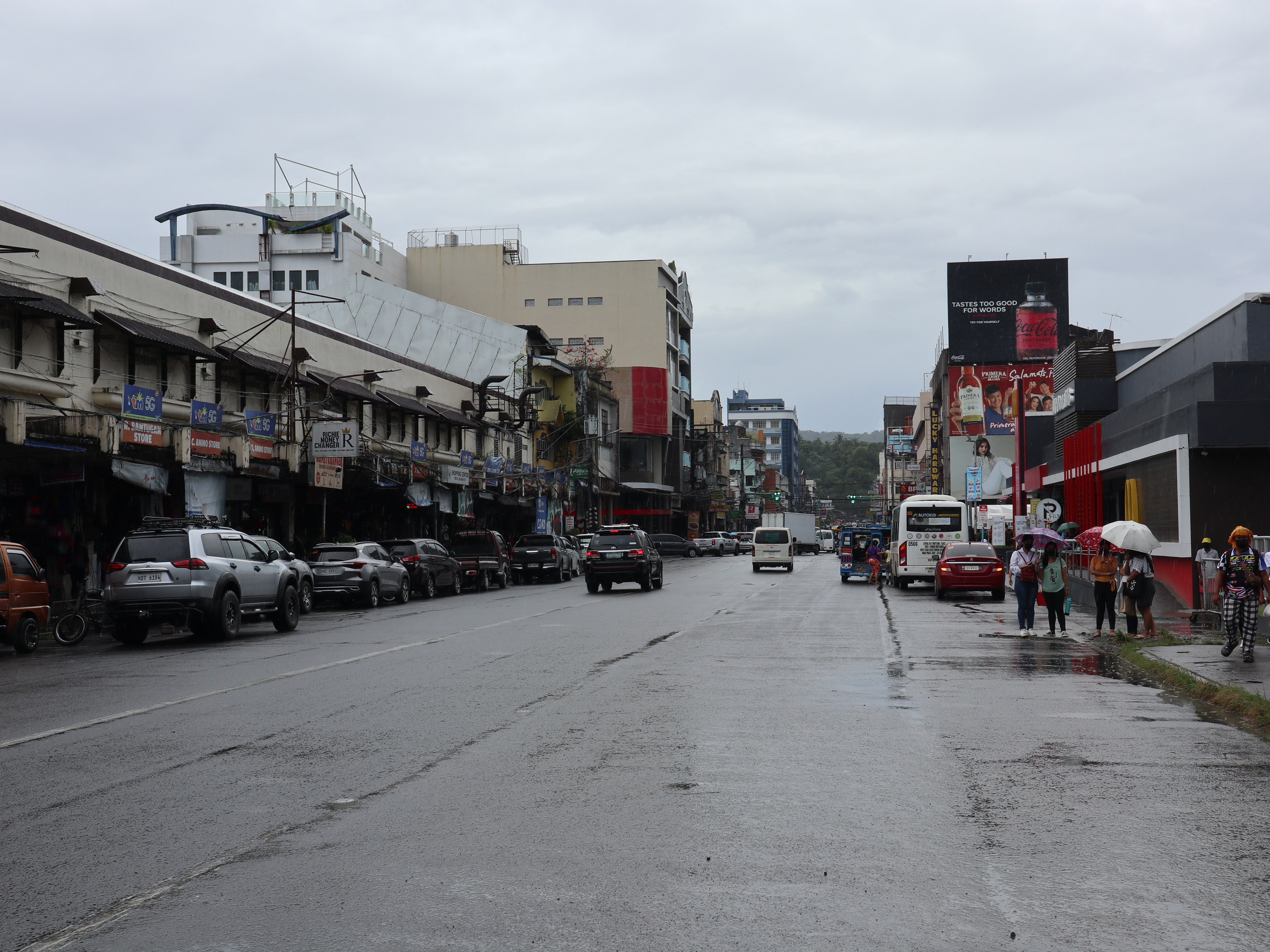
Tacloban, Philippines
Data updated Sep 3, 2026
📊 Scores
Best fit: FIRE / Geoarbitrage (score: 75)
Trade and commerce drive the local economy, with the port handling cargo for the entire Eastern Visayas region. Government jobs dominate white-collar employment since this is the regional capital, while fishing, retail, and small-scale manufacturing provide most other work. Tourism is growing but remains modest — you're not competing with hordes of digital nomads for coworking spaces. The 2010 competitiveness ranking feels dated; economic growth has been steady but unspectacular, focused on rebuilding after Typhoon Haiyan rather than innovation.
Rent averages $340/month for a decent one-bedroom in the center, with basic utilities adding another $50-80. Public transport relies on jeepneys and tricycles — functional but not comfortable for daily commuting. Healthcare is adequate for routine needs, with Tacloban Doctor's Hospital being the main private option, though serious cases often require Manila. English is widely spoken, making daily life manageable. Government bureaucracy moves at typical Philippine pace, meaning patience is essential for permits and paperwork.
The tropical climate means year-round heat and humidity, with typhoon season bringing genuine risk from June to December. Local food centers on fresh seafood and regional specialties, though international dining options are limited. The expat community is tiny — mostly aid workers, missionaries, and a few retirees. Weekends involve island hopping, visiting historical sites, or attending the frequent religious festivals. This city suits people seeking affordable Philippine living away from tourist crowds, but only if you can handle isolation and weather risks.
🏚️ Cost of Living
💰 Budgets and Costs
Grocery Basket
Eating Out
Utilities & Lifestyle
Housing
A 1BR in the center runs about $226.57/mo. If your income is in another currency, bank FX fees add up. A multi-currency account can cut that cost.
See low-fee transfersWe may earn a commission at no cost to you.
💰 Real Spend Reports
🛡️ Safety & Crime
(Higher is safer)
(Lower is safer)
Tacloban feels moderately safe for expats during daylight hours, with a relaxed provincial atmosphere and friendly locals. Night walking is generally acceptable in central areas, though caution is warranted in unfamiliar neighborhoods. The city's safety reputation is better than many Philippine urban centers, partly due to its smaller size and tight-knit community feel, though petty crime remains a baseline concern.
Petty theft, bag snatching, and pickpocketing are the primary risks, especially in markets and crowded areas. Avoid displaying expensive jewelry, cameras, or large cash amounts. Scams targeting foreigners exist but are less aggressive than in Manila. Solo female travelers should exercise standard precautions; harassment is uncommon but possible in late-night venues. Certain outlying barangays have higher crime rates and should be avoided after dark.
Tacloban has experienced political tensions and occasional protests, though violence is rare and typically localized. Police presence is adequate but corruption exists; avoid confrontations and keep documentation handy. The city recovered significantly from Typhoon Haiyan (2013), and infrastructure is stable. For American retirees or remote workers, Tacloban presents a reasonable safety profile—lower crime than major metros, manageable risks with standard precautions, and a welcoming expat community. It's a viable option for those seeking provincial Philippines living without extreme isolation.
Tacloban has a safety index of 58/100. Petty theft and lost belongings are the most common problems for newcomers. Compare travel insurance before you go.
Compare travel insuranceWe may earn a commission at no cost to you.
🏥 Healthcare
🌤️ Climate
Best Months
Climate Notes
Tacloban has a tropical climate with hot, humid conditions year-round, a dry season from November to April, and a wet monsoon season from May to October with typhoon risk.
💻 Digital Nomad
Community Notes
| Name | Price/mo | Notes |
|---|---|---|
| Workplace Cafe | $60 | A popular cafe and coworking spot in Marasbaras, known for its reliable internet, comfortable seating, and extended hours. It's a good option for digital nomads looking for a casual and social work environment. |
| iOffice Hub | $75 | Located in Downtown Tacloban, iOffice Hub offers a more traditional coworking setup with dedicated desks and private offices. It's a good choice for those needing a professional and quiet workspace with meeting room access. |
Planning to live in Tacloban long-term? Philippines SEZ Remote Work Visa (PEZA Zone) lets remote workers live legally.
View full requirements →Working remotely from Tacloban? Nomad health insurance covers you across borders, month to month.
See nomad insuranceWe may earn a commission at no cost to you.
🧳 Expat Life
Expat Life Notes
The heart of the Leyte region. Resilient after Typhoon Haiyan but still recovering infrastructure.
Pros
- ✓ Friendly locals
- ✓ Native English
Cons
- ✗ Infrastructure gaps
- ✗ Isolated
🛂 Visa Options for Philippines
Many long-stay visas require proof of health insurance. Compare international health plans before you apply.
Compare health insuranceWe may earn a commission at no cost to you.
Living on investment or passive income? Philippines SRRV Retirement Visa may be the right fit — minimum $1,500/month required.
View full requirements →Earning over $1,500/mo? You may qualify for a Philippines visa.
Answer 10 questions and get a personalized match in under 2 minutes.
Could living/working in Tacloban cut years off your work life?
With a 1-bedroom in the center at $181/mo, your FIRE number here might be much lower than you think.
Moving to Tacloban? Estimate what an international move would cost and compare mover quotes.
Estimate my move costShare This Guide
Tacloban won't stay this cheap forever.
Cost-of-living and visa updates for Tacloban and the rest of Philippines. Free with RA Postcards.
By submitting your email address, you will receive a free subscription to RA Postcards and special offers from Rewire Abroad and our affiliates. You can unsubscribe at any time, and we encourage you to read more about our Privacy Policy.