Agriculture dominates the economic landscape here, with coconut, lanzones, and rambutan farming employing much of the workforce. The volcanic soil and cool mountain climate create ideal growing conditions, but this also means limited white-collar opportunities beyond local government and small businesses. Most expats working remotely find decent internet in the city center, though don't expect the tech infrastructure of Manila. Local salaries average $200-400 monthly, creating a significant income gap that makes this more suitable for retirees or digital nomads than job seekers.
One-bedroom apartments in the city center run around $220 monthly, with basic utilities adding another $50-80. Public transport relies on jeepneys and tricycles costing $0.20-0.50 per ride, though having a motorbike ($80-120 monthly) dramatically improves mobility. Healthcare centers provide basic services, but serious medical issues require trips to Manila or Batangas. Tagalog dominance means English gets you by in tourist areas but daily bureaucracy becomes frustrating without local language skills or a Filipino partner to navigate paperwork.
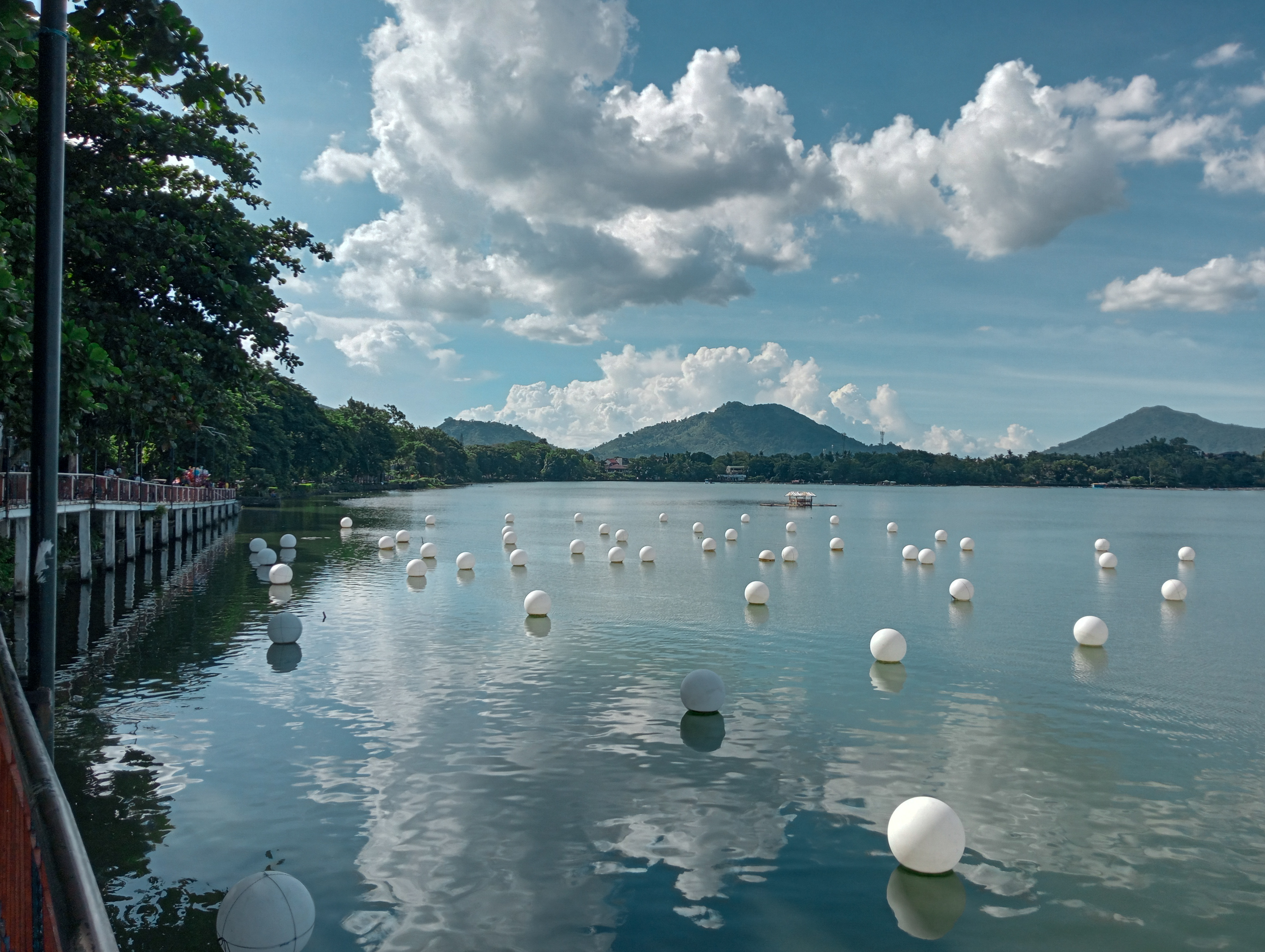
The mountain location delivers genuinely cooler temperatures year-round, a relief from typical Philippine heat, with the seven crater lakes providing weekend hiking and swimming spots. Local food centers around fresh produce and lake fish, though international cuisine options remain limited. The expat community numbers maybe 50-100 foreigners, mostly retirees drawn by low costs and the peaceful pace. San Pablo suits budget-conscious retirees seeking rural tranquility over urban conveniences, particularly those comfortable with agricultural town limitations.
Estimate the cost of moving to San Pablo, Philippines
Get a free moving cost estimate for moving to San Pablo, Philippines. Takes 10 seconds.
How much are you shipping?
When are you moving?
Powered by Sirelo. Free quotes from international movers.
🏚️ Cost of Living
💰 Budgets and Costs
$363/mo, one person, rent included
Selected: budget lifestyle
San Pablo at the budget tier comes to about $363 a month for one adult, with $128 of that going to rent. Beyond rent the estimate covers $71.00 on groceries, $11.00 on dining out, $18.00 on entertainment and lifestyle and $135 on utilities and connectivity.
Rent
$128/mo
1BR outside the centre
Groceries
$71.00/mo
75% of mid-range grocery spend
Dining out
$11.00/mo
4 inexpensive meals
Entertainment & lifestyle
$18.00/mo
1 cinema trip, 8 cappuccinos
Utilities & connectivity
$135/mo
utilities, mobile, internet
Budgets (excl. rent)
Single person$235/mo
Excludes rent. The total above is all-in, rent included.
$414/mo, one person, rent included
Selected: mid-range lifestyle
San Pablo at the mid-range tier comes to about $414 a month for one adult, with $128 of that going to rent. Beyond rent the estimate covers $95.00 on groceries, $27.00 on dining out, $29.00 on entertainment and lifestyle and $135 on utilities and connectivity.
Rent
$128/mo
1BR outside the centre
Groceries
$95.00/mo
Staples basket scaled to a full month
Dining out
$27.00/mo
10 inexpensive meals
Entertainment & lifestyle
$29.00/mo
2 cinema trips, 12 cappuccinos
Utilities & connectivity
$135/mo
utilities, mobile, internet
Budgets (excl. rent)
Single person$286/mo
Excludes rent. The total above is all-in, rent included.
$550/mo, one person, rent included
Selected: comfortable lifestyle
San Pablo at the comfortable tier comes to about $550 a month for one adult, with $143 of that going to rent. Beyond rent the estimate covers $133 on groceries, $87.00 on dining out, $52.00 on entertainment and lifestyle and $135 on utilities and connectivity.
Rent
$143/mo
1BR in the centre
Groceries
$133/mo
140% of mid-range grocery spend
Dining out
$87.00/mo
6 inexpensive meals + 6 mid-range meals
Entertainment & lifestyle
$52.00/mo
4 cinema trips, 20 cappuccinos
Utilities & connectivity
$135/mo
utilities, mobile, internet
Budgets (excl. rent)
Single person$407/mo
Excludes rent. The total above is all-in, rent included.
Estimates for one adult, built from this city's average prices and the usage shown for each tier. Your spending will differ with how often you eat out and where you live.
A 1BR in the center runs about $143.46/mo. If your income is in another currency, bank FX fees add up. A multi-currency account can cut that cost.
San Pablo feels moderately safe for expats during daylight hours, with reasonable walkability in commercial and residential zones. Nighttime solo walking is not recommended, particularly in unfamiliar areas. The city has a lived-in, working-class character rather than a polished tourist feel, which generally means fewer organized scams targeting foreigners. Most expats report feeling secure in their daily routines with normal precautions.
Petty theft and pickpocketing occur, especially in crowded markets, jeepney terminals, and public transport—keep valuables concealed and bags secured. Home burglaries and motorcycle theft are concerns; secure housing with gates and grilles is standard. Violent crime is relatively low compared to Metro Manila, but avoid displaying wealth, walking alone late at night, or traveling to remote barangays after dark. Solo female travelers should use registered taxis or ride-sharing apps rather than hailing cabs on the street.
San Pablo is a provincial city with lower political volatility than Manila, though Philippines-wide concerns about police corruption and extrajudicial incidents persist. Local governance is generally functional. The city is not a hotspot for protests or civil unrest. For an American considering relocation, San Pablo offers a quieter, more affordable alternative to major metros with manageable safety risks if you follow standard expat protocols: secure housing, awareness of surroundings, and avoiding displays of wealth. It's suitable for those seeking a slower pace without extreme safety compromises.
San Pablo has a safety index of 40.59/100. Petty theft and lost belongings are the most common problems for newcomers. Compare travel insurance before you go.
See how San Pablo's healthcare compares with Alabang
🌤️ Climate
Summer Temp
32°C
Winter Temp
26°C
Humidity
78%
Air Quality Index
68
Annual Rainfall
1895 mm
Best Months
MarAprMay
Climate Notes
San Pablo has a tropical climate with hot, humid conditions year-round, a pronounced dry season from November to April, and a wet monsoon season from May to October bringing heavy rainfall.
💻 Digital Nomad
Avg Internet Speed
35 Mbps
Internet (monthly)
$29/mo
Coworking Availability
None
Coworking Spaces Nearby
1
Digital Nomad Score
53/100
Community Notes
San Pablo is surrounded by natural beauty but lacks digital nomad amenities.
While not directly in San Pablo, Acceler8 has locations in nearby Makati and Ortigas Center (metro Manila). It's a well-established brand with reliable internet, professional facilities, and a strong community, making it a good option if you're willing to commute or take day trips.
Similar to Acceler8, Clock In is a popular coworking space with branches in Metro Manila. While not in San Pablo itself, it offers a consistent and professional coworking experience with good amenities and networking opportunities, accessible for occasional trips.
Another option located in nearby Metro Manila, The Office Hub provides flexible workspace solutions. It's a viable choice for those who need a reliable coworking space for part of their time, with various locations and service options.
See how San Pablo's digital nomad life compares with Alabang
🧳 Expat Life
English Proficiency
Limited
Expat Community
Small
Top Neighborhoods
City Center
Banks Nearby
43
ATMs Nearby
42
Expat Life Notes
A quiet getaway city near Manila known for its lakes; foreigners are mostly retirees.
Pros
✓ Lake scenery
✓ Cooler air than Manila
✓ Affordable
Cons
✗ Basic services only
✗ Limited social scene
✗ Traffic
🏘️ Neighborhoods in San Pablo
Areas of San Pablo that expats often consider.
Conditions can change from one block to the next, and these descriptions are general guides, not safety assessments. Before choosing where to stay or live, check current travel advisories, talk to people who live there, and visit in person if you can.
Barangay I-A
Central, bustling, commercial district
The heart of San Pablo, offering easy access to markets, shops, and transportation. While convenient, it can be noisy and crowded. Suitable for expats who want to be in the middle of everything and don't mind the hustle.
Barangay San Roque
Residential, quiet, family-oriented
A more laid-back residential area, ideal for retirees or those seeking a quieter environment. Public transportation is available, but owning a vehicle is recommended for convenience. Limited English is spoken, so learning Tagalog is beneficial.
Barangay VII-B
Developing, suburban, affordable living
A developing area on the outskirts of the city, offering more affordable housing options. It's less walkable than the city center, and amenities are still developing. Best for budget-conscious expats who don't mind being further from the action.
Barangay Concepcion
Agricultural, rural, peaceful retreat
Located further from the city center, Concepcion offers a rural setting with agricultural lands. It's very quiet and peaceful, but requires a vehicle for transportation. This area is ideal for expats seeking a truly immersive experience and a slower pace of life.
Barangay Santa Isabel
Residential, accessible, growing community
A growing residential area with good access to the city center and nearby amenities. It offers a mix of housing options and is becoming increasingly popular. Some English is spoken, making it relatively easier for expats to adjust.
Barangay San Jose
Commercial, lively, near lake Sampaloc
Close to Lake Sampaloc, this barangay offers a mix of residential and commercial establishments. It's a lively area with restaurants and shops, and the proximity to the lake is a major draw. Expect higher rental prices due to the location.
Page 1 of 2
Could living/working in San Pablo cut years off your work life?
With a 1-bedroom in the center at $143/mo, your FIRE number here might be much lower than you think.
At the mid-range tier, one adult needs about $414 a month in San Pablo, rent included, with $128 of that going to rent. That leaves roughly $286 for everything except housing.
In San Pablo, a one-bedroom runs $143 in the center and $128 outside it and three bedrooms come to $207 in the center and $191 outside it, per month.
Average monthly net salary in San Pablo is $287. That is 69% of the $414 mid-range monthly budget.
San Pablo scores 40.59 on the safety index (higher is safer) and a crime index of 59.41 (lower is safer).
Average internet speed in San Pablo is 35 Mbps. A home connection costs about $29/mo.
In San Pablo, summer averages 32°C, winter averages 26°C and annual rainfall is 1895 mm.
Budget $600-900 monthly including $220 rent, $50-80 utilities, $150-200 food, and transportation. Healthcare and entertainment costs are minimal, making this one of the Philippines' most affordable expat destinations.
Generally safe with a 55 safety index, typical for smaller Philippine cities. Petty theft occurs but violent crime against foreigners is rare. The main risks are traffic accidents on mountain roads and occasional flooding during typhoon season.
City center areas get 25-50 Mbps through PLDT and Globe, sufficient for video calls and basic remote work. Rural barangays have slower connections. Power outages during storms can disrupt work, so backup power solutions are recommended.
For budget-conscious expats, consider neighborhoods like Barangay San Roque or Barangay Concepcion. Rent is significantly lower here compared to more central areas, and you'll still find basic amenities and access to transportation. Expect to pay around PHP 8,000-15,000 per month for a decent apartment.
San Pablo has a tropical monsoon climate, meaning it's hot and humid year-round with distinct wet and dry seasons. The wet season runs from June to November, bringing heavy rainfall and occasional typhoons. The dry season, from December to May, is generally sunny and more pleasant, with temperatures averaging around 80-90°F (27-32°C).
Getting around San Pablo is primarily done via jeepneys and tricycles. Jeepneys are the most common and affordable option for longer distances, while tricycles are ideal for short trips within neighborhoods. Buses also connect San Pablo to nearby cities like Manila and Lucena.
While San Pablo has several hospitals and clinics, the quality of healthcare may not be on par with Western standards. Some doctors have a good command of English, particularly those who trained abroad. For serious medical conditions, many expats travel to Manila for specialized care.
The most common visa options for retirees are the Special Resident Retiree's Visa (SRRV) and tourist visas. The SRRV requires a deposit with a Philippine bank, while tourist visas need to be renewed regularly. Consult with an immigration lawyer to determine the best option for your circumstances.
San Pablo doesn't have a large, organized expat community like you might find in Manila or Cebu. However, there are smaller groups of foreigners scattered throughout the city. Connecting with other expats might require some effort, but online forums and local social events can help.
As a US citizen, you're still required to file US taxes even when living abroad. The Foreign Earned Income Exclusion (FEIE) can help you exclude a certain amount of your income from US taxes, and the Foreign Bank Account Report (FBAR) is required if you have foreign bank accounts exceeding $10,000 in total. Consult a tax professional specializing in expat taxes.
Popular options for transferring money include Wise (formerly TransferWise), Remitly, and Xoom. ATM fees vary depending on the bank, but typically range from PHP 200-250 per transaction. Consider opening a local bank account to minimize fees.
Rental costs in San Pablo are relatively low compared to Western countries. You can find a basic apartment for around PHP 8,000-15,000 per month, while a larger house might cost PHP 20,000-35,000 or more, depending on the location and amenities.
While Tagalog is the primary language, many Filipinos in San Pablo have some level of English proficiency, especially in commercial areas. You can generally get by with English, but learning some basic Tagalog phrases will greatly enhance your experience and interactions with locals.
Filipinos are generally very hospitable and welcoming, but it's important to be aware of cultural norms such as 'pakikisama' (getting along) and 'hiya' (sense of shame). Public displays of anger or criticism are generally frowned upon. Patience is also key, as things often move at a slower pace.
Yes, San Pablo can be a viable option for early retirement on a $2,000 USD monthly budget, especially if you embrace a local lifestyle. You can comfortably cover rent, food, transportation, and basic healthcare expenses. However, unexpected costs can arise, so it's wise to have a financial buffer.
Coworking spaces are limited in San Pablo. Some cafes offer decent internet, but it's best to confirm speed and reliability beforehand. Consider purchasing a pocket WiFi device for a more consistent connection, especially if you rely on stable internet for work.
Popular local dishes include adobo, sinigang, and pancit. Eating out at local eateries (carinderias) is very affordable, with meals costing around PHP 50-150. Restaurants offer a wider range of options, with prices ranging from PHP 200-500 per dish.
Cost-of-living and visa updates for San Pablo and the rest of Philippines. Free with RA Postcards.
By submitting your email address, you will receive a free subscription to RA Postcards and special offers from Rewire Abroad and our affiliates. You can unsubscribe at any time, and we encourage you to read more about our Privacy Policy.