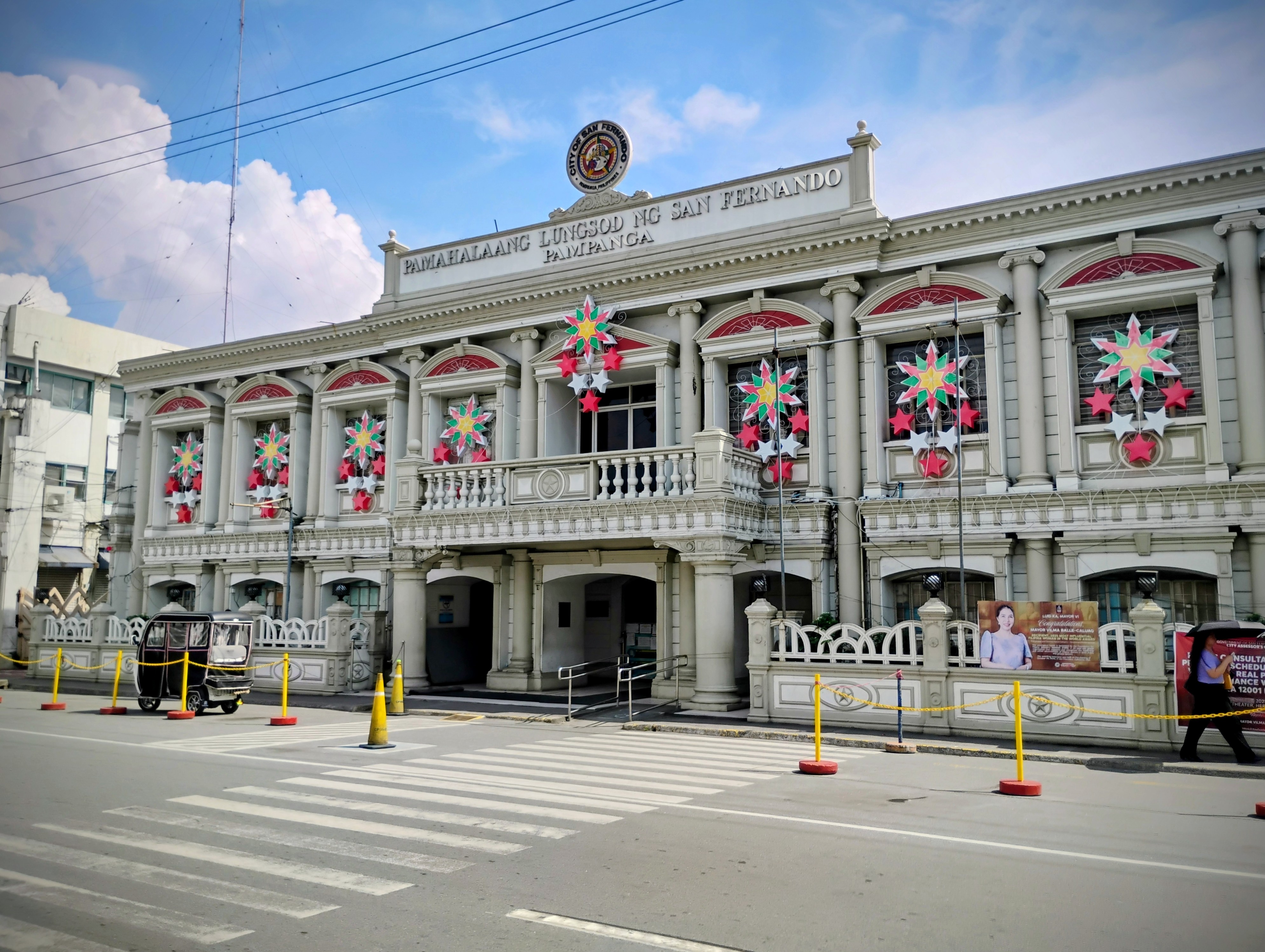
Manufacturing drives the local economy, with industrial parks hosting electronics, automotive parts, and food processing companies that export throughout Southeast Asia. Major employers include Nestlé, San Miguel Corporation, and various Japanese manufacturers who've set up operations here. The service sector thrives around the annual Giant Lantern Festival, creating seasonal work for artisans, hospitality staff, and tour guides. White-collar jobs exist in banking, retail management, and local government, though salaries rarely exceed $800-1,200 monthly for mid-level positions.
Rent averages $350 monthly for a decent 1BR in the city center, dropping to $200-250 in outer areas. Jeepneys cost $0.20 per ride while tricycles run $1-2 for short distances, though traffic congestion is brutal during rush hours. Public healthcare through PhilHealth covers basics, but expats typically need private insurance for quality care at Medical City Clark or similar facilities. Bureaucracy moves at typical Philippine pace — expect 2-3 weeks for basic permits and bring multiple photocopies of everything.
The tropical climate means 35°C heat from March to May, then heavy rains June through October that can flood low-lying areas. Food scene centers on Kapampangan cuisine — sisig, tocino, and exceptional street food that locals take seriously. The expat community is tiny compared to Manila or Cebu, mostly retirees and a few business owners who appreciate being 90 minutes from Manila without the chaos. This works for people wanting authentic Philippine life with decent infrastructure but minimal foreign bubble.
Estimate the cost of moving to San Fernando, Philippines
Get a free moving cost estimate for moving to San Fernando, Philippines. Takes 10 seconds.
How much are you shipping?
When are you moving?
Powered by Sirelo. Free quotes from international movers.
🏚️ Cost of Living
💰 Budgets and Costs
A category breakdown is not available for San Fernando yet. We publish a breakdown only when every category can be priced from local data, rather than showing figures we cannot stand behind.
San Fernando feels moderately safe for expats during daylight hours, with reasonable walkability in commercial and residential zones. Nighttime solo walking is not recommended; locals and expats typically use tricycles or ride-sharing apps after dark. The city has a provincial feel compared to Manila, which generally translates to lower violent crime, though petty theft remains a concern in crowded areas.
Petty theft, pickpocketing, and bag-snatching are the primary risks, especially in markets, jeepney stations, and crowded public spaces. Scams targeting foreigners—overcharging, fake tours, ATM skimming—occur regularly. Solo female travelers should avoid isolated areas at night and exercise caution in entertainment districts. Home burglary is a known issue; secure accommodations with good locks and consider a security system.
The Philippines has moderate political stability, though corruption in local police is documented. Police response times can be slow, and expat-related complaints sometimes receive lower priority. San Fernando is not a hotspot for major protests or civil unrest. For Americans considering relocation, the city is reasonably safe for long-term living if you follow standard expat precautions: stay aware, use trusted transportation, secure your home, and avoid displaying wealth. It's safer than Manila but requires vigilance.
San Fernando has a safety index of 57/100. Petty theft and lost belongings are the most common problems for newcomers. Compare travel insurance before you go.
San Fernando has a tropical climate with hot, humid conditions year-round, a pronounced dry season from November to April, and a wet monsoon season from May to October with frequent typhoons.
💻 Digital Nomad
Avg Internet Speed
30 Mbps
Coworking Availability
None
Coworking Spaces Nearby
0
Digital Nomad Score
54/100
Community Notes
San Fernando is known for its cultural festivals but offers few resources for nomads.
A popular independent coworking space in San Fernando, Pampanga, offering a relaxed and collaborative atmosphere. It's known for its strong internet connection, comfortable workstations, and community events, making it ideal for digital nomads seeking a local vibe.
Located in the heart of the business district, Workhub by VXI provides a professional environment with modern amenities. It's a good option for those who prefer a more corporate setting with reliable facilities and easy access to transportation.
While technically in Clark Freeport Zone (close to San Fernando), Regus offers a reliable and globally recognized coworking experience. It provides a professional environment with various office solutions, suitable for those who need a prestigious business address and access to a wider network.
A major hub in Central Luzon near Clark, offering a mix of suburban life and commercial convenience.
Pros
✓ High English proficiency
✓ Proximity to Clark International Airport
✓ Lower cost than Manila
Cons
✗ Traffic congestion
✗ Tropical heat and humidity
✗ Limited high-end walking areas
🏘️ Neighborhoods in San Fernando
Areas of San Fernando that expats often consider.
Conditions can change from one block to the next, and these descriptions are general guides, not safety assessments. Before choosing where to stay or live, check current travel advisories, talk to people who live there, and visit in person if you can.
Barangay Dolores
Commercial hub, convenient, accessible
Dolores is a bustling commercial area with easy access to shopping malls, restaurants, and transportation. It's popular with locals and expats alike due to its convenience. However, it can be noisy and congested, especially during peak hours.
Barangay San Agustin
Residential, quiet, family-friendly
San Agustin is a more residential area, offering a quieter environment compared to Dolores. It's a good option for retirees or those seeking a more peaceful lifestyle. Public transportation is available, but owning a car or motorcycle is recommended for greater mobility.
Barangay Santo Rosario
Historic center, cultural heart
Santo Rosario is the historical and cultural center of San Fernando, home to the Metropolitan Cathedral. While not specifically geared towards expats, it offers a glimpse into local life and traditions. Rent can be more affordable here, but English proficiency may be lower.
Greenfields Subdivision
Upscale, secure, suburban living
Greenfields is a gated subdivision offering a more upscale and secure living environment. It's popular with families and those seeking a higher standard of living. Rent is higher compared to other areas, but it offers amenities like swimming pools and clubhouses.
Sindalan
Developing, affordable, local vibe
Sindalan is a rapidly developing area with more affordable housing options. It's less expat-centric, offering a more authentic local experience. Transportation options are improving, but it's still less convenient than more central areas.
Barangay Del Pilar
Mixed residential, commercial, accessible
Del Pilar offers a mix of residential and commercial establishments, providing a balance of convenience and affordability. It's relatively accessible and has a decent selection of restaurants and shops. It's a good middle-ground option for expats.
Page 1 of 2
Could living/working in San Fernando cut years off your work life?
With a 1-bedroom in the center at $159/mo, your FIRE number here might be much lower than you think.
San Fernando has a population of approximately 377,534 people.
A single person can expect to spend around $399 per month in San Fernando, including rent. A 1-bedroom apartment in the city center costs approximately $159/month.
The nearest airport to San Fernando is CRK, approximately 17.7km away.
San Fernando is considered moderate in terms of safety, with a safety index of 57.0. As with any city abroad, expats should research specific neighborhoods before committing to a location.
San Fernando has an average internet speed of 30 Mbps. It is not yet considered a well-established digital nomad destination.
Limited opportunities exist mainly in manufacturing management, English teaching, or starting your own business. Most foreign workers commute to Clark Freeport Zone nearby. Work permits require local sponsorship and significant paperwork.
Jeepneys and tricycles cover most routes for $0.20-2 per trip, but traffic is heavy and routes can be confusing initially. Grab operates here but with limited drivers. Many expats eventually buy a motorcycle or car for convenience.
San Fernando has a tropical monsoon climate, meaning it's hot and humid year-round with distinct wet and dry seasons. Expect high humidity and temperatures, so pack light, breathable clothing. The rainy season is generally from June to November, so bring rain gear if you're visiting then.
While not as large as expat communities in Manila or Cebu, San Fernando has a growing number of expats, primarily retirees and digital nomads. You'll find a mix of nationalities, and there are informal groups and meetups that can help you connect with others.
San Fernando is generally considered safe for expats, but petty crime like pickpocketing can occur, especially in crowded areas. It's always wise to be aware of your surroundings and take precautions. Some areas, particularly late at night, might be best avoided alone.
For budget-conscious expats, areas like Biday and Sevilla offer more affordable housing options. These neighborhoods are a bit further from the city center but still accessible and offer a more local feel. You can find apartments or houses for rent at reasonable prices.
Internet speed in San Fernando is generally reliable, with fiber optic connections available in many areas. You can expect speeds sufficient for video conferencing and other remote work tasks. However, it's always a good idea to check the internet speed at your specific location before committing to a long-term rental.
US citizens can enter the Philippines visa-free for 30 days. For longer stays, you can apply for a tourist visa extension or explore options like the Special Resident Retiree's Visa (SRRV), which requires a deposit with a Philippine bank. Consult with an immigration lawyer for the most up-to-date information and requirements.
San Fernando has several hospitals and clinics, including some with modern facilities. While the quality of healthcare may not be on par with the US, it's generally adequate for most needs. Many doctors speak English, especially those trained in larger cities.
Opening a bank account in San Fernando as a foreigner can be challenging but is possible. You'll typically need a valid visa, passport, and proof of address. Some banks may require additional documentation, so it's best to check with the specific bank beforehand.
As a US citizen, you're required to file US taxes even when living abroad. You may be able to exclude a certain amount of your foreign earned income using the Foreign Earned Income Exclusion (FEIE). You may also need to report foreign bank accounts if they exceed a certain threshold (FBAR). Consult with a tax professional specializing in expat taxes.
San Fernando offers a significantly lower cost of living compared to the US, allowing you to stretch your pension or Social Security income further. Rent, food, and transportation are all generally more affordable. Careful budgeting and lifestyle adjustments can make a big difference.
The local language is Kapampangan, but Filipino (Tagalog) is also widely spoken. English is also commonly used, especially in business and tourism. While you can get by with English, learning some basic Kapampangan or Filipino phrases will enhance your experience and interactions with locals.
San Fernando is known for its delicious Kapampangan cuisine, which is rich and flavorful. Eating out is very affordable, with meals at local restaurants costing just a few dollars. Be sure to try local specialties like sisig and kare-kare.
Yes, San Fernando is a viable option for early retirement on a budget of $2000 USD per month, especially if you're willing to live like a local. You can comfortably cover rent, food, transportation, and other expenses on that budget. However, it's important to factor in healthcare costs and any unexpected expenses.
Cost-of-living and visa updates for San Fernando and the rest of Philippines. Free with RA Postcards.
By submitting your email address, you will receive a free subscription to RA Postcards and special offers from Rewire Abroad and our affiliates. You can unsubscribe at any time, and we encourage you to read more about our Privacy Policy.