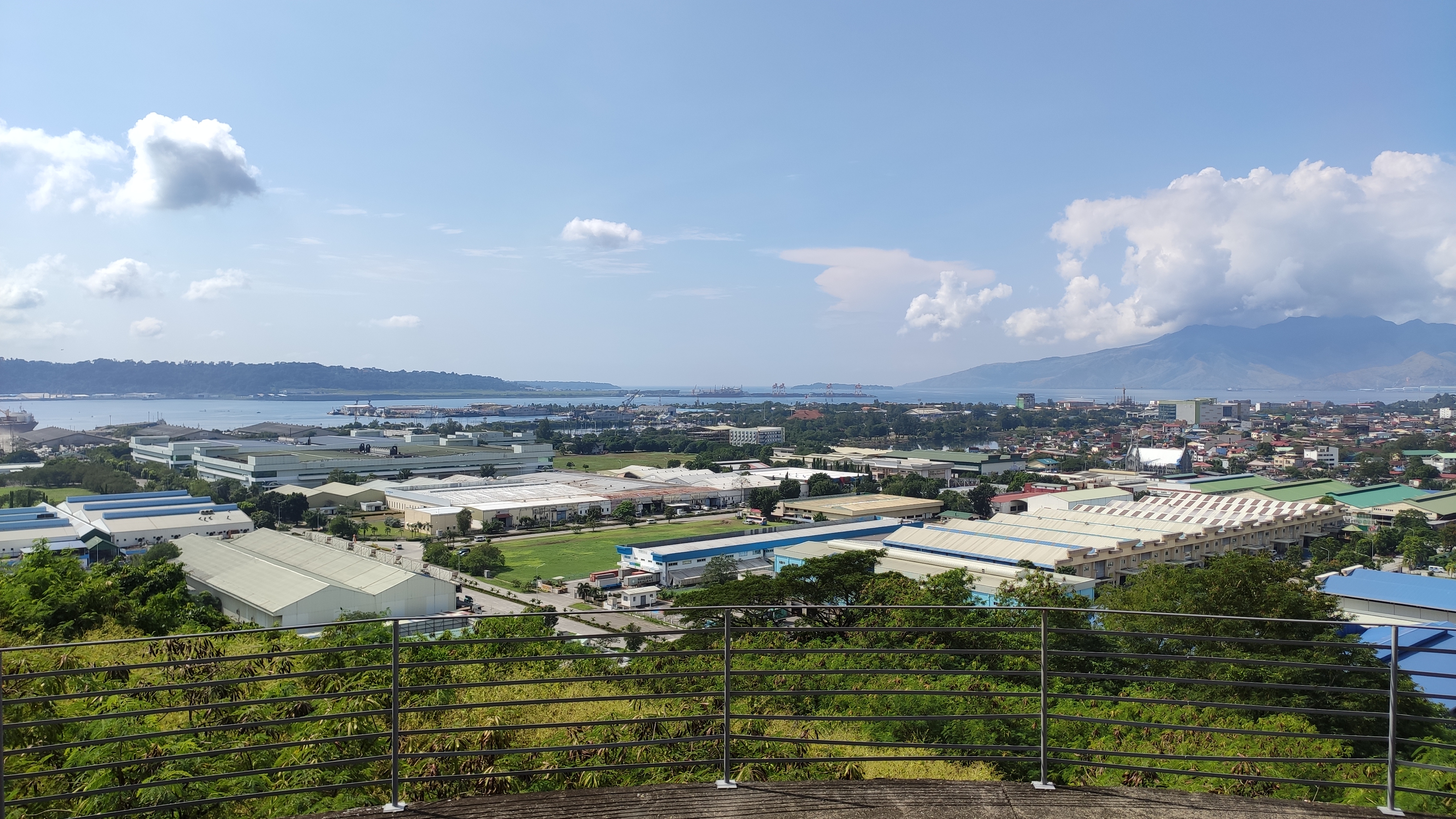
Manufacturing drives the economy here, with the Subic Special Economic and Freeport Zone hosting everything from electronics assembly to logistics operations. Major employers include Samsung, Hanjin Heavy Industries, and various BPO companies that relocated from Manila for lower costs. The job market favors skilled workers in manufacturing, IT support, and port operations, though English proficiency opens doors in the growing tourism sector. Salaries run 20-30% below Manila levels, but so does everything else.
Rent averages $450/month for a decent one-bedroom in the city center, dropping to $300 outside. Public transport relies on jeepneys and tricycles costing $0.20-0.50 per ride, though most expats end up buying motorcycles or cars. Healthcare is adequate with Olongapo General Hospital, but serious cases often require trips to Manila. English works fine for daily life given the American naval history, though Tagalog helps with bureaucracy that moves at typical Philippine government speed.
The tropical climate means 80-90°F year-round with brutal humidity and typhoon season from June to November. Food scene mixes Filipino staples with international options catering to the diverse freeport crowd, plus decent seafood from Subic Bay. Weekends mean beach trips, water sports, or exploring the nearby mountains. The expat community is small but established, mostly retirees and business owners who appreciate the lower costs without Manila's chaos. This works best for people who want Philippine living with better infrastructure and job opportunities than most provincial cities.
Estimate the cost of moving to Olongapo, Philippines
Get a free moving cost estimate for moving to Olongapo, Philippines. Takes 10 seconds.
How much are you shipping?
When are you moving?
Powered by Sirelo. Free quotes from international movers.
🏚️ Cost of Living
💰 Budgets and Costs
A category breakdown is not available for Olongapo yet. We publish a breakdown only when every category can be priced from local data, rather than showing figures we cannot stand behind.
Olongapo has a mixed reputation but is generally safer than its crime statistics suggest for expats who exercise basic caution. Day-to-day life feels relatively normal; many expats live here comfortably. Night walks in well-lit, populated areas are acceptable, though solo wandering after dark in unfamiliar neighborhoods isn't advisable. The city's port heritage and transient population create pockets of risk, but residential expat areas tend to be stable and monitored.
Petty theft and pickpocketing occur, especially in markets, jeepney terminals, and crowded areas—keep valuables secured. Scams targeting foreigners include overcharging, fake tour operators, and online romance schemes. Violent crime is uncommon against expats but does happen; avoid displaying wealth, late-night bars in port districts, and isolated areas. Solo female travelers should use standard precautions: trusted transportation, avoiding solo nightlife in certain zones, and staying aware in crowded spaces.
The Philippines has moderate corruption and police reliability varies; bribery requests from traffic stops happen occasionally. Olongapo itself is politically stable with no active insurgency threat, though national political tensions occasionally surface. The city's economy depends partly on tourism and military presence, which provides some order. For Americans considering relocation, Olongapo is livable but requires street smarts—it's safer than Manila but less predictable than Cebu or Davao. Choose your neighborhood carefully and integrate with the expat community for reliable local knowledge.
Olongapo has a safety index of 55.99/100. Petty theft and lost belongings are the most common problems for newcomers. Compare travel insurance before you go.
See how Olongapo's healthcare compares with Santa Ana
🌤️ Climate
Summer Temp
32°C
Winter Temp
26°C
Humidity
78%
Air Quality Index
68
Pollution Index (lower is better)
63.28
Climate Index (higher is better)
70.07
Annual Rainfall
2522 mm
Best Months
MarAprMay
Climate Notes
Olongapo has a tropical climate with hot, humid conditions year-round, a pronounced dry season from November to April, and a wet monsoon season from May to October with frequent typhoons.
Commute & Property
Commute Time Index
50
Indices last read Nov 13, 2026.
💻 Digital Nomad
Avg Internet Speed
30 Mbps
Internet (monthly)
$29/mo
Coworking Availability
Moderate
Coworking Spaces Nearby
0
Digital Nomad Score
59/100
Community Notes
Coastal city with growing interest among nomads due to its emerging coworking spaces.
A popular local coworking spot in Olongapo City, Workhub offers a friendly atmosphere and essential amenities like reliable internet and printing services. It's a good option for those seeking a budget-friendly and community-focused workspace.
Located in the Subic Bay Freeport Zone, this Regus center provides a professional and well-equipped workspace with various membership options. Its proximity to business establishments and amenities makes it a convenient choice for expats.
The Sandbox CoWorking Space offers a relaxed and creative environment, perfect for digital nomads and freelancers. Located centrally, it provides a convenient and affordable workspace with good internet and a collaborative atmosphere.
See how Olongapo's digital nomad life compares with Santa Ana
🧳 Expat Life
English Proficiency
Limited
Expat Community
Medium
Top Neighborhoods
Barretto, Gordon Heights
Banks Nearby
30
ATMs Nearby
4
Expat Life Notes
Adjacent to the former US Naval Base, Olongapo has a large community of American veterans and retirees.
Pros
✓ Native English prevalence
✓ Strong veteran social scene
✓ Beachfront social hubs
Cons
✗ Can feel like a gritty navy town
✗ Noise pollution in nightlife areas
✗ Variable infrastructure
🏘️ Neighborhoods in Olongapo
Areas of Olongapo that expats often consider.
Conditions can change from one block to the next, and these descriptions are general guides, not safety assessments. Before choosing where to stay or live, check current travel advisories, talk to people who live there, and visit in person if you can.
Barrio Barretto
Lively beachfront entertainment district
Barrio Barretto is known for its vibrant nightlife, restaurants, and beaches. It's popular with tourists and expats, offering a wide range of amenities. However, it can be noisy and crowded, especially during peak season, and prices tend to be higher than in other areas.
East Bajac-Bajac
Residential, local, budget-friendly
East Bajac-Bajac is a more local residential area, offering a glimpse into everyday Filipino life. It's less touristy and more affordable than Barrio Barretto. While not as geared towards expats, it provides a more authentic experience and is relatively safe, though English proficiency may be lower.
West Bajac-Bajac
Mix of residential and commercial
West Bajac-Bajac offers a mix of residential and commercial establishments, including shops, restaurants, and markets. It's more accessible to amenities than East Bajac-Bajac and has a growing expat presence. Transportation is readily available, but traffic can be heavy.
New Cabalan
Quiet residential, family-oriented
New Cabalan is a quieter residential area located further from the city center. It's ideal for those seeking a more peaceful environment and is popular with families. Public transportation is available, but owning a vehicle is recommended for greater convenience. English is less commonly spoken here.
Santa Rita
Central, bustling, convenient location
Santa Rita is centrally located and offers easy access to shopping malls, hospitals, and other essential services. It's a bustling area with a mix of residential and commercial properties. While convenient, it can be noisy and crowded, and traffic congestion is common.
Kalaklan
Coastal, relaxed, developing area
Kalaklan is a coastal area with a more relaxed atmosphere compared to the city center. It's undergoing development, with new residential and commercial projects emerging. While it offers a quieter lifestyle, amenities are still limited, and transportation options may be less frequent.
Page 1 of 2
Could living/working in Olongapo cut years off your work life?
With a 1-bedroom in the center at $112/mo, your FIRE number here might be much lower than you think.
In Olongapo, a one-bedroom runs $112 in the center and $79.70 outside it and three bedrooms come to $263 in the center and $159 outside it, per month.
Average monthly net salary in Olongapo is $135.
Olongapo scores 55.99 on the safety index (higher is safer) and a crime index of 44.01 (lower is safer).
Average internet speed in Olongapo is 30 Mbps. A home connection costs about $29/mo.
In Olongapo, summer averages 32°C, winter averages 26°C and annual rainfall is 2522 mm.
Budget $800-1200/month for comfortable living including $450 rent, $200 food, $100 utilities, and transportation. This gets you a decent apartment, regular dining out, and occasional trips to Manila or beaches.
Job opportunities exist mainly in BPO companies, manufacturing firms in the freeport zone, and English teaching. Work permits require sponsorship from employers, and salaries typically range $400-800/month for most positions.
Typhoon season runs June-November with 2-3 significant storms annually. The city floods during heavy rains due to poor drainage, but major infrastructure damage is less common than in more exposed coastal areas.
Barretto is popular with expats due to its beachfront location and numerous restaurants and bars. Gordon Heights offers a more residential feel with larger homes, while New Cabalan is a budget-friendly option further from the main tourist areas.
Olongapo has several hospitals, including James L. Gordon Memorial Hospital, but the quality may not be on par with US standards. Many expats travel to Manila for more specialized care; ensure you have comprehensive health insurance that covers international treatment.
You can find apartments for rent starting around $300-$500 USD per month, depending on the location and size. Houses generally range from $600-$1200 USD per month, with beachfront properties commanding higher prices.
Olongapo is generally considered safe, but petty crime like pickpocketing can occur, especially in crowded areas like the public market. It's wise to avoid walking alone late at night and to secure your valuables.
Internet speeds in Olongapo can be inconsistent, but generally sufficient for remote work. Expect speeds around 20-50 Mbps, which is adequate for video calls and most online tasks; consider a backup data plan for reliability.
Coworking spaces are limited in Olongapo, but some cafes offer decent Wi-Fi, particularly in the Barretto area. Many expats work from home or rent office space if they require a dedicated workspace.
Jeepneys are the primary mode of public transportation and are very affordable, but can be crowded. Taxis and tricycles are also readily available, and ride-hailing apps like Grab operate in the city.
The most common options are the Tourist Visa (extendable up to 36 months), the Special Resident Retiree's Visa (SRRV), and potentially investing in a business to obtain a work visa. Consult with an immigration lawyer for the best option based on your circumstances.
Groceries are relatively inexpensive, especially if you shop at local markets. Eating out can range from $3-$5 USD for a local meal to $10-$20 USD at a Western-style restaurant.
Olongapo has a sizable expat community, primarily concentrated in the Barretto area. There are numerous bars and restaurants where expats gather, making it relatively easy to meet people and socialize.
English is widely spoken in Olongapo, as it was a former US naval base. You'll find that most locals are fluent, making it easy to communicate and navigate daily life.
As a US citizen, you're still required to file US taxes even when living abroad. You may be eligible for the Foreign Earned Income Exclusion (FEIE) or the Foreign Tax Credit, and you may need to report foreign bank accounts (FBAR).
Popular options include bank transfers, services like Wise (formerly TransferWise), Remitly, and Xoom. ATM withdrawals are also possible, but be mindful of fees from both your bank and the local ATM.
Olongapo has a tropical monsoon climate, with a distinct wet and dry season. Expect hot and humid weather year-round, with the rainy season typically running from June to November. Be prepared for occasional typhoons.
Cost-of-living and visa updates for Olongapo and the rest of Philippines. Free with RA Postcards.
By submitting your email address, you will receive a free subscription to RA Postcards and special offers from Rewire Abroad and our affiliates. You can unsubscribe at any time, and we encourage you to read more about our Privacy Policy.