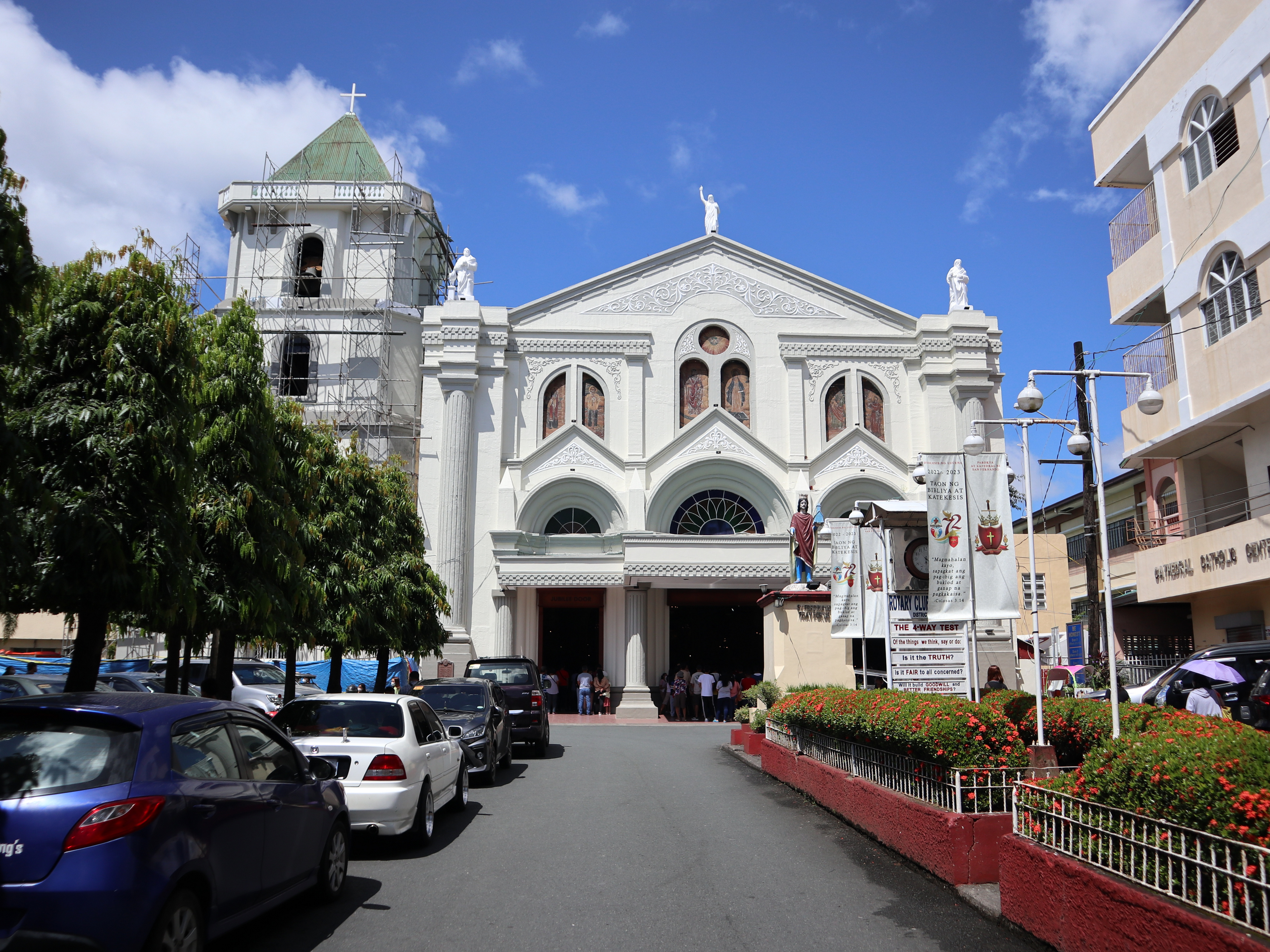
Manufacturing and trading drive Lucena's economy, with the city serving as Calabarzon's commercial nerve center. Major employers span food processing, textiles, and logistics companies that leverage the port access. Government jobs are plentiful given its status as Quezon Province's capital, while healthcare and education sectors offer steady employment at regional hospitals and universities. The fishing industry still employs locals, though industrial jobs increasingly dominate. Salaries range from ₱15,000-40,000 monthly for most positions, with management roles reaching ₱60,000+.
One-bedroom apartments in the city center cost around $350 monthly, reasonable for a regional hub but triple what you'd pay in rural Quezon. Jeepneys and tricycles handle local transport for ₱10-15 per ride, though traffic congestion is real during peak hours. Healthcare access is excellent with multiple hospitals and specialists available. English is widely spoken in business settings, but Tagalog fluency helps significantly with daily interactions. Government bureaucracy moves at typical Philippine pace — bring patience and multiple photocopies.
Tropical climate means 80-90°F year-round with heavy rains June through November, plus typhoon risk. Local food scene centers on fresh seafood, pancit habhab (the local noodle specialty), and standard Filipino fare. Weekend options include nearby beaches, hiking Mount Banahaw, or shopping at SM City Lucena. The expat community is small — maybe 200-300 foreigners total, mostly retirees and business owners. This city works best for people who want provincial Philippine living with urban conveniences, not beach paradise seekers.