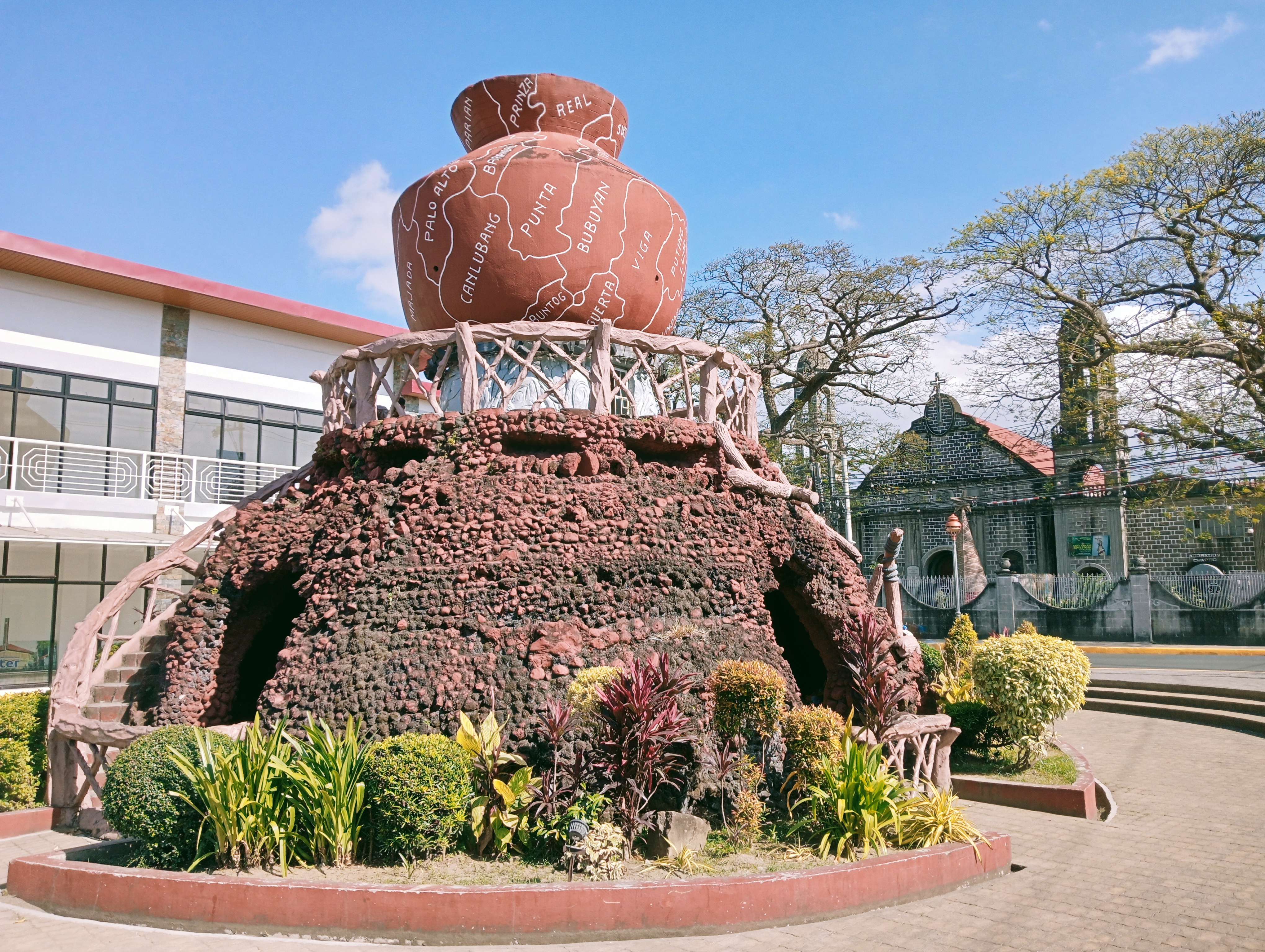
Calamba sits 54 meters above sea level in the Philippines, 15 kilometers from Manila's Ninoy Aquino International Airport (MNL). The city's tropical monsoon climate keeps humidity high all year. Expats tend to settle in the Canlubang and Real neighborhoods, drawn by their relative quiet and access to essentials. With a population of 575,000, Calamba offers a small but present expat community.
Living costs here are a fraction of what you would pay in New York City, with a cost-of-living index of 36 out of 100. A single person's monthly expenses excluding rent run about $450, while a family of four spends roughly $1,350. Rents are low: a one-bedroom in the city center averages $350 per month, and outside the center it drops to $250. A three-bedroom in the center goes for $750, or $550 outside. Utilities add $141 monthly, internet costs $23, and a mobile plan is $18. A meal at an inexpensive restaurant costs $4, a three-course dinner for two at a mid-range spot is $12, and a cappuccino runs $2. The average local monthly net salary is $255. Budget-tier living for a single adult, including rent, totals $444 per month; mid-range comes to $583; and a comfortable lifestyle runs $732.
Safety is solid, with a safety index of 65 and a crime index of 35 (lower is safer). Healthcare quality is rated as good, and the air quality index sits at 58. English is common in tourist areas, making daily life easier for newcomers.
The Philippines SRRV Retirement Visa requires a minimum monthly income of $1,500. For those working remotely, the Philippines SEZ Remote Work Visa (PEZA Zone) is an option. The nearest airport is MNL, 15 kilometers away. Calamba suits retirees (retiree score 64), digital nomads (score 68), and anyone pursuing financial independence (FIRE score 82), with an overall expat score of 80 out of 100.
Estimate the cost of moving to Calamba, Philippines
Get a free moving cost estimate for moving to Calamba, Philippines. Takes 10 seconds.
How much are you shipping?
When are you moving?
Powered by Sirelo. Free quotes from international movers.
🏚️ Cost of Living
💰 Budgets and Costs
$486/mo, one person, rent included
Selected: budget lifestyle
Calamba at the budget tier comes to about $486 a month for one adult, with $250 of that going to rent. Beyond rent the estimate covers $71.00 on groceries, $6.00 on dining out, $18.00 on entertainment and lifestyle and $141 on utilities and connectivity.
Rent
$250/mo
1BR outside the centre
Groceries
$71.00/mo
75% of mid-range grocery spend
Dining out
$6.00/mo
4 inexpensive meals
Entertainment & lifestyle
$18.00/mo
1 cinema trip, 8 cappuccinos
Utilities & connectivity
$141/mo
utilities, mobile, internet
Budgets (excl. rent)
Single person$236/mo
Excludes rent. The total above is all-in, rent included.
$531/mo, one person, rent included
Selected: mid-range lifestyle
Calamba at the mid-range tier comes to about $531 a month for one adult, with $250 of that going to rent. Beyond rent the estimate covers $95.00 on groceries, $16.00 on dining out, $29.00 on entertainment and lifestyle and $141 on utilities and connectivity.
Rent
$250/mo
1BR outside the centre
Groceries
$95.00/mo
Staples basket scaled to a full month
Dining out
$16.00/mo
10 inexpensive meals
Entertainment & lifestyle
$29.00/mo
2 cinema trips, 12 cappuccinos
Utilities & connectivity
$141/mo
utilities, mobile, internet
Budgets (excl. rent)
Single person$281/mo
Excludes rent. The total above is all-in, rent included.
$756/mo, one person, rent included
Selected: comfortable lifestyle
Calamba at the comfortable tier comes to about $756 a month for one adult, with $350 of that going to rent. Beyond rent the estimate covers $133 on groceries, $80.00 on dining out, $52.00 on entertainment and lifestyle and $141 on utilities and connectivity.
Rent
$350/mo
1BR in the centre
Groceries
$133/mo
140% of mid-range grocery spend
Dining out
$80.00/mo
6 inexpensive meals + 6 mid-range meals
Entertainment & lifestyle
$52.00/mo
4 cinema trips, 20 cappuccinos
Utilities & connectivity
$141/mo
utilities, mobile, internet
Budgets (excl. rent)
Single person$406/mo
Excludes rent. The total above is all-in, rent included.
Estimates for one adult, built from this city's average prices and the usage shown for each tier. Your spending will differ with how often you eat out and where you live.
A 1BR in the center runs about $350/mo. If your income is in another currency, bank FX fees add up. A multi-currency account can cut that cost.
Calamba feels moderately safe for expats during daylight hours, with decent walkability in commercial and residential zones. Nighttime solo walking is not recommended, particularly in unfamiliar areas. The city has a lived-in, working-class character—not a tourist bubble—which means fewer English speakers but also fewer tourist-targeted crimes. Most expats report feeling reasonably secure with standard urban precautions.
Petty theft and pickpocketing are the primary concerns, especially in crowded markets, jeepney rides, and commercial districts. Scams targeting foreigners exist but are less prevalent than in Manila. Avoid displaying expensive jewelry, cameras, or large cash amounts. Solo female travelers should use ride-sharing apps (Grab) rather than hailing taxis at night. Home burglary and robbery do occur; secure housing with gates and reliable locks is essential.
The Philippines has moderate corruption and police reliability varies by jurisdiction; Calamba's local police are generally functional but not always responsive to expat complaints. Political stability is stable in this region—no active insurgency or protest hotspots. The city is primarily industrial and residential, not a political flashpoint. For an American considering relocation, Calamba is safer than Manila but requires vigilance typical of any developing-world city. It's suitable for those comfortable with moderate precautions and a non-Western urban environment.
Calamba has a safety index of 37.27/100. Petty theft and lost belongings are the most common problems for newcomers. Compare travel insurance before you go.
Located in nearby Santa Rosa (accessible from Calamba), WorkPlays offers a vibrant community and modern facilities. It's a good option for those seeking a more established coworking environment near Calamba.
While not directly in Calamba, Acceler8 has locations in Metro Manila, which is accessible for a day trip. It offers a professional environment with various amenities, suitable for those needing occasional access to a larger city's resources.
Located in nearby Santa Rosa, Nuvali, this Regus center provides a reliable and professional coworking environment. It's a good option for those who prefer a globally recognized brand with consistent services and is easily accessible from Calamba.
See how Calamba's digital nomad life compares with Dumaguete
🧳 Expat Life
English Proficiency
Common in Tourist Areas
Expat Community
Small
Top Neighborhoods
Canlubang, Real
Banks Nearby
78
ATMs Nearby
25
Expat Life Notes
An industrial and residential hub south of Manila; expats are mostly factory managers or those seeking a local lifestyle.
Pros
✓ Native English universally spoken
✓ Lower cost of living than Manila
✓ Close to weekend nature spots
Cons
✗ Industrial sprawl
✗ Extreme traffic into Manila
✗ Limited nightlife
🏘️ Neighborhoods in Calamba
Areas of Calamba that expats often consider.
Conditions can change from one block to the next, and these descriptions are general guides, not safety assessments. Before choosing where to stay or live, check current travel advisories, talk to people who live there, and visit in person if you can.
Barrio Uno (Poblacion)
Historic center, local vibe
The original town center, Barrio Uno offers a glimpse into Calamba's history. It's primarily residential with local shops and eateries. While not particularly expat-focused, it provides an authentic Filipino living experience, but English proficiency may be limited.
Real
Residential, family-friendly, quiet
Real is a large barangay with a mix of housing options, including gated communities and subdivisions. It's popular with families and offers a more suburban feel. While not a major expat hub, it's relatively safe and accessible, with some English spoken.
Paciano Rizal
Commercial, accessible, bustling
Located along the national highway, Paciano Rizal is a commercial area with easy access to transportation and amenities. It's a busy area with a mix of residential and commercial properties. While convenient, it can be noisy and crowded, but English is commonly spoken.
Canlubang
Upscale, suburban, golf courses
Canlubang is known for its upscale residential developments, golf courses, and more relaxed atmosphere. It's a popular choice for retirees and those seeking a quieter lifestyle. English is widely spoken, and there are amenities catering to a more international clientele, but it's more car-dependent.
Turbina
Transportation hub, commercial, busy
Turbina is a major transportation hub with bus terminals connecting Calamba to other parts of the Philippines. It's a bustling commercial area with a wide range of shops and restaurants. While convenient for travel, it can be crowded and noisy, but English is generally understood.
Lawyered
Developing, residential, affordable
Lawyered is a developing area with more affordable housing options. It's primarily residential and less developed than other parts of Calamba. While offering a lower cost of living, it may lack some amenities and English proficiency may be limited.
Page 1 of 2
Could living/working in Calamba cut years off your work life?
With a 1-bedroom in the center at $350/mo, your FIRE number here might be much lower than you think.
Calamba has a population of approximately 575,046 people.
A single person can expect to spend around $875 per month in Calamba, including rent. A 1-bedroom apartment in the city center costs approximately $350/month.
The nearest airport to Calamba is MNL, approximately 14.8km away.
Calamba is considered a higher-crime area that requires caution, with a safety index of 37.3. As with any city abroad, expats should research specific neighborhoods before committing to a location.
Calamba has an average internet speed of 56 Mbps. It is considered a well-established digital nomad destination.
It's manageable but not painless. The SLEX expressway makes it 1.5 hours on a good day, but Manila-bound traffic during peak hours can push that to 2.5 hours or more. Bus services run regularly from the Calamba terminal. If you're commuting daily to Manila for work, factor that time cost seriously into your decision.
Foreigners can legally rent property with no restrictions. Ownership of land is constitutionally prohibited for non-Filipinos, but you can own a condominium unit as long as foreign ownership in the building doesn't exceed 40%. Long-term renters typically negotiate 6- or 12-month contracts; expect landlords to require post-dated checks rather than direct debit.
You can live comfortably in Calamba on $1,200-$2,000 USD per month, depending on your lifestyle. Rent for a decent apartment or house in a gated community like La Residencia starts around $400-$600, while groceries and dining out are significantly cheaper than in the US.
The most common options are the Tourist Visa (extendable up to 36 months), the Special Resident Retiree's Visa (SRRV) which requires a deposit with the Philippine Retirement Authority, or obtaining a work visa if you plan to work remotely for a foreign company. Consult with an immigration lawyer for the best option based on your circumstances.
Calamba has several hospitals, including the Calamba Medical Center and Global Care Medical Center of Canlubang. While not all doctors are fluent, many have a good command of English, especially those trained in larger cities. Private healthcare is generally affordable, but ensure you have comprehensive health insurance.
Gated communities like La Residencia, Carmelray, and subdivisions in Canlubang are generally considered safe and popular among expats. These offer security, amenities, and a quieter environment compared to the city center. However, these come at a slightly higher rental cost.
Internet speed in Calamba is generally good, with fiber optic connections available in many areas. Expect speeds of 25-50 Mbps, sufficient for most remote work tasks. However, occasional outages can occur, so having a backup internet source or a mobile hotspot is advisable.
While Calamba doesn't have a large number of dedicated coworking spaces, some cafes offer decent Wi-Fi and a conducive environment for remote work. Check out cafes near the industrial parks or in the malls. Larger coworking spaces are more common in nearby cities like Santa Rosa.
Opening a bank account in Calamba requires a valid visa, passport, and proof of address. Banks like BDO and Metrobank are accustomed to dealing with foreign clients. Be prepared to provide documentation and potentially maintain a minimum balance.
Calamba has a tropical climate with distinct wet and dry seasons. The hottest months are March to May, while the rainy season runs from June to November. Expect high humidity year-round, so lightweight and breathable clothing is essential.
Many expats rely on a combination of jeepneys, tricycles, and ride-hailing apps like Grab. Owning a car is also an option, but be prepared for traffic congestion, especially during peak hours. Public transportation is affordable but can be crowded.
The expat community in Calamba is relatively small compared to Manila or Cebu. Online forums and Facebook groups for expats in the Philippines are good places to connect. Also, networking with other foreigners in gated communities can help you build a social circle.
With a monthly budget of $1,500-$2,000 USD, you can retire comfortably in Calamba, covering rent, food, healthcare, and leisure activities. This assumes you own your property outright or have a manageable mortgage. It's significantly lower than the cost of living in many parts of the US.
As a US citizen, you're still required to file US taxes even when living abroad. You may be able to exclude a significant portion of your foreign earned income using the Foreign Earned Income Exclusion (FEIE). Also, be aware of FBAR reporting requirements for foreign bank accounts.
While Tagalog is the primary language, English is widely spoken in Calamba, especially in business establishments, schools, and tourist areas. You'll find it relatively easy to communicate in English for most day-to-day activities, though learning some basic Tagalog phrases is always appreciated.
Filipino culture emphasizes respect for elders, strong family ties, and a more indirect communication style. Be patient, polite, and avoid confrontation. 'Pakikisama' (getting along) is highly valued, so try to be agreeable and avoid causing offense.
Cost-of-living and visa updates for Calamba and the rest of Philippines. Free with RA Postcards.
By submitting your email address, you will receive a free subscription to RA Postcards and special offers from Rewire Abroad and our affiliates. You can unsubscribe at any time, and we encourage you to read more about our Privacy Policy.