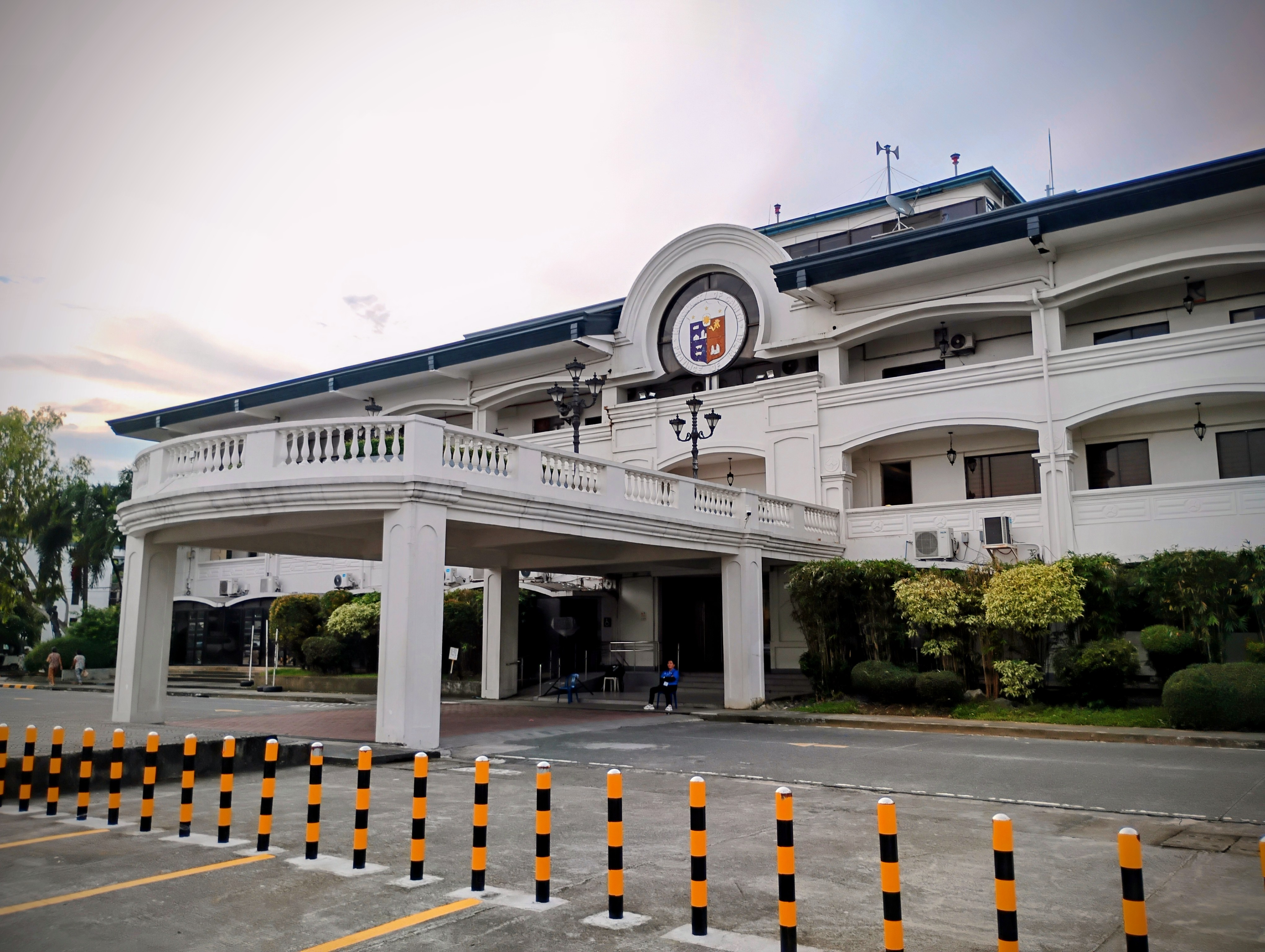
Cainta sits just 23 kilometers from Manila's Ninoy Aquino International Airport (MNL), a low-lying city at 10 meters above sea level with a population of 386,000. Its tropical climate brings hot, humid summers from May through October and warm, slightly drier winters from November to April, with heavy rainfall year-round and peak typhoon season between June and September. Expatriates tend to settle in the Valley Golf and Filinvest neighborhoods, though the overall expat community here remains small.
Living costs in Cainta are modest. A single adult's monthly expenses excluding rent run about $550, while a family of four spends roughly $1,600 on the same items. Rents vary: a one-bedroom in the city center averages $243 per month, and outside the center it jumps to $324; a three-bedroom in the center costs $750, but outside the center it drops to $550. Utilities come to $123 monthly, internet to $23, and a mobile phone plan to $16. A meal at an inexpensive restaurant costs $4, a three-course dinner for two at a mid-range restaurant runs $17, and a cappuccino is $2. The average monthly net salary locally is $429, and the cost of living index sits at 41 out of 100 (New York City equals 100).
Safety and healthcare are mixed. The safety index is 44 out of 100, and the crime index stands at 56 (lower is safer). Healthcare quality is rated as fair. The air quality index is 68, with lower numbers indicating better air.
For longer stays, the Philippines offers the SRRV Retirement Visa, which requires a minimum monthly income of $1,500. Digital nomads can look into the Philippines SEZ Remote Work Visa (PEZA Zone). Cainta earns an overall expat score of 71 out of 100, a FIRE score of 73, a retiree score of 49, and a digital nomad score of 55. It suits budget-conscious singles and families who can manage on local wages or remote income, though English proficiency is limited and the expat community is small.