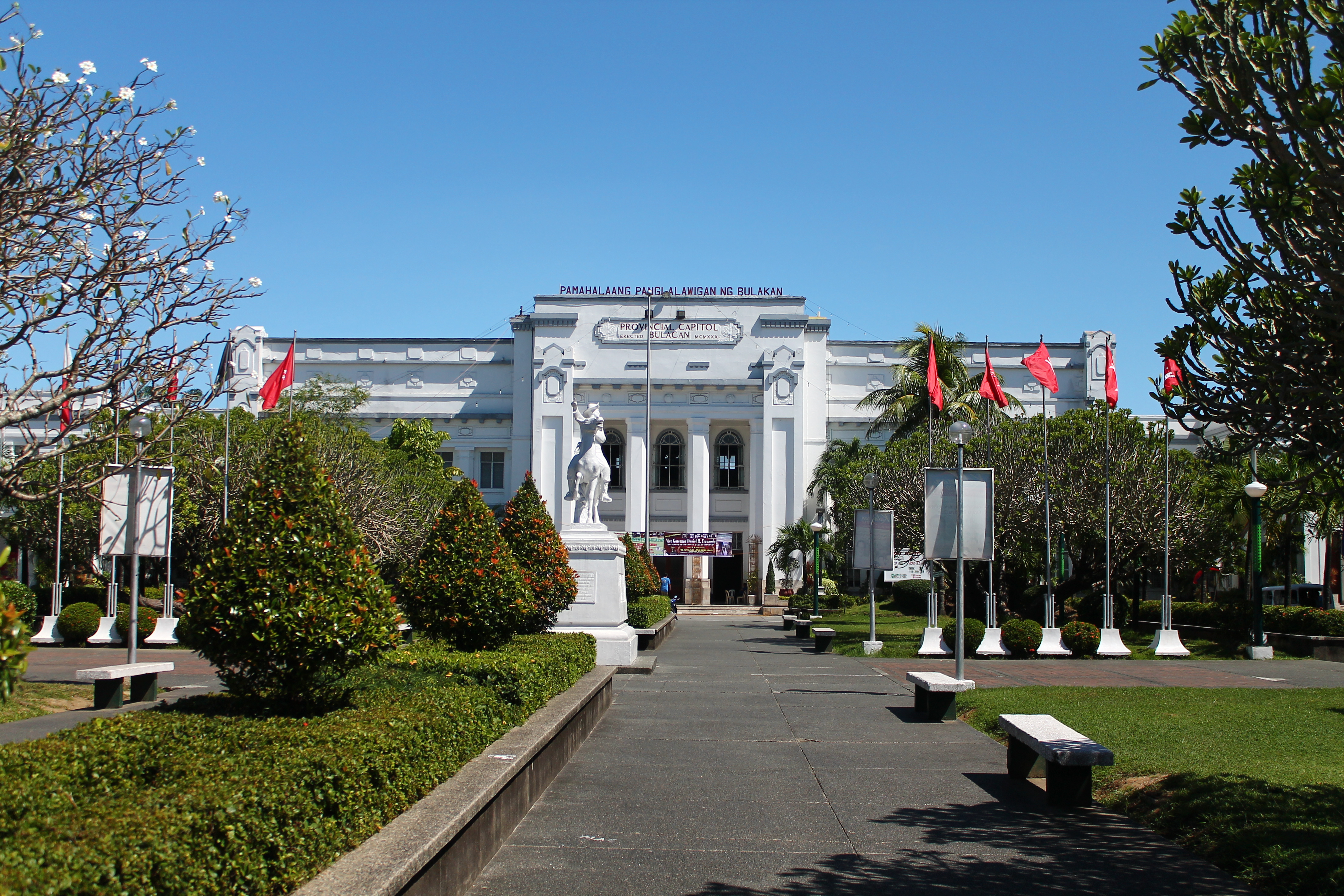
Manufacturing drives Bulacan's economy more than almost anything else in Central Luzon — textile mills, electronics assembly plants, and food processing facilities line the industrial corridors of Meycauayan and Marilao, supplying both Metro Manila and export markets. Real estate development has exploded alongside this, with SM, Ayala, and Robinsons all planting malls and subdivisions here. Most locals either work in these factories, commute to Metro Manila for white-collar jobs, or run small retail and service businesses. Remote workers exist but are a small minority — this isn't a digital nomad hub.
A one-bedroom in the city center runs around $280/month, which is genuinely affordable compared to Metro Manila's $500–800 range for equivalent space. Public transport is functional but chaotic — jeepneys, tricycles, and UV Express vans dominate, and NLEX access helps if you have a car, but rush-hour gridlock toward Manila is a daily reality. Healthcare is available through provincial hospitals and private clinics in Malolos, though serious cases typically get referred to Manila. Tagalog is the local language; English is understood in commercial settings but bureaucratic transactions at local government offices will test your patience.
Two distinct seasons define life here: a dry stretch from December through May that's hot and dusty, and a monsoon season that brings flooding in low-lying barangays — not a minor inconvenience, a genuine infrastructure problem. Food is a genuine strength: fresh markets, affordable Filipino home cooking, and proximity to Manila's restaurant scene. The expat community is small and not particularly organized — you won't find the Facebook groups and weekly meetups you'd get in Cebu or BGC. Weekends mean malls, local fiestas, or day trips to Pampanga. This city suits Metro Manila workers or retirees who want lower rent and don't mind trading urban convenience for commute time.
Estimate the cost of moving to Bulacan, Philippines
Get a free moving cost estimate for moving to Bulacan, Philippines. Takes 10 seconds.
How much are you shipping?
When are you moving?
Powered by Sirelo. Free quotes from international movers.
🏚️ Cost of Living
💰 Budgets and Costs
$375/mo, one person, rent included
Selected: budget lifestyle
Bulacan at the budget tier comes to about $375 a month for one adult, with $115 of that going to rent. Beyond rent the estimate covers $66.00 on groceries, $9.00 on dining out, $18.00 on entertainment and lifestyle, $160 on utilities and connectivity and $7.00 on transport.
Rent
$115/mo
1BR outside the centre
Groceries
$66.00/mo
75% of mid-range grocery spend
Dining out
$9.00/mo
4 inexpensive meals
Entertainment & lifestyle
$18.00/mo
1 cinema trip, 8 cappuccinos
Utilities & connectivity
$160/mo
utilities, mobile, internet
Transport
$7.00/mo
Monthly pass
Budgets (excl. rent)
Single person$260/mo
Excludes rent. The total above is all-in, rent included.
$470/mo, one person, rent included
Selected: mid-range lifestyle
Bulacan at the mid-range tier comes to about $470 a month for one adult, with $115 of that going to rent. Beyond rent the estimate covers $88.00 on groceries, $24.00 on dining out, $76.00 on entertainment and lifestyle, $160 on utilities and connectivity and $7.00 on transport.
Rent
$115/mo
1BR outside the centre
Groceries
$88.00/mo
Staples basket scaled to a full month
Dining out
$24.00/mo
10 inexpensive meals
Entertainment & lifestyle
$76.00/mo
gym, 2 cinema trips, 12 cappuccinos
Utilities & connectivity
$160/mo
utilities, mobile, internet
Transport
$7.00/mo
Monthly pass
Budgets (excl. rent)
Single person$355/mo
Excludes rent. The total above is all-in, rent included.
$624/mo, one person, rent included
Selected: comfortable lifestyle
Bulacan at the comfortable tier comes to about $624 a month for one adult, with $178 of that going to rent. Beyond rent the estimate covers $124 on groceries, $56.00 on dining out, $99.00 on entertainment and lifestyle, $160 on utilities and connectivity and $7.00 on transport.
Rent
$178/mo
1BR in the centre
Groceries
$124/mo
140% of mid-range grocery spend
Dining out
$56.00/mo
6 inexpensive meals + 6 mid-range meals
Entertainment & lifestyle
$99.00/mo
gym, 4 cinema trips, 20 cappuccinos
Utilities & connectivity
$160/mo
utilities, mobile, internet
Transport
$7.00/mo
Monthly pass
Budgets (excl. rent)
Single person$446/mo
Excludes rent. The total above is all-in, rent included.
Estimates for one adult, built from this city's average prices and the usage shown for each tier. Your spending will differ with how often you eat out and where you live.
A 1BR in the center runs about $177.52/mo. If your income is in another currency, bank FX fees add up. A multi-currency account can cut that cost.
Bulacan is moderately safe for expats, with a Safety Index of 66 suggesting reasonable security for daily life. Daytime walkability is generally fine in commercial and residential areas, though nighttime solo walks are best avoided. The city feels safer than Manila proper, but it's still an urban Philippine province where situational awareness matters. Most expats report feeling secure in established neighborhoods and gated communities.
Petty theft, pickpocketing, and bag snatching are the primary concerns—especially in crowded markets, jeepneys, and commercial districts. Scams targeting foreigners (overpayment schemes, fake tours, ATM fraud) occur but are avoidable with caution. Violent crime is uncommon against expats, though armed robbery can happen in isolated areas after dark. Solo female travelers should avoid unlit streets at night and use trusted transportation. Avoid displaying expensive jewelry, cameras, or large cash amounts.
Bulacan has moderate corruption issues typical of the Philippines, and police reliability varies by precinct—some are helpful, others less so. Political protests and demonstrations occur but rarely target expats directly. The province is generally stable with no active conflict zones. For Americans considering relocation, Bulacan offers reasonable safety for those who exercise normal urban precautions and live in established expat-friendly areas like Malolos or Meycauayan. It's a practical choice for remote workers seeking lower costs than Manila with acceptable security.
Bulacan has a safety index of 53.7/100. Petty theft and lost belongings are the most common problems for newcomers. Compare travel insurance before you go.
While technically in a neighboring area easily accessible from Bulacan, Regus Clark Quay offers a professional environment with reliable internet, meeting rooms, and administrative support. It's a good option for those seeking a globally recognized brand and consistent quality.
Located in a nearby business hub, Acceler8 provides a modern coworking space with various membership options, including hot desks and private offices. It features high-speed internet, meeting rooms, and a collaborative atmosphere suitable for digital nomads.
Also located in a neighboring business district, The Workplace Plus offers a premium coworking experience with ergonomic furniture, fast internet, and a range of business services. It's a good choice for those who value comfort and convenience.
See how Bulacan's digital nomad life compares with Alabang
🧳 Expat Life
English Proficiency
Limited
Expat Community
Small
Top Neighborhoods
Malolos, Meycauayan
Banks Nearby
1
ATMs Nearby
0
Expat Life Notes
A historic agricultural and industrial neighbor of Manila; expats are mostly those who commute or are married to locals.
Pros
✓ Native English universally spoken
✓ Low cost of living
✓ Historic atmosphere
Cons
✗ Extreme traffic to Manila
✗ No established expat social circle
✗ Humidity
🏘️ Neighborhoods in Bulacan
Areas of Bulacan that expats often consider.
Conditions can change from one block to the next, and these descriptions are general guides, not safety assessments. Before choosing where to stay or live, check current travel advisories, talk to people who live there, and visit in person if you can.
Malolos City Proper
Historic, bustling, provincial capital
The heart of Bulacan's capital, Malolos City Proper offers a mix of historical sites, government offices, and commercial establishments. It's relatively walkable, with readily available public transportation. While not a major expat hub, English is widely spoken, and it provides an authentic Filipino experience. Expect some traffic congestion and noise.
Meycauayan City Proper
Commercial, industrial, accessible location
Meycauayan is a highly commercialized city, known for its jewelry industry and proximity to Metro Manila. It's less charming than other areas, but offers easy access to Manila via the NLEX highway. While not particularly expat-focused, it provides affordable living and convenient access to amenities. Traffic can be heavy.
Santa Maria
Residential, suburban, family-oriented
Santa Maria is primarily a residential area, offering a quieter and more laid-back atmosphere compared to the city centers. It's a good option for those seeking a more local experience and a lower cost of living. Public transportation is available, but owning a car is recommended. English proficiency may be lower than in more urban areas.
Baliwag
Agricultural, traditional, community-focused
Baliwag is a large municipality with a strong agricultural base and a traditional Filipino culture. It's a good choice for those seeking a truly immersive experience and a slower pace of life. Expect limited English proficiency and a reliance on local transportation. It is known for its Buntal Hat Festival.
Guiguinto
Progressive, developing, accessible location
Guiguinto is a rapidly developing municipality with increasing commercial activity and residential subdivisions. Its proximity to the NLEX makes it easily accessible to Metro Manila. While not specifically geared towards expats, it offers a convenient location and a growing range of amenities. Traffic is becoming more congested.
San Jose del Monte City
Sprawling, residential, affordable housing
San Jose del Monte is a large and rapidly growing city offering relatively affordable housing options. It's further from the main commercial centers of Bulacan and Metro Manila, but offers a more suburban lifestyle. Public transportation is available, but can be crowded. It's less expat-oriented, but provides a lower cost of living.
Page 1 of 2
Could living/working in Bulacan cut years off your work life?
With a 1-bedroom in the center at $178/mo, your FIRE number here might be much lower than you think.
At the mid-range tier, one adult needs about $470 a month in Bulacan, rent included, with $115 of that going to rent. That leaves roughly $355 for everything except housing.
In Bulacan, a one-bedroom runs $178 in the center and $115 outside it and three bedrooms come to $251 in the center and $157 outside it, per month.
Average monthly net salary in Bulacan is $292. That is 62% of the $470 mid-range monthly budget.
Bulacan scores 53.7 on the safety index (higher is safer) and a crime index of 46.3 (lower is safer).
Average internet speed in Bulacan is 35 Mbps. A home connection costs about $29/mo.
In Bulacan, summer averages 34°C, winter averages 22°C and annual rainfall is 2310 mm.
Bulacan has a safety index of 66, which is moderate by Philippine standards. Petty crime exists, particularly in crowded markets and public transport, but violent crime targeting foreigners is uncommon. Stick to established residential subdivisions and you'll generally be fine, though you should apply the same street awareness you would anywhere in the Metro Manila region.
It depends heavily on where you're going and when. NLEX cuts drive time significantly if you have a car, but rush-hour traffic toward Quezon City or Manila can stretch a 30km trip to 90 minutes or more. Public transport options like UV Express and buses exist but are crowded and slow. Budget 1.5–2.5 hours each way during peak hours and plan your life around that reality.
Foreigners cannot own land in the Philippines, including Bulacan — that restriction applies nationwide. You can legally own a condominium unit as long as foreign ownership in the building doesn't exceed 40%. Long-term lease agreements (up to 50 years, renewable for 25 more) are another common workaround. Many expats put property in a Filipino spouse's name, which carries its own legal risks worth discussing with a local attorney.
Bulacan offers a significantly lower cost of living than Metro Manila. Expect to pay $500-$1000 USD per month, depending on your lifestyle. Rent for a decent apartment or house can range from $200-$500, while groceries and dining out are also very affordable.
The most common options are the Special Resident Retiree's Visa (SRRV) offered by the Philippine Retirement Authority, or a tourist visa which requires regular extensions. The SRRV requires a deposit with a Philippine bank, while tourist visas require demonstrating sufficient funds and intent to leave.
While Bulacan has hospitals and clinics, the quality may not be on par with Western standards. Some doctors speak English, especially in larger hospitals like Sacred Heart Hospital of Malolos. For more specialized care, many expats travel to Metro Manila.
Generally, Bulacan is considered safe, but like any area, petty crime can occur. It's wise to be cautious in crowded public markets, especially at night. Research specific neighborhoods before committing to living there, and ask locals for their insights.
English is widely understood and spoken in Bulacan, especially among younger generations and those in customer service roles. You'll find it relatively easy to communicate in English for most daily interactions, though learning some Tagalog phrases is always appreciated.
Major Philippine banks like BDO and Metrobank have branches in Bulacan. Opening an account is possible but requires documentation. For international transfers, services like Wise or Remitly often offer better exchange rates and lower fees than traditional bank transfers. ATMs are readily available.
Internet speeds in Bulacan can vary depending on the provider and location. Fiber optic internet is available in some areas, offering speeds suitable for remote work. Expect to pay around $30-$50 per month for a decent internet plan. Check coverage maps before choosing a location.
The expat community in Bulacan is smaller compared to cities like Manila or Cebu. However, you can connect with other expats through online forums and social media groups. Many expats in Bulacan work or have businesses in the area, or are married to Filipinos.
Areas like Meycauayan, Marilao, and Santa Maria offer affordable housing options and are relatively close to Metro Manila. These areas have a mix of residential and commercial establishments, providing convenient access to amenities.
Bulacan has a tropical climate with distinct wet and dry seasons. The hottest months are typically March to May, while the rainy season runs from June to November. Expect high humidity year-round. Be prepared for typhoons during the rainy season.
Public transportation in Bulacan primarily consists of jeepneys, buses, and tricycles. While affordable, it can be crowded and time-consuming. Owning a car or motorcycle offers more flexibility, but be prepared for traffic congestion, especially near Metro Manila.
As a US citizen, you're still required to file US taxes even when living abroad. The Foreign Earned Income Exclusion (FEIE) can help you exclude a certain amount of your foreign-earned income from US taxes. Also, be aware of FBAR and FATCA reporting requirements for foreign bank accounts.
Yes, retiring early in Bulacan on $2000 USD per month is very feasible, especially if you own your home or have low housing costs. This budget allows for a comfortable lifestyle, covering expenses like food, utilities, healthcare, and leisure activities. You'll likely have funds left over for savings or travel.
The quality of life in Bulacan is generally good, especially if you appreciate a slower pace and a lower cost of living. While there may be some cultural adjustments, the friendly locals and widespread English proficiency make it relatively easy to integrate and enjoy daily life.
Cost-of-living and visa updates for Bulacan and the rest of Philippines. Free with RA Postcards.
By submitting your email address, you will receive a free subscription to RA Postcards and special offers from Rewire Abroad and our affiliates. You can unsubscribe at any time, and we encourage you to read more about our Privacy Policy.