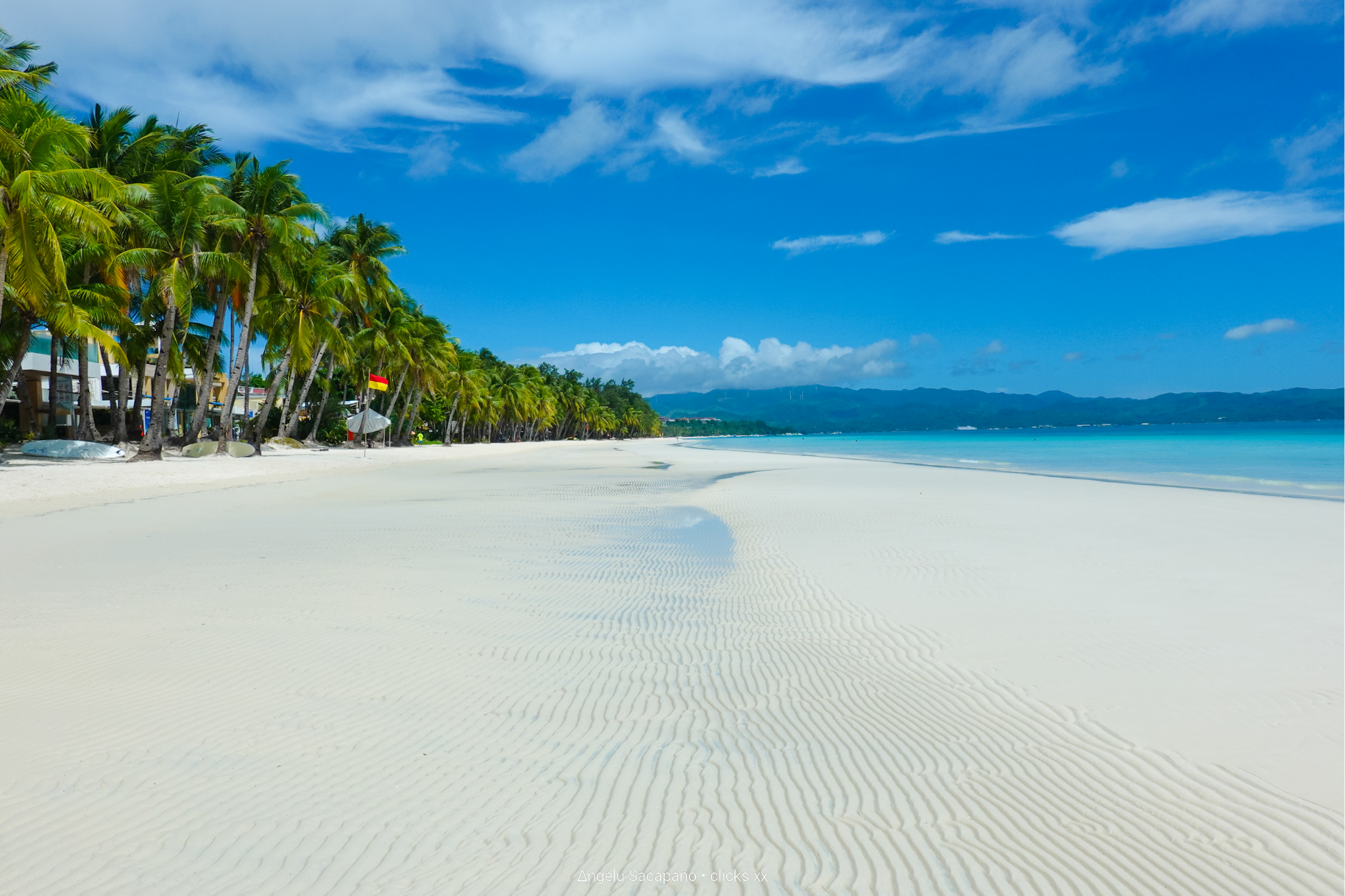
Boracay, Philippines
Data updated Aug 28, 2026
📊 Scores
Best fit: FIRE / Geoarbitrage (score: 76)
Tourism dominates Boracay's economy entirely—resorts, water sports operators, restaurants, and hospitality employ the vast majority of the 37,802 residents. Real estate development and property investment have accelerated since the 2018 closure and reopening, with foreign money flowing into resort construction. If you're not working in tourism, hospitality, or real estate, you're either remote or struggling to find meaningful local employment. The island economy is seasonal and entirely dependent on visitor arrivals.
A 1-bedroom in the city center runs $354/month, but that's misleading—most expat-friendly rentals are $600–$1,200 because tourism inflation has pushed prices up sharply. Tricycles and motorbikes are your transport; there's no real public transit. Healthcare is adequate at private clinics, though serious cases require ferry to Panay. Bureaucracy is standard Philippines chaos: visa runs, business permits, and residency paperwork require patience. English is widely spoken in tourist areas but drops off quickly outside them.
Tropical climate year-round, dry season November–May is peak. Weekends mean beach, diving, island-hopping, or partying at White Beach bars. The expat community is transient and tourism-focused—digital nomads, dive instructors, resort workers. Social life revolves around bars and water sports, not depth. Boracay suits short-term visitors, remote workers seeking beach life, and people in the tourism industry; it's not a place to build roots or find intellectual community.
Estimate the cost of moving to Boracay, Philippines
Get a free moving cost estimate for moving to Boracay, Philippines. Takes 10 seconds.
How much are you shipping?
When are you moving?
Powered by Sirelo. Free quotes from verified international movers.
🏚️ Cost of Living
💰 Budgets and Costs
Budgets (excl. rent)
These exclude rent. The tiers above are all-in monthly budgets.
Grocery Basket
Eating Out
Utilities & Lifestyle
Housing
A 1BR in the center runs about $728.28/mo. If your income is in another currency, bank FX fees add up. A multi-currency account can cut that cost.
See low-fee transfersWe may earn a commission at no cost to you.
🛡️ Safety & Crime
(Higher is safer)
(Lower is safer)
Boracay is genuinely safe for expats in day-to-day life, with a strong tourist and expat presence that keeps the island relatively secure. Walking around during daylight is unremarkable; most expats move freely without concern. Nighttime walks in populated areas like the beach strip and main commercial zones are generally fine, though isolated spots warrant caution. The island's economy depends on tourism, which incentivizes local authorities to maintain order.
Petty theft—phone snatching, bag theft from unattended tables—is the primary concern, especially in crowded beach areas and markets. Scams targeting tourists exist but are less prevalent than in Manila. Violent crime against expats is rare. Solo female travelers report feeling safe overall, though standard precautions apply: avoid displaying expensive items, don't accept drinks from strangers, and use registered taxis or ride-apps. Pickpocketing occurs in busy areas; keep valuables secure.
The Philippines has corruption issues and police reliability varies, but Boracay's tourism-dependent economy and visible police presence mitigate major concerns. The island experienced a controversial six-month closure in 2018 for environmental rehabilitation, showing government intervention capacity. No significant political instability or protest activity affects daily life here. For Americans considering relocation, Boracay is one of the safer Philippine destinations—realistic precautions suffice, and the expat community is well-established and supportive.
🏥 Healthcare
🌤️ Climate
Best Months
Climate Notes
Boracay has a tropical climate with warm temperatures year-round, a dry season from November to May with lower humidity, and a wet monsoon season from June to October with frequent afternoon showers.
💻 Digital Nomad
Community Notes
| Name | Price/mo | Notes |
|---|---|---|
| Outpost Boracay | $149 | Located in Bulabog, Outpost Boracay offers a vibrant community, fast internet, and comfortable workspaces. It's a popular choice for digital nomads seeking a social and productive environment near the beach. |
| The Lazy Lizard Boracay | $100 | Situated in Station 1, The Lazy Lizard provides a relaxed atmosphere with beachfront access. It's ideal for those who want to combine work with leisure, offering a casual setting and stunning views. |
| Regus Boracay | $200 | Located in a prime business area, Regus Boracay offers professional serviced offices and coworking spaces. It provides a more formal and structured environment with reliable amenities, suitable for those needing a dedicated workspace. |
Planning to live in Boracay long-term? Philippines SEZ Remote Work Visa (PEZA Zone) lets remote workers live legally.
View full requirements →Working remotely from Boracay? Nomad health insurance covers you across borders, month to month.
See nomad insuranceWe may earn a commission at no cost to you.
🧳 Expat Life
Expat Life Notes
One of the world's premier beach islands. Boracay has an active community of hospitality entrepreneurs and digital nomads.
Pros
- ✓ Stunning white sand beaches
- ✓ Highly developed tourism infrastructure
- ✓ Very active nightlife
Cons
- ✗ Highly seasonal and crowded
- ✗ Relatively high cost for Philippines
- ✗ Environmental regulations can be strict
🛂 Visa Options for Philippines
Many long-stay visas require proof of health insurance. Compare international health plans before you apply.
Compare health insuranceWe may earn a commission at no cost to you.
Earning over $1,500/mo? You may qualify for a Philippines visa.
Answer 10 questions and get a personalized match in under 2 minutes.
Could living/working in Boracay cut years off your work life?
With a 1-bedroom in the center at $728/mo, your FIRE number here might be much lower than you think.
More Cities to Consider instead of Boracay
Frequently Asked Questions about Boracay
Click any question to expand the answer.
📚 Related Reading
Share This Guide
Boracay won't stay this cheap forever.
Cost-of-living and visa updates for Boracay and the rest of Philippines. Free with RA Postcards.
By submitting your email address, you will receive a free subscription to RA Postcards and special offers from Rewire Abroad and our affiliates. You can unsubscribe at any time, and we encourage you to read more about our Privacy Policy.