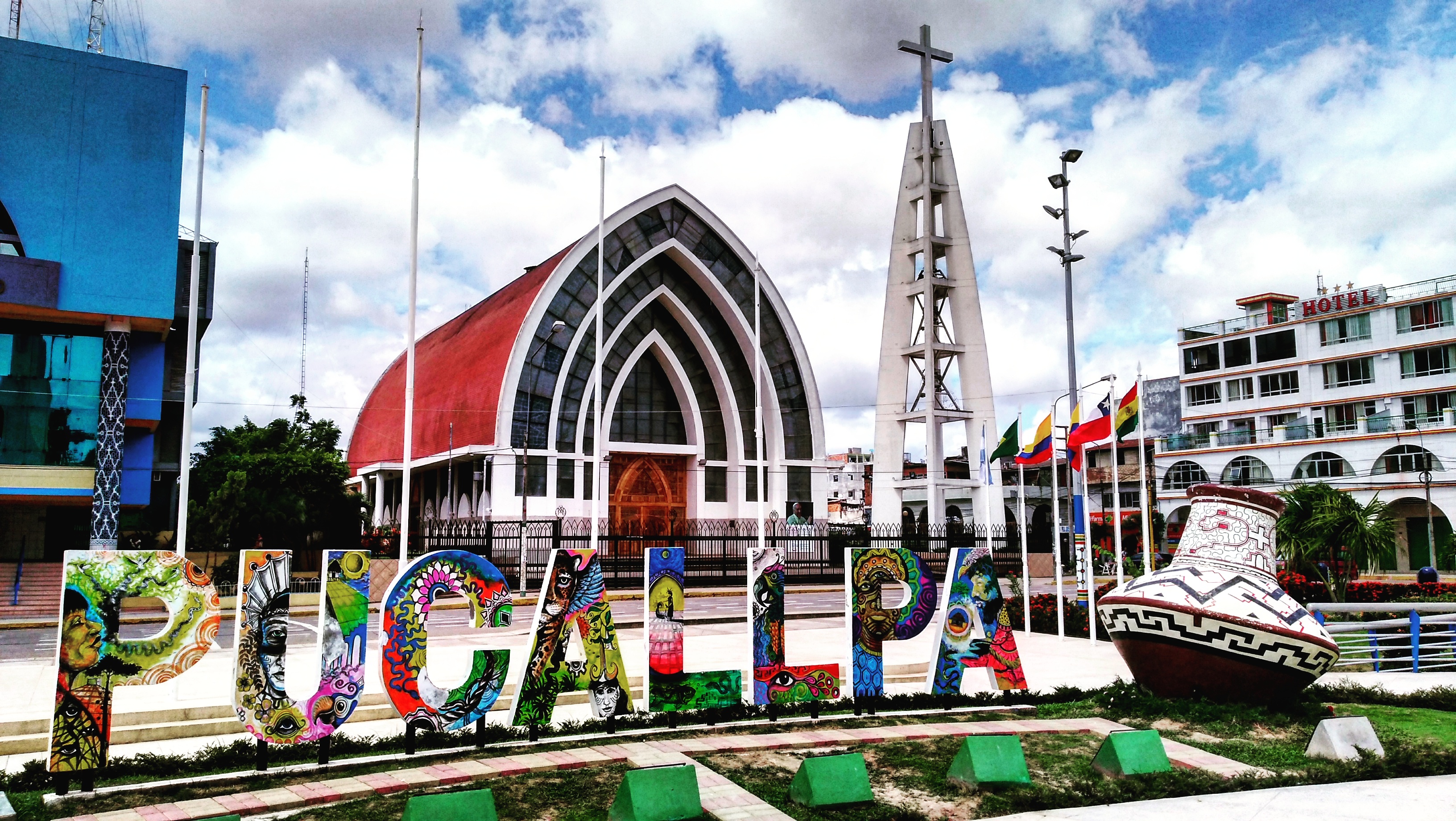
Pucallpa, Peru
Data updated Jun 13, 2026
📊 Scores
Best fit: FIRE / Geoarbitrage (score: 68)
Timber extraction dominates the local economy, alongside fishing, agriculture, and livestock operations that feed Peru's interior markets. The city operates as the Amazon's second-largest river port, moving goods up and down the Ucayali River system, while oil and gas refineries near Pachitea provide industrial jobs. Tourism brings decent money through ecological tours and ayahuasca retreats targeting the growing shamanism market, though work for foreigners remains limited to teaching English, tour guiding, or starting your own venture.
Rent averages $360 monthly for a city center one-bedroom, though expect basic amenities and frequent power outages during rainy season. Public transport relies on mototaxis and combis that cost under $1 per ride, while the airport connects to Lima and limited international routes to Brazil. Healthcare means traveling to Lima for anything serious, and bureaucracy moves at typical Peruvian pace. Spanish is essential—indigenous languages dominate in surrounding communities, and English speakers are rare outside tourist operations.
The tropical rainforest climate means 80%+ humidity year-round with heavy rains from December to March that can flood streets for days. Food centers on river fish, plantains, and jungle fruits, with decent restaurants clustered near the port area. Weekend activities involve river trips, visiting Shipibo communities, or escaping to nearby natural parks, though nightlife is limited to a few bars. This suits adventurous expats seeking authentic Amazon living over modern conveniences.
Estimate the cost of moving to Pucallpa, Peru
Get a free moving cost estimate for moving to Pucallpa, Peru. Takes 10 seconds.
How much are you shipping?
When are you moving?
Powered by Sirelo. Free quotes from verified international movers.
🏚️ Cost of Living
💰 Budgets and Costs
Budgets (excl. rent)
These exclude rent. The tiers above are all-in monthly budgets.
Grocery Basket
Eating Out
Utilities & Lifestyle
Housing
A 1BR in the center runs about $116.45/mo. If your income is in another currency, bank FX fees add up. A multi-currency account can cut that cost.
See low-fee transfersWe may earn a commission at no cost to you.
🛡️ Safety & Crime
(Higher is safer)
(Lower is safer)
Pucallpa feels noticeably less safe than major Peruvian cities, with a palpable street presence of informal economy and transient populations. Daytime walking in central areas is generally manageable, but nighttime movement should be minimal and deliberate. The city lacks the polished infrastructure of Lima or Cusco, and expats report a constant low-level vigilance rather than genuine comfort.
Petty theft and bag snatching are common, especially near markets and bus terminals. Violent crime exists but is less frequent than property crime. Solo female travelers face persistent street harassment and should avoid walking alone after dark. Avoid displaying valuables, use registered taxis only, and stay clear of the port area and outlying neighborhoods where drug trafficking activity is documented.
Pucallpa sits in Peru's Amazon region with documented drug trafficking routes and gang activity, though violence rarely targets foreigners directly. Police presence is inconsistent and corruption is a concern; don't expect reliable institutional support. The city is suitable only for expats with jungle experience, strong Spanish, established local networks, and genuine reasons to be there—not as a retirement or remote work base.
Pucallpa has a safety index of 45/100. Petty theft and lost belongings are the most common problems for newcomers. Compare travel insurance before you go.
Compare travel insuranceWe may earn a commission at no cost to you.
🏥 Healthcare
🌤️ Climate
Best Months
Climate Notes
Pucallpa has a tropical climate with consistently warm temperatures year-round, high humidity, and a distinct wet season (November–March) that brings heavy rainfall and occasional flooding to this Amazon basin city.
💻 Digital Nomad
Community Notes
| Name | Price/mo | Notes |
|---|---|---|
| Oficina Coworking Pucallpa | $60 | A popular local option offering a relaxed atmosphere, Oficina Coworking Pucallpa provides a good balance of affordability and essential amenities. Located in a central area of Pucallpa, it's a convenient choice for digital nomads looking for a community vibe. |
| Coworking Selva | $50 | Coworking Selva offers a budget-friendly option with basic amenities suitable for remote workers. Located in a quieter part of the city, it provides a more focused work environment and is easily accessible. |
Planning to live in Pucallpa long-term? Peru Digital Nomad Visa lets remote workers live legally with a minimum income of $450/month.
View full requirements →Working remotely from Pucallpa? Nomad health insurance covers you across borders, month to month.
See nomad insuranceWe may earn a commission at no cost to you.
🧳 Expat Life
Expat Life Notes
A humid jungle port in the Amazon; expats here are usually researchers or involved in the timber trade.
Pros
- ✓ Amazonian biodiversity
- ✓ Exotic culture
- ✓ Low costs
Cons
- ✗ Extreme humidity
- ✗ Safety issues in region
- ✗ Poor infrastructure
🛂 Visa Options for Peru
Many long-stay visas require proof of health insurance. Compare international health plans before you apply.
Compare health insuranceWe may earn a commission at no cost to you.
Earning over $450/mo? You may qualify for a Peru visa.
Answer 10 questions and get a personalized match in under 2 minutes.
Could living/working in Pucallpa cut years off your work life?
With a 1-bedroom in the center at $116/mo, your FIRE number here might be much lower than you think.
More Cities to Consider instead of Pucallpa
Frequently Asked Questions about Pucallpa
Click any question to expand the answer.
Share This Guide
Pucallpa won't stay this cheap forever.
Cost-of-living and visa updates for Pucallpa and the rest of Peru. Free with RA Postcards.
By submitting your email address, you will receive a free subscription to RA Postcards and special offers from Rewire Abroad and our affiliates. You can unsubscribe at any time, and we encourage you to read more about our Privacy Policy.