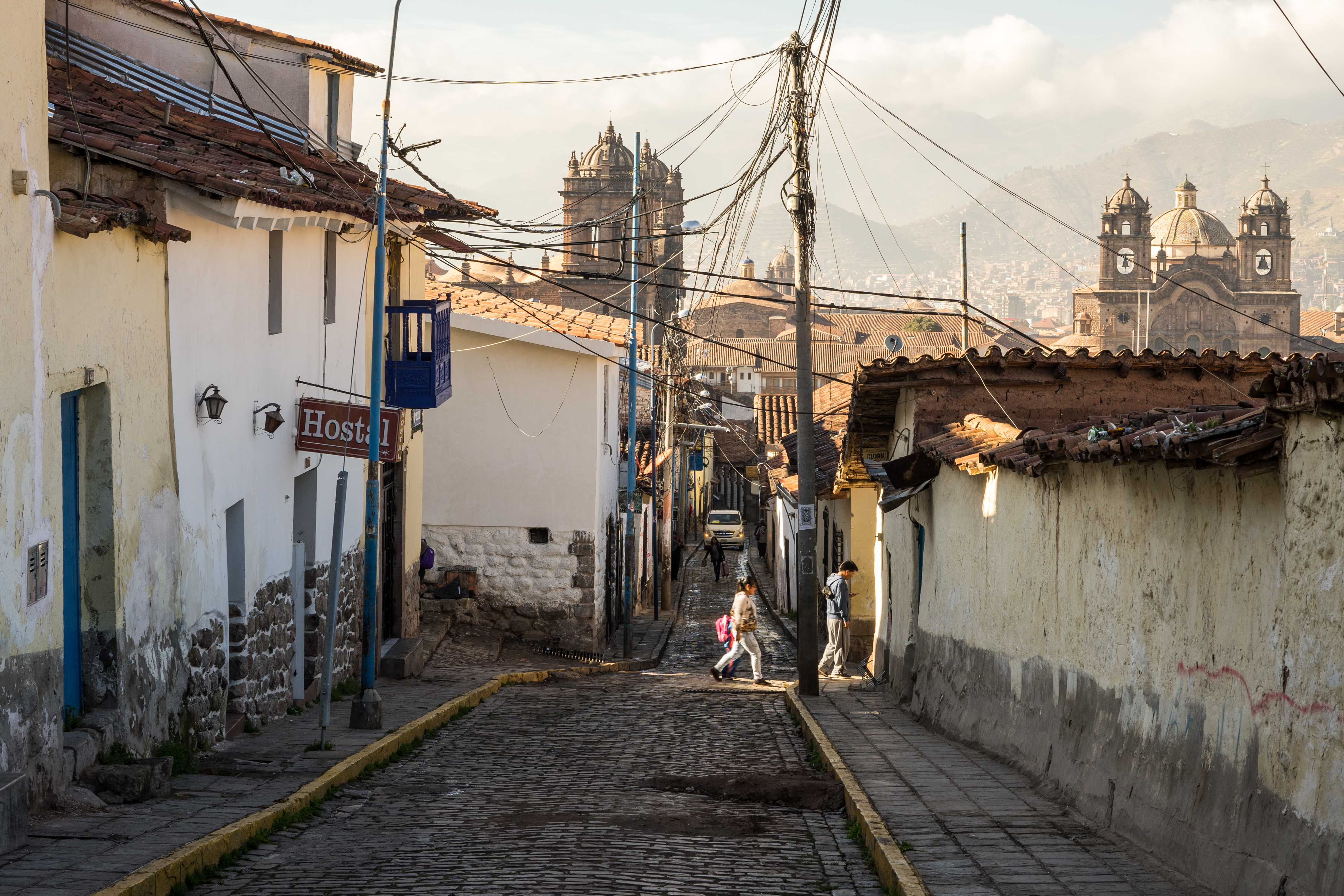
Cusco, Peru
Data updated Sep 29, 2026
📊 Scores
Best fit: FIRE / Geoarbitrage (score: 69)
Tourism drives everything here, employing roughly 40% of the workforce across hotels, restaurants, tour operators, and transport services. The 2+ million annual visitors create steady demand for English-speaking guides, hospitality workers, and service staff, though wages remain low by international standards. Local artisans sell textiles and handicrafts in markets like San Pedro, while a smaller formal sector includes banking and government jobs. Remote workers can find decent internet in cafes, but the economy's tourism dependence means income volatility during off-seasons.
Central apartments run $500/month for a 1BR, dropping to $300-400 in outer neighborhoods, though tourist areas command premium prices. The 11,200-foot altitude hits hard initially — expect headaches and fatigue for your first week while acclimatizing. Public transport costs under $0.30 per ride, but combis (shared vans) are cramped and chaotic. Healthcare is basic outside private clinics. Spanish is essential; Quechua dominates in markets. Bureaucracy moves slowly, and tourist-focused pricing inflates daily costs significantly.
The high-altitude climate means cool temperatures year-round, with a distinct dry season from May to September that's perfect for hiking. Food centers on hearty Andean staples like quinoa, potatoes, and cuy (guinea pig), plus decent international options in the tourist zone. Weekend activities revolve around incredible archaeology sites, trekking, and day trips to Sacred Valley markets. The expat community is small but active, mostly digital nomads and gap-year travelers. This works best for altitude-tolerant adventurers who don't mind tourist crowds and can handle bureaucratic patience.
🏚️ Cost of Living
💰 Budgets and Costs
Grocery Basket
Eating Out
Utilities & Lifestyle
Housing
A 1BR in the center runs about $145.57/mo. If your income is in another currency, bank FX fees add up. A multi-currency account can cut that cost.
See low-fee transfersWe may earn a commission at no cost to you.
💰 Real Spend Reports
🛡️ Safety & Crime
(Higher is safer)
(Lower is safer)
Cusco feels moderately safe for expats during daylight hours, especially in the historic center and tourist zones. Walking around the Plaza de Armas and nearby colonial streets is generally comfortable. However, nighttime safety requires caution—avoid walking alone after dark, particularly in less-trafficked areas. The city's high altitude and tourist infrastructure create a relatively secure bubble, but this shouldn't breed complacency.
Petty theft and pickpocketing are the primary concerns, especially on crowded buses, markets, and in tourist areas. Bag snatching and phone theft occur regularly. Violent crime against expats is uncommon but not unheard of. Avoid displaying expensive jewelry, cameras, or large amounts of cash. Solo female travelers should exercise standard precautions; harassment is occasional but manageable. The neighborhoods of San Blas and Magisterio are generally safer than peripheral areas like Ttio or Cuzco Viejo.
Peru's political environment is relatively stable, though occasional protests and strikes can disrupt transportation and commerce. Police presence is visible but corruption exists; avoid confrontations and keep documentation handy. Cusco's economy depends heavily on tourism, incentivizing local safety efforts. For Americans considering relocation, the city is reasonably secure for long-term living if you adopt local awareness habits and avoid risky behaviors. It's safer than Lima but requires more vigilance than many North American cities.
Cusco has a safety index of 55/100. Petty theft and lost belongings are the most common problems for newcomers. Compare travel insurance before you go.
Compare travel insuranceWe may earn a commission at no cost to you.
🏥 Healthcare
🌤️ Climate
Best Months
Climate Notes
Cusco has a mild, dry climate year-round at 3,400m altitude with cool winters (May-August) and warmer, wetter summers (November-March), requiring layers and sun protection.
💻 Digital Nomad
Community Notes
| Name | Price/mo | Notes |
|---|---|---|
| Llama Lab Coworking | $120 | A popular choice among digital nomads, Llama Lab offers a friendly atmosphere, fast internet, and a central location in Cusco's historic district. They host regular events and workshops, making it easy to connect with other remote workers. |
| Worq Station | $100 | Located close to the Plaza de Armas, Worq Station provides a professional environment with comfortable workstations, meeting rooms, and printing facilities. It's a good option for those seeking a more structured coworking experience. |
| Impact Hub Cusco | $90 | Part of a global network, Impact Hub Cusco focuses on social impact and sustainability. It's located near San Blas and offers a collaborative space for entrepreneurs and remote workers interested in purpose-driven projects. |
| Casa Colibri | $80 | Casa Colibri is a co-living and coworking space that offers a more community-focused experience. Located a bit outside the city center, it provides a tranquil environment with shared meals and activities, ideal for those seeking a more immersive experience. |
Planning to live in Cusco long-term? Peru Digital Nomad Visa lets remote workers live legally with a minimum income of $450/month.
View full requirements →Working remotely from Cusco? Nomad health insurance covers you across borders, month to month.
See nomad insuranceWe may earn a commission at no cost to you.
🧳 Expat Life
Expat Life Notes
Cusco is a major global tourist and spiritual hub with a vibrant expat population.
Pros
- ✓ Unparalleled culture
- ✓ Amazing history
- ✓ Vibrant social scene
Cons
- ✗ Mass tourism
- ✗ Extreme altitude sickness risk
- ✗ Poor infrastructure reliability
🛂 Visa Options for Peru
Many long-stay visas require proof of health insurance. Compare international health plans before you apply.
Compare health insuranceWe may earn a commission at no cost to you.
Living on investment or passive income? Peru Retirement Visa (Rentista) may be the right fit — minimum $1,000/month required.
View full requirements →Earning over $450/mo? You may qualify for a Peru visa.
Answer 10 questions and get a personalized match in under 2 minutes.
Could living/working in Cusco cut years off your work life?
With a 1-bedroom in the center at $116/mo, your FIRE number here might be much lower than you think.
Estimate the cost of moving to Cusco, Peru
Get a free moving cost estimate for moving to Cusco, Peru. Takes 10 seconds.
How much are you shipping?
When are you moving?
Powered by Sirelo. Free quotes from verified international movers.
Share This Guide
Cusco won't stay this cheap forever.
Cost-of-living and visa updates for Cusco and the rest of Peru. Free with RA Postcards.
By submitting your email address, you will receive a free subscription to RA Postcards and special offers from Rewire Abroad and our affiliates. You can unsubscribe at any time, and we encourage you to read more about our Privacy Policy.