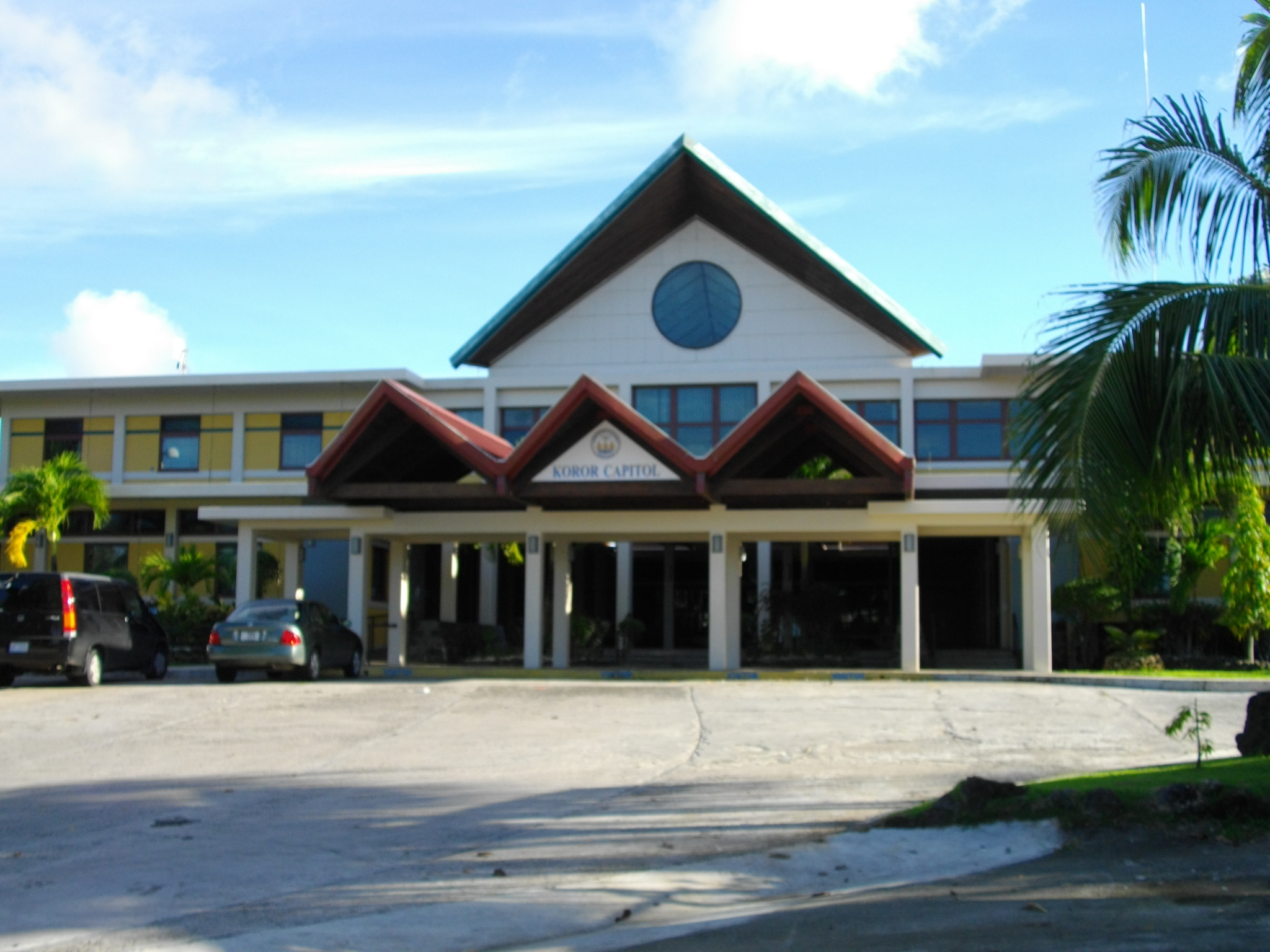
Koror, Palau
Data updated Sep 3, 2026
📊 Scores
Best fit: Digital Nomad (score: 68)
Tourism and government jobs dominate Koror's economy—resorts, hotels, restaurants, and dive operators employ most working expats, while locals fill government positions. Tuna export and copra production provide secondary income, but the private sector is thin. If you're not in hospitality, tourism, or government contracting, job prospects are limited. Most expats here either own businesses, work remotely, or are on government contracts.
A 1-bedroom in the city center runs $525/month; utilities add $80–120. Healthcare is basic—serious issues require evacuation to Guam or Manila. English is widely spoken, so language isn't a barrier. Bureaucracy is manageable for residency but slow; expect 4–8 weeks for permits. Public transport is minimal; a car or scooter is essential. Internet is reliable but pricey ($60–80/month for decent speeds).
Expect relentless heat and humidity—90°F+ days have doubled since the 1960s, and rainfall is heavy year-round. Food is expensive (imported goods dominate) and limited in variety. The expat community is small and transient, mostly dive instructors and resort staff. Weekends revolve around diving, snorkeling, island-hopping, and the few bars. Koror suits remote workers, dive enthusiasts, or those seeking isolation—not people seeking urban amenities or career growth.
🏚️ Cost of Living
💰 Budgets and Costs
Grocery Basket
Eating Out
Utilities & Lifestyle
Housing
A 1BR in the center runs about $725/mo. If your income is in another currency, bank FX fees add up. A multi-currency account can cut that cost.
See low-fee transfersWe may earn a commission at no cost to you.
💰 Real Spend Reports
🛡️ Safety & Crime
(Higher is safer)
(Lower is safer)
Koror is genuinely one of the safest places in the Pacific for expats. The small population, tight-knit community, and strong social cohesion mean violent crime is extremely rare. Walking at night is generally safe, though the town is quiet after dark—more due to limited nightlife than danger. Petty theft exists but is uncommon compared to regional peers. Most expats report feeling secure in daily routines.
Property crime (theft from vehicles, homes) occurs occasionally, particularly opportunistic theft rather than organized crime. Scams are minimal given the small economy. Solo female travelers and residents face minimal gender-based harassment. Avoid leaving valuables visible in vehicles or unattended. Drunk driving can be a concern on weekends. The main risk is complacency—standard precautions (locked doors, awareness) remain sensible.
Palau is politically stable with reliable police and no significant corruption issues affecting expats. The government is democratic and pro-American. No protest activity or civil unrest threatens residents. Police response is generally professional. The primary consideration is isolation: medical emergencies require evacuation to Guam or Manila, and typhoon season (June–November) poses infrastructure risks. For Americans seeking a genuinely safe, quiet retirement or remote work base, Koror is an excellent choice—just prepare for limited amenities and high costs.
🏥 Healthcare
🌤️ Climate
Best Months
Climate Notes
Koror has a tropical climate with consistently warm temperatures year-round, high humidity, and a wet season from May to November with frequent typhoons.
💻 Digital Nomad
Community Notes
| Name | Price/mo | Notes |
|---|---|---|
| Palau Co-working Space | $150 | A community-focused coworking space catering to digital nomads and remote workers. Located in the heart of Koror, it offers a collaborative environment with essential amenities and networking opportunities. |
| Neco Marine | $200 | While primarily a dive shop and resort, Neco Marine offers a relaxed atmosphere with reliable internet and workspace options. It's ideal for those who want to combine work with diving and enjoying Palau's natural beauty; located near Malakal Harbor. |
Working remotely from Koror? Nomad health insurance covers you across borders, month to month.
See nomad insuranceWe may earn a commission at no cost to you.
🧳 Expat Life
Could living/working in Koror cut years off your work life?
With a 1-bedroom in the center at $290/mo, your FIRE number here might be much lower than you think.
Moving to Koror? Estimate what an international move would cost and compare mover quotes.
Estimate my move costShare This Guide
Koror won't stay this cheap forever.
Cost-of-living and visa updates for Koror and the rest of Palau. Free with RA Postcards.
By submitting your email address, you will receive a free subscription to RA Postcards and special offers from Rewire Abroad and our affiliates. You can unsubscribe at any time, and we encourage you to read more about our Privacy Policy.