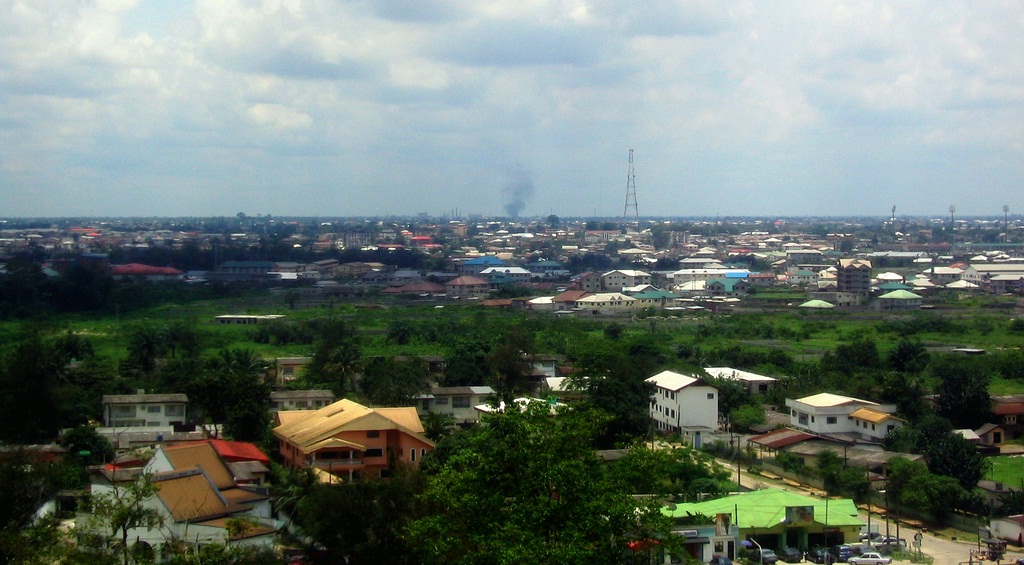
Port Harcourt, Nigeria
Data updated Sep 29, 2026
📊 Scores
Best fit: FIRE / Geoarbitrage (score: 63)
Oil runs everything here. Shell, Chevron, and Agip have operated in Port Harcourt since Nigeria's first crude export in 1958, and the petroleum sector still dominates employment, contracts, and the entire economic mood of the city. If you're not in oil and gas — engineering, logistics, HSE, finance, or legal services tied to it — your options narrow fast. The University of Port Harcourt and Rivers State University produce graduates, but the job market outside energy is thin. Expats who land here are almost always on oil company packages or NGO contracts.
A one-bedroom in the city center runs around $500/month, which sounds reasonable until you factor in the generator fuel, security, and estate fees that make real monthly costs significantly higher — budget closer to $800–1,000 all-in for a livable setup. Healthcare is a genuine concern: private clinics exist but serious conditions typically mean medical evacuation to Lagos or abroad. Traffic is brutal and largely unplanned. English is the official language and widely spoken, which removes one friction point, but bureaucracy around residency and business registration is slow and opaque by design.
The climate is relentless — hot, humid, and wet for most of the year, with heavy rainfall from April through October that regularly floods roads and disrupts daily life. The food scene is genuinely good if you eat Nigerian: bole and fish by the roadside, pepper soup, fresh seafood from the delta. Nightlife exists and is lively in GRA and D-Line neighborhoods. The expat community is real but insular, mostly oil workers living in secured compounds with limited integration into local life. Port Harcourt suits people on structured corporate expat packages who want Nigeria's economic center without Lagos's scale — it's not a lifestyle destination, it's a work posting.
🏚️ Cost of Living
💰 Budgets and Costs
Grocery Basket
Eating Out
Utilities & Lifestyle
Housing
A 1BR in the center runs about $148.84/mo. If your income is in another currency, bank FX fees add up. A multi-currency account can cut that cost.
See low-fee transfersWe may earn a commission at no cost to you.
💰 Real Spend Reports
🛡️ Safety & Crime
(Higher is safer)
(Lower is safer)
Port Harcourt has a challenging safety reputation that largely reflects reality. Daytime movement in commercial and residential areas is generally manageable, but nighttime walkability is severely limited. Most expats rely on private transportation and avoid being out after dark. The city feels tense rather than welcoming, with visible security presence and gated compounds being the norm. Your day-to-day experience depends heavily on which neighborhood you choose and your adherence to local safety protocols.
Armed robbery, carjacking, and kidnapping for ransom remain genuine concerns, particularly targeting perceived wealthy individuals and foreigners. Petty theft and pickpocketing occur frequently in markets and crowded areas. Scams targeting expats include fake police stops and advance-fee schemes. Solo female travelers face elevated harassment and safety risks. The oil industry presence attracts criminal networks. Avoid displaying wealth, traveling alone at night, and certain neighborhoods like Diobu and parts of Rumuola. Use trusted drivers and stay in secure residential compounds.
Nigeria's political environment includes periodic unrest, though Port Harcourt has been relatively stable compared to northern regions. Police corruption is widespread—bribery at checkpoints is common, and police reliability for genuine emergencies is questionable. The Niger Delta's history of oil-related conflict and militancy creates underlying tension. For Americans considering relocation, Port Harcourt is viable only with strong security awareness, employer support, and acceptance of restricted movement. It suits those with oil/gas industry ties and security-conscious mindsets, not those seeking a relaxed retirement lifestyle.
Port Harcourt has a safety index of 35/100. Petty theft and lost belongings are the most common problems for newcomers. Compare travel insurance before you go.
Compare travel insuranceWe may earn a commission at no cost to you.
🏥 Healthcare
🌤️ Climate
Best Months
Climate Notes
Tropical monsoon climate with heavy rainfall and high humidity year-round.
💻 Digital Nomad
Community Notes
| Name | Price/mo | Notes |
|---|---|---|
| C Hub Nigeria | $75 | Located in the GRA area, C Hub offers a professional environment with reliable internet, meeting rooms, and a supportive community. It's a good option for expats seeking a structured workspace. |
| Workbay Port Harcourt | $90 | Situated in a central area of Port Harcourt, Workbay provides a modern coworking space with various membership options. They offer amenities like high-speed internet, printing services, and networking opportunities, making it suitable for digital nomads. |
| Regus Port Harcourt, Shell Location | $150 | Located within the Shell complex, this Regus center provides a secure and professional environment. It offers fully equipped offices, meeting rooms, and business support services, appealing to expats seeking a globally recognized brand. |
| Creek Studios | $60 | Creek Studios offers a creative and collaborative workspace in Port Harcourt. With a focus on supporting entrepreneurs and freelancers, it provides a vibrant atmosphere with amenities like high-speed internet and event spaces. |
Working remotely from Port Harcourt? Nomad health insurance covers you across borders, month to month.
See nomad insuranceWe may earn a commission at no cost to you.
🧳 Expat Life
Expat Life Notes
Nigeria's oil hub offers high salaries but is largely restricted to secure compounds due to safety risks.
Pros
- ✓ Native English
- ✓ Booming energy sector jobs
- ✓ Vibrant nightlife in safe areas
Cons
- ✗ High security risk (kidnapping/crime)
- ✗ Expensive for expats
- ✗ Poor public infrastructure
Could living/working in Port Harcourt cut years off your work life?
With a 1-bedroom in the center at $149/mo, your FIRE number here might be much lower than you think.
Moving to Port Harcourt? Estimate what an international move would cost and compare mover quotes.
Estimate my move costShare This Guide
Port Harcourt won't stay this cheap forever.
Cost-of-living and visa updates for Port Harcourt and the rest of Nigeria. Free with RA Postcards.
By submitting your email address, you will receive a free subscription to RA Postcards and special offers from Rewire Abroad and our affiliates. You can unsubscribe at any time, and we encourage you to read more about our Privacy Policy.