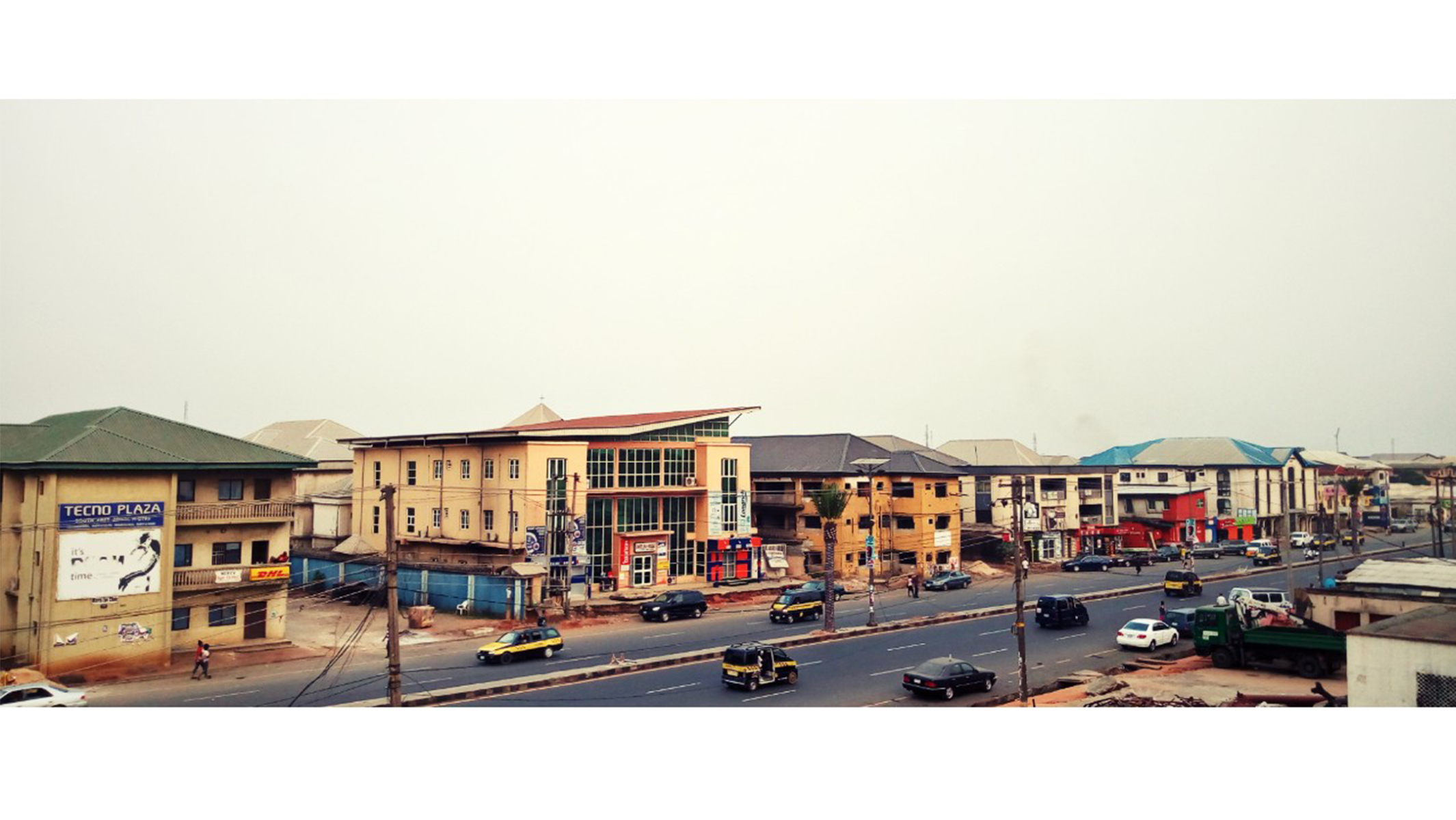
Owerri, the capital of Imo State in southeastern Nigeria, sits at an elevation of 91 meters above sea level in a tropical climate zone. The city, with a population of 908 thousand, operates on Africa/Lagos time. Expatriates tend to settle in the Ikenegbu and Aladinma neighborhoods, drawn by their relative convenience and established communities.
Living costs in Owerri are modest compared to Western standards, with a cost of living index of 30 out of 100 (New York City = 100). A one-bedroom apartment in the city center rents for $250 per month, while outside the center the same unit costs $180. For a three-bedroom, expect $550 per month in the center and $400 outside it. A single adult's monthly expenses excluding rent average $380, while a family of four spends about $1,150 per month excluding rent. Overall, a single adult can live on a budget of $750 per month (rent included), a mid-range lifestyle runs $1,300 per month, and a comfortable tier costs $2,200 per month.
Safety in Owerri presents a mixed picture: the safety index stands at 50 out of 100, and the crime index is 48 (lower is safer). Healthcare quality is rated as fair. The air quality index is 70 (lower is better), indicating moderate pollution levels. Expatriates should plan accordingly and secure comprehensive health insurance.
Nigeria offers a Retirement Visa (Retiree from Abroad) program requiring a minimum investment of N5 billion. The nearest major airport is PHC, located 78 kilometers from the city. Owerri earns an overall expat score of 72 out of 100, with a strong FIRE score of 82, making it attractive for those pursuing financial independence. The retiree score is 58, and the digital nomad score is 56. English proficiency is limited, and the expat community is small, so newcomers should prepare for a more immersive cultural experience.