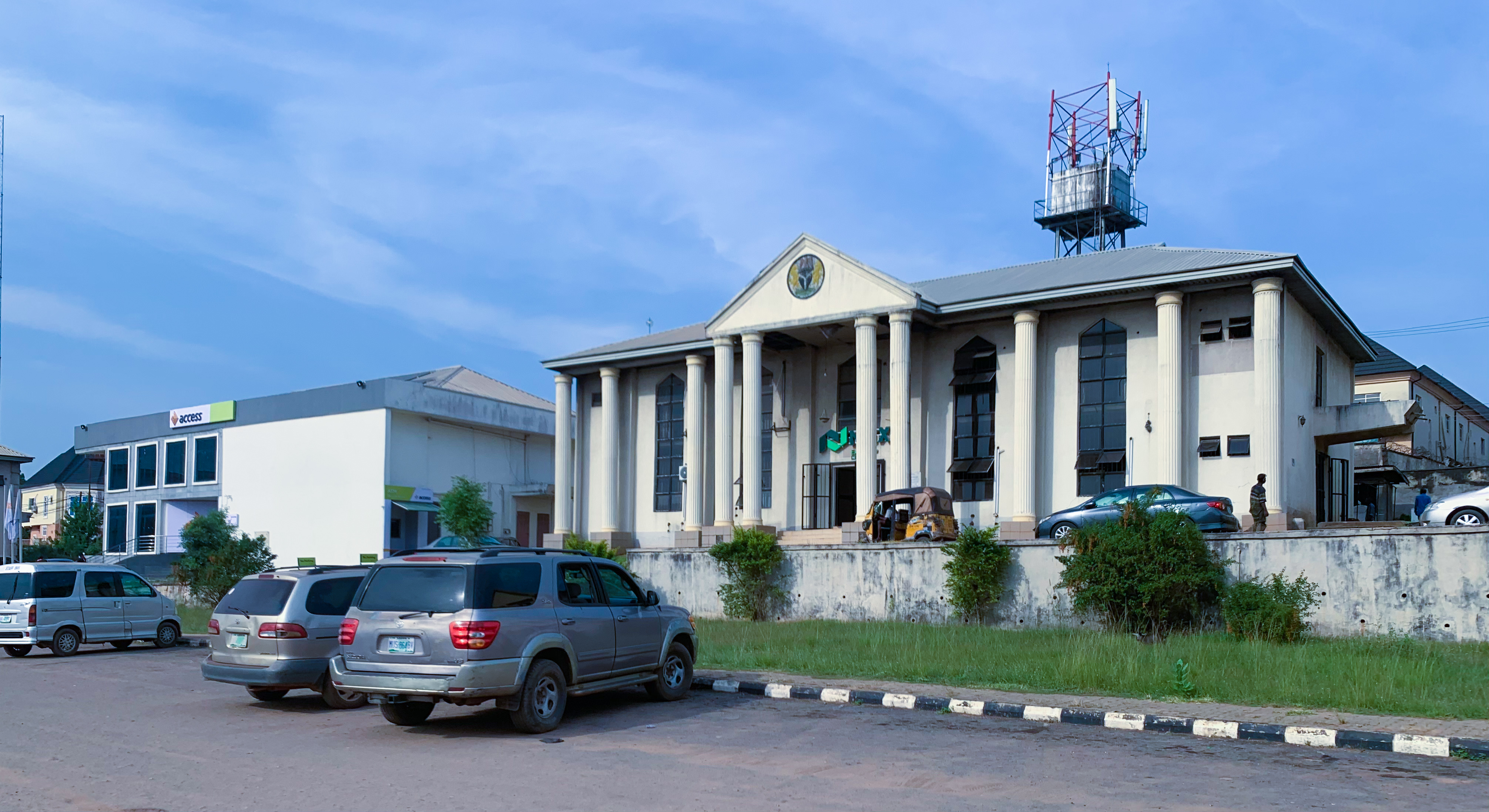
Onitsha, Nigeria
Data updated Sep 29, 2026
📊 Scores
Best fit: FIRE / Geoarbitrage (score: 68)
Commerce is the entire point of Onitsha. The Onitsha Main Market — one of Africa's largest open-air markets — drives an economy built almost entirely on wholesale and retail trade, with goods ranging from textiles and pharmaceuticals to electronics and agricultural products flowing in and out daily. There are no major multinationals headquartered here, no tech sector, no formal expat job market to speak of. Traders, importers, logistics operators, and small manufacturers are who earns money in this city. Remote workers can survive here financially, but don't arrive expecting a professional network.
A one-bedroom in the city center runs around $200/month, which is genuinely low even by Nigerian standards — Lagos would charge three to five times that. Informal okada (motorcycle taxis) and minibuses handle most movement, but traffic congestion is severe and worsens yearly with rapid urbanization. Healthcare infrastructure is limited; serious medical issues mean traveling to Enugu or Lagos. Igbo is the dominant language and English is functional for business, but bureaucratic processes are slow, paper-heavy, and relationship-dependent. Expect friction on anything requiring official documentation.
The climate is hot and humid year-round, with heavy rainfall from April through October that regularly floods roads and disrupts daily logistics — this is not a minor inconvenience. The food scene is strong on Igbo staples: ofe onugbu, oha soup, fresh Niger River fish. Social life centers on markets, churches, and family networks rather than bars or expat meetups. The foreign expat community is extremely small; most outsiders here are Nigerian traders from other regions. Onitsha suits location-independent entrepreneurs or researchers with a specific reason to be embedded in West African trade networks — not lifestyle seekers.
🏚️ Cost of Living
💰 Budgets and Costs
Grocery Basket
Eating Out
Utilities & Lifestyle
Housing
A 1BR in the center runs about $217.47/mo. If your income is in another currency, bank FX fees add up. A multi-currency account can cut that cost.
See low-fee transfersWe may earn a commission at no cost to you.
💰 Real Spend Reports
🛡️ Safety & Crime
(Higher is safer)
(Lower is safer)
Onitsha has a reputation as one of Nigeria's rougher cities, and that reputation is largely justified. Day-to-day life involves constant vigilance—petty theft and armed robbery occur regularly, especially after dark. Walkability at night is poor; most expats rely on private transport. The city feels chaotic and densely crowded, which compounds security concerns. However, expats living in secured compounds with drivers report managing reasonably well, though the baseline risk is notably higher than Western cities.
Common threats include armed robbery, carjacking, and sophisticated advance-fee scams targeting foreigners. Pickpocketing and bag snatching are frequent in markets and crowded areas. Solo female travelers face heightened harassment and safety risks. The Onitsha Main Market and waterfront areas are particularly dangerous after dark. Kidnapping for ransom, while not epidemic, does occur and targets wealthy individuals. Police presence is visible but corruption is widespread, limiting their reliability as a protective resource.
Onitsha sits in a region with periodic communal tensions and occasional political unrest. Police-community relations are strained, and bribery is routine. The city's economy relies heavily on informal trade, which attracts criminal networks. For an American considering relocation here, this is a high-risk choice unless you have strong local connections, security infrastructure, and genuine business reasons. Remote workers and retirees should seriously consider safer Nigerian alternatives like Lagos's upscale enclaves or entirely different countries.
Onitsha has a safety index of 44/100. Petty theft and lost belongings are the most common problems for newcomers. Compare travel insurance before you go.
Compare travel insuranceWe may earn a commission at no cost to you.
🏥 Healthcare
🌤️ Climate
Best Months
Climate Notes
Tropical wet and dry climate with high year-round humidity.
💻 Digital Nomad
Community Notes
| Name | Price/mo | Notes |
|---|---|---|
| Workbay Innovation Hub | $50 | Located in the Government Reserved Area (GRA) of Onitsha, Workbay offers a professional environment with stable internet, power, and meeting rooms. It's a good option for expats seeking a reliable workspace in a more upscale area. |
| Roothub Onitsha | $40 | Roothub is a popular innovation hub with locations across Nigeria. The Onitsha location provides a collaborative atmosphere, mentorship programs, and resources for startups and freelancers, making it suitable for those seeking community. |
| Dezign Arena | $30 | Dezign Arena provides a creative coworking space with a focus on design and technology. It's located in a central area of Onitsha and offers a vibrant atmosphere, ideal for digital nomads looking to connect with local creatives. |
Working remotely from Onitsha? Nomad health insurance covers you across borders, month to month.
See nomad insuranceWe may earn a commission at no cost to you.
🧳 Expat Life
Expat Life Notes
Onitsha is a massive commercial hub with high energy but lacks standard expat-friendly residential infrastructure.
Pros
- ✓ Centric to West African trade
- ✓ Lively markets
- ✓ Strong entrepreneurial spirit
Cons
- ✗ Severe traffic congestion
- ✗ High pollution levels
- ✗ Security concerns
Could living/working in Onitsha cut years off your work life?
With a 1-bedroom in the center at $217/mo, your FIRE number here might be much lower than you think.
Estimate the cost of moving to Onitsha, Nigeria
Get a free moving cost estimate for moving to Onitsha, Nigeria. Takes 10 seconds.
How much are you shipping?
When are you moving?
Powered by Sirelo. Free quotes from verified international movers.
Share This Guide
Onitsha won't stay this cheap forever.
Cost-of-living and visa updates for Onitsha and the rest of Nigeria. Free with RA Postcards.
By submitting your email address, you will receive a free subscription to RA Postcards and special offers from Rewire Abroad and our affiliates. You can unsubscribe at any time, and we encourage you to read more about our Privacy Policy.