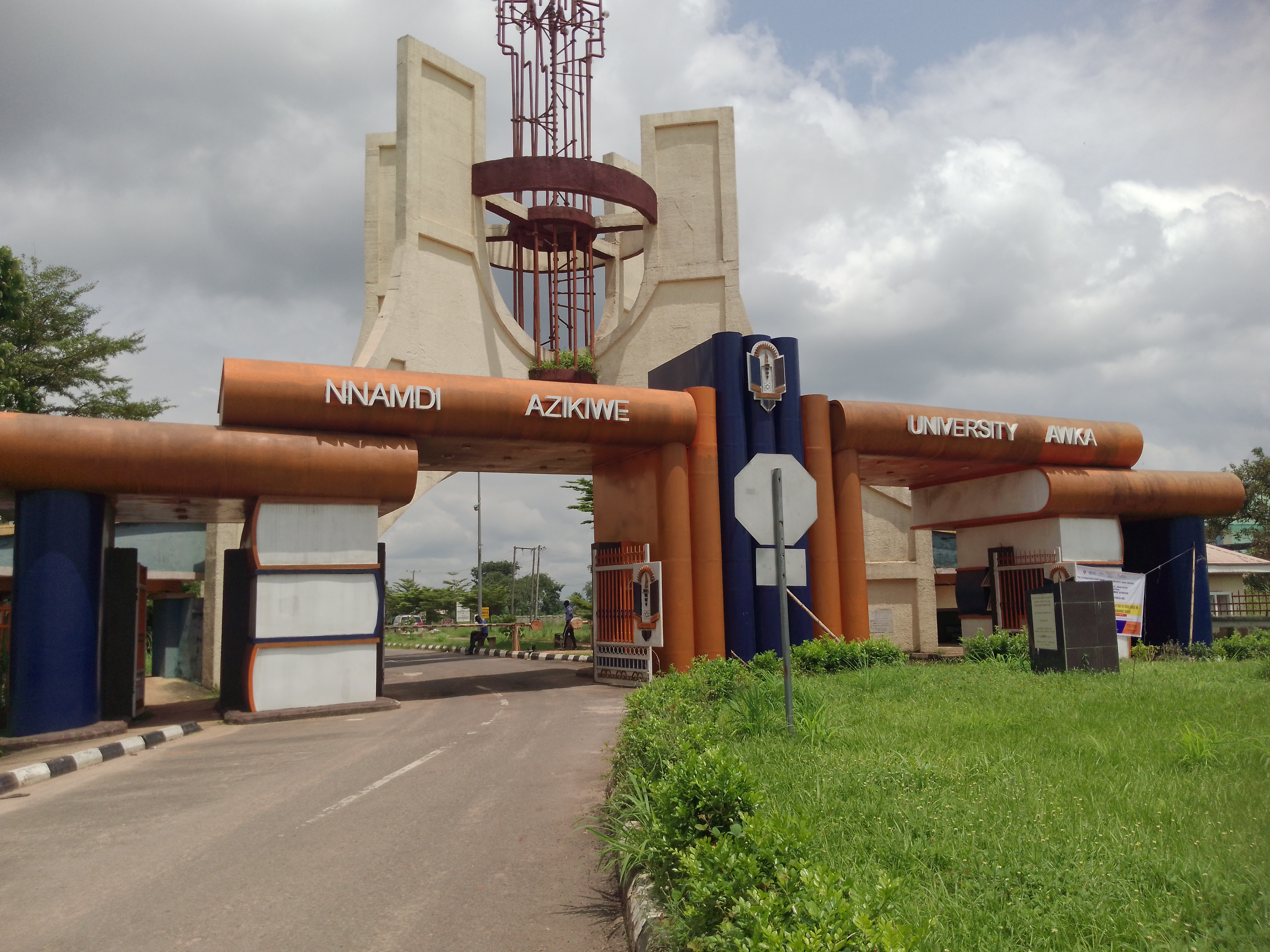
Awka sits in southeastern Nigeria at an elevation of 137 meters above sea level, in a tropical climate zone. The city is home to about 302,000 people and operates on Africa/Lagos time. Most expats who settle here choose the GRA neighborhood, which is the most popular area for foreigners. The nearest airport is ENU, located 22 kilometers away.
Living costs in Awka are low by international standards. A single adult can live on a budget of $750 per month including rent, while a mid-range lifestyle costs about $1,300 per month and a comfortable lifestyle runs around $2,200 per month. Excluding rent, a single person spends roughly $400 per month and a family of four spends about $1,200 per month. Rents are affordable: a one-bedroom in the city center goes for $250 per month, and outside the center it is $180 per month. A three-bedroom in the center costs $580 per month, while outside the center it is $400 per month. Internet service is $19 per month, a mobile phone plan is $4 per month, and a gym membership is $15 per month. Eating out is inexpensive: a meal at an inexpensive restaurant costs $1 per person, a three-course meal for two at a mid-range restaurant is $23, and a cappuccino is $3. The cost of living index is 31 out of 100 (New York City = 100).
Safety is a concern in Awka. The safety index is 45 out of 100, and the crime index is 55 out of 100 (lower is safer). Healthcare quality is rated as poor. The air quality index is 68, which is moderate. English proficiency among locals is limited, and the expat community is very few in number.
Nigeria offers a Retirement Visa program called Retiree from Abroad, which requires a deposit of N5B. The nearest airport is ENU, 22 kilometers away. Awka suits budget-conscious travelers and retirees who can handle limited English and a small expat community, but it may not be ideal for digital nomads or those seeking high-quality healthcare.
Estimate the cost of moving to Awka, Nigeria
Get a free moving cost estimate for moving to Awka, Nigeria. Takes 10 seconds.
How much are you shipping?
When are you moving?
Powered by Sirelo. Free quotes from international movers.
🏚️ Cost of Living
💰 Budgets and Costs
A category breakdown is not available for Awka yet. We publish a breakdown only when every category can be priced from local data, rather than showing figures we cannot stand behind.
Rent, 1 bedroom in the centre
$250/mo
Living costs, excluding rent
$400/mo
Still needed for a full breakdown: grocery prices and utility bills.
Awka is the capital of Anambra State and generally safer than many Nigerian cities, though it requires realistic expectations. Daytime movement is relatively normal for expats, but nighttime walkability is limited—most residents use vehicles after dark. The city has a commercial, business-oriented character that reduces some street-level chaos, but it's not a place where you'll feel the casual freedom of a Western city.
Petty theft, phone snatching, and armed robbery remain concerns, particularly in crowded markets and less-developed areas. Scams targeting foreigners are common, especially financial schemes and fake business opportunities. Solo female travelers face harassment and should avoid isolated areas. The Onitsha-Awka corridor has higher crime rates; stay vigilant in Eke Awka market and surrounding neighborhoods. Police presence is visible but corruption is endemic, so don't rely on law enforcement as a safety net.
Anambra State has experienced communal tensions and occasional political unrest, though Awka itself is relatively stable compared to northern Nigeria. Police-community relations are strained, and bribery is routine. For an American considering relocation, Awka is feasible for remote work with proper precautions—secure housing, reliable transportation, and local networks—but it demands constant situational awareness. This is not a retirement destination for those seeking peace of mind; it's viable only for adaptable, security-conscious expats.
Awka has a safety index of 45/100. Petty theft and lost belongings are the most common problems for newcomers. Compare travel insurance before you go.
Awka has a tropical climate with high humidity year-round, warm temperatures, and a pronounced rainy season (May–October) that brings heavy downpours and occasional flooding.
💻 Digital Nomad
Avg Internet Speed
10.4 Mbps
Internet (monthly)
$19/mo
Coworking Availability
None
Coworking Spaces Nearby
0
Digital Nomad Score
34/100
Community Notes
Awka's infrastructure is developing with a growing interest in tech.
Located in the Awka city center, De-Gees Concept Hub offers a basic but functional workspace with reliable internet, power supply, and a supportive community. It's a good option for budget-conscious digital nomads looking for a no-frills environment.
Connect Hub provides a more professional coworking environment in Awka, offering amenities like meeting rooms, printing services, and potentially mentorship programs. It's suitable for remote workers who need a more structured and business-oriented setting.
While Nhub's main location is in Jos, they often partner with hubs in other cities. Check if they have a partner location in Awka. If so, it would offer a connection to a larger network and potentially more resources.
See how Awka's digital nomad life compares with Ado-ekiti
🧳 Expat Life
English Proficiency
Limited
Expat Community
Very Few
Top Neighborhoods
GRA
Banks Nearby
1
ATMs Nearby
0
Expat Life Notes
Awka is a developing state capital. Foreign presence is minimal and mostly linked to academic or government missions.
Pros
✓ Authentic culture
✓ Safe relative to the north
Cons
✗ Basic infrastructure
✗ Limited international social life
✗ High humidity
🏘️ Neighborhoods in Awka
Areas of Awka that expats often consider.
Conditions can change from one block to the next, and these descriptions are general guides, not safety assessments. Before choosing where to stay or live, check current travel advisories, talk to people who live there, and visit in person if you can.
GRA (Government Residential Area)
Upscale, quiet, residential haven
The GRA is known for its well-maintained streets, larger properties, and relative quiet. It's popular with government officials, business executives, and some expats. While walkable in some sections, a car is generally needed. Power outages can still occur, but are less frequent than in other areas.
Awka Town (Central Area)
Bustling, commercial, local life
This is the heart of Awka, with markets, shops, and transportation hubs. It's very lively and offers a truly Nigerian experience. However, it can be crowded, noisy, and less secure. English is spoken, but Igbo is dominant. Not ideal for expats seeking peace and quiet.
Nkwelle Ezunaka
Developing, residential, affordable living
Located on the outskirts of Awka, Nkwelle Ezunaka offers more affordable housing options. It's a developing area with ongoing construction. Transportation relies heavily on local buses and okadas (motorcycle taxis). Limited amenities and infrastructure make it less suitable for expats seeking convenience.
Unizik Temp Site
Student-focused, lively, budget-friendly
Close to Nnamdi Azikiwe University (UNIZIK), this area is dominated by student housing and businesses catering to students. It's a vibrant area with affordable food and accommodation. Expect noise and traffic. Not particularly expat-oriented, but good for budget-conscious individuals seeking a lively atmosphere.
Amansea
Rural, quiet, agricultural area
Amansea is a more rural area on the outskirts of Awka, known for its agricultural activities. It offers a quieter lifestyle but lacks amenities and infrastructure. Transportation is limited. Suitable only for those seeking a very basic and rural Nigerian experience.
Ifite Awka
Residential, developing, university-adjacent
Another area near UNIZIK, Ifite Awka is primarily residential and experiencing rapid development. It's a mix of student housing and family homes. While more developed than Amansea, it still lacks some amenities. Transportation is mainly by local buses and okadas.
Page 1 of 2
Could living/working in Awka cut years off your work life?
With a 1-bedroom in the center at $250/mo, your FIRE number here might be much lower than you think.
Awka has a population of approximately 301,657 people.
A single person can expect to spend around $625 per month in Awka, including rent. A 1-bedroom apartment in the city center costs approximately $250/month.
The nearest airport to Awka is ENU, approximately 22.4km away.
Awka is considered moderate in terms of safety, with a safety index of 45.0. As with any city abroad, expats should research specific neighborhoods before committing to a location.
Awka has an average internet speed of 10.4 Mbps. It is not yet considered a well-established digital nomad destination.
Awka is relatively safer than Lagos or Port Harcourt but still requires caution. Petty crime exists, and the safety index of 45 reflects moderate risks. Avoid displaying wealth, use reliable transportation, and stay informed about local security situations through expat networks or embassy updates.
English is official and works for government business, but daily life heavily uses Igbo language. Markets, local transport, and social interactions often require basic Igbo phrases. Non-Igbo speakers can manage but will face communication barriers that limit full integration into community life.
Frequent power outages, inconsistent water supply, poor road conditions during rainy season, and limited international amenities are the biggest daily challenges. Banking can be frustrating, internet is unreliable, and medical emergencies may require travel to larger cities for proper treatment.
Rental costs in Awka are relatively low compared to Western cities. You can find a decent one-bedroom apartment for around $150-$300 USD per month, depending on the location and amenities. Expect to pay more for furnished apartments or those in more upscale areas like Commissioners' Quarters.
Internet connectivity can be spotty. While mobile data is readily available, speeds can fluctuate. Consider subscribing to multiple providers and investing in a backup generator to ensure consistent power for your modem and devices, especially if your income depends on it.
The expat community in Awka is relatively small compared to larger Nigerian cities like Lagos or Abuja. However, you can connect with other expats through online forums, social media groups, and by attending events organized by international organizations or businesses in the region.
Healthcare facilities in Awka are limited, and the quality may not be up to Western standards. While some doctors speak English, it's advisable to have comprehensive travel insurance that covers medical evacuation to a nearby country with better healthcare infrastructure if needed. Consider stocking up on any prescription medications you require.
Opening a bank account can be challenging and requires patience. You'll typically need a valid visa, proof of address, and a reference letter. Some banks may require a Nigerian resident to act as a guarantor. Zenith Bank and First Bank are popular choices.
Awka has a tropical climate with distinct wet and dry seasons. The rainy season is from April to October, with high humidity. The dry season, from November to March, is characterized by warm temperatures and dusty harmattan winds. Be prepared for heat and humidity year-round.
As a US citizen, you're still required to file US taxes even when living abroad. You may be eligible for the Foreign Earned Income Exclusion (FEIE) or the Foreign Tax Credit, which can significantly reduce your tax liability. Also, remember to file FBAR if your foreign accounts exceed $10,000 total.
While Awka is generally safer than some other parts of Nigeria, it's still important to be cautious. Avoid walking alone at night, especially in poorly lit areas. Be aware of your surroundings and avoid displaying expensive jewelry or electronics. Stick to well-traveled routes.
The most common modes of transport are taxis, tricycles (keke), and motorcycles (okada). Taxis are generally safer, but agree on a fare before you start your journey. Okada are faster but riskier. Consider hiring a driver for longer periods if you plan to move around frequently.
For budget-friendly living, consider areas like Unizik Junction, Ifite, or Aroma Junction. These areas offer more affordable housing options and are close to markets and transportation hubs. However, be prepared for more noise and congestion.
Yes, Awka can be viable for early retirement on a $2,000 USD monthly budget, especially if you're comfortable with a simpler lifestyle. You'll need to factor in costs for housing, food, transportation, healthcare, and utilities. It's crucial to have a buffer for unexpected expenses and potential currency fluctuations.
Be wary of unsolicited offers, especially those involving money transfers or investments. Avoid sharing personal information with strangers and be cautious when using ATMs. It's always a good idea to consult with trusted locals or expats before making any significant financial decisions.
People in Awka are generally welcoming and curious about foreigners. Showing respect for local customs and traditions will go a long way in building positive relationships. Learning a few basic Igbo phrases can also help you connect with the community.
Coworking spaces are not yet widely established in Awka. Your best bet is to explore local business centers or internet cafes that offer desk space and internet access. Alternatively, you can create your own workspace at home, ensuring you have a reliable power source and internet connection.
Cost-of-living and visa updates for Awka and the rest of Nigeria. Free with RA Postcards.
By submitting your email address, you will receive a free subscription to RA Postcards and special offers from Rewire Abroad and our affiliates. You can unsubscribe at any time, and we encourage you to read more about our Privacy Policy.