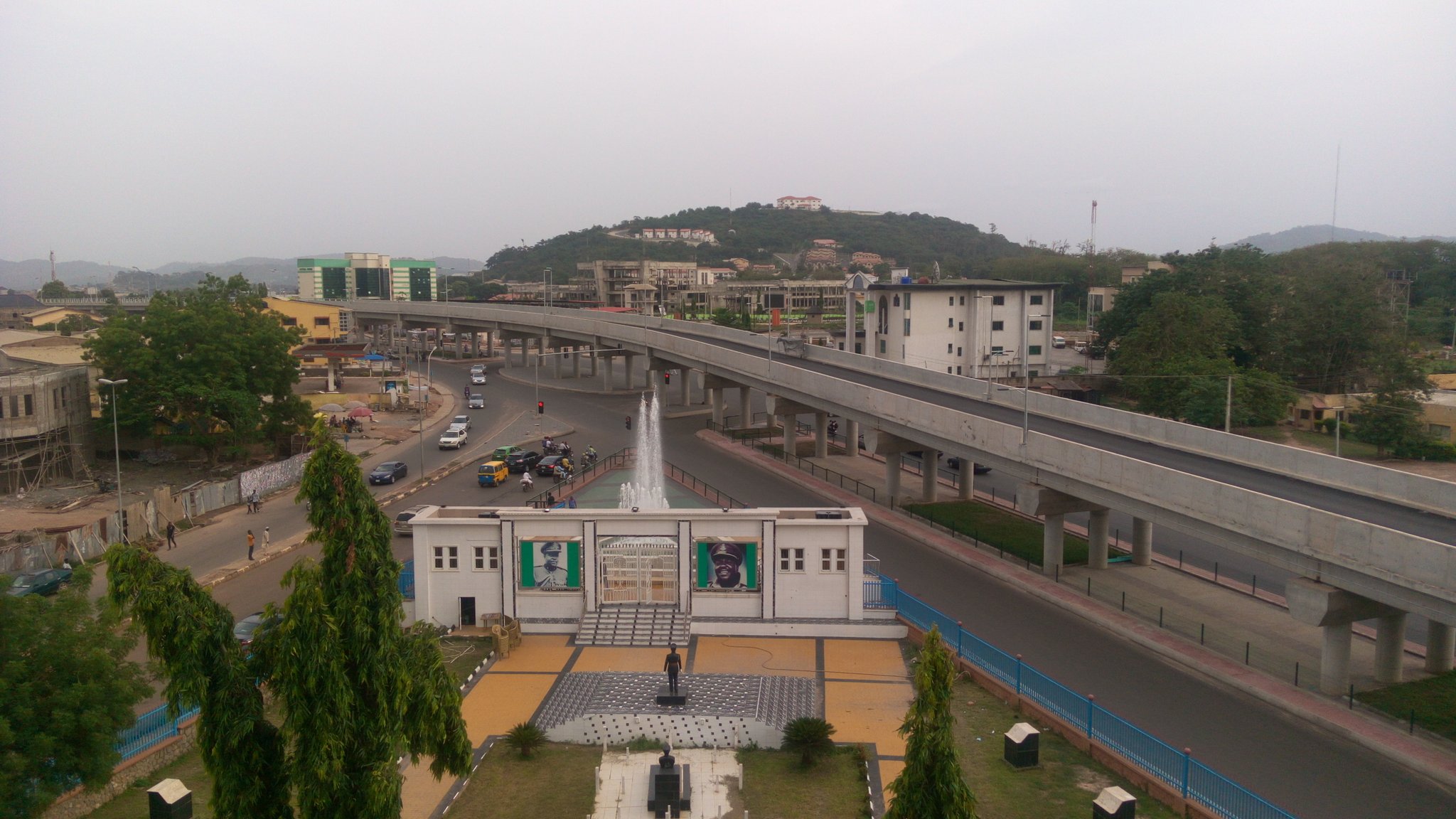
Ado-ekiti, Nigeria
Data updated Sep 29, 2026
📊 Scores
Best fit: FIRE / Geoarbitrage (score: 76)
Government jobs dominate the employment landscape here, with Ekiti State administration providing the most stable paychecks alongside federal positions. The university sector offers teaching and administrative roles across four major institutions, while small-scale trading and agriculture round out the local economy. Media houses like NTA and multiple radio stations create limited opportunities in broadcasting. Most expats find work through NGOs, international development projects, or remote positions, as the private sector remains underdeveloped compared to Lagos or Abuja.
City center rent averages $150/month for a decent one-bedroom, though expect basic amenities and inconsistent power supply. Public transport relies on shared taxis and okadas (motorcycle taxis) for under $1 per trip, but roads can be challenging during rainy season. Healthcare centers exist but serious medical issues often require travel to Lagos. Yoruba dominates daily life, though English works in formal settings. Government bureaucracy moves slowly, and you'll need patience for permits or official documents.
The tropical climate brings heavy rains February through November, with September particularly intense, followed by a brief dry season. Local amala and pounded yam restaurants serve solid Yoruba cuisine, while the university crowd creates a modest nightlife scene. Weekend options include visiting nearby hills or cultural festivals, though entertainment is limited compared to major cities. The expat community is tiny, mostly development workers and academics. This suits educators, researchers, or those seeking authentic Nigerian culture without big-city chaos.
🏚️ Cost of Living
💰 Budgets and Costs
Grocery Basket
Eating Out
Utilities & Lifestyle
Housing
A 1BR in the center runs about $150/mo. If your income is in another currency, bank FX fees add up. A multi-currency account can cut that cost.
See low-fee transfersWe may earn a commission at no cost to you.
💰 Real Spend Reports
🛡️ Safety & Crime
(Higher is safer)
(Lower is safer)
Ado-Ekiti is a relatively calm state capital with a moderate safety profile for expats. Day-to-day life feels reasonably secure compared to larger Nigerian cities like Lagos or Abuja. Walking during daylight is generally safe, though nighttime movement should be cautious and preferably by private transport. The city's smaller size and lower tourist traffic mean less organized crime targeting foreigners than in major hubs.
Petty theft, armed robbery, and scams targeting expats are the primary concerns. Avoid displaying wealth, walking alone at night, or traveling to unfamiliar areas after dark. The Ajilosun and Iworoko areas have higher crime reports. Solo female travelers should exercise extra caution and avoid isolated locations. Kidnapping for ransom is rare but not unheard of in Ekiti State; use registered taxis or arrange private transport rather than hailing rides.
Ekiti State has experienced periodic communal conflicts and political tensions, though Ado-Ekiti itself remains relatively stable. Police presence is inconsistent, and corruption is common—expect to encounter bribery attempts at checkpoints. The city lacks robust emergency services. For Americans considering relocation, Ado-Ekiti is safer than many Nigerian cities but requires vigilance, local networks, and realistic expectations about infrastructure and governance reliability.
🏥 Healthcare
🌤️ Climate
Best Months
Climate Notes
Ado-Ekiti has a tropical climate with warm temperatures year-round, a pronounced rainy season from April to October, and a drier harmattan season from November to March bringing slightly cooler conditions.
💻 Digital Nomad
Community Notes
| Name | Price/mo | Notes |
|---|---|---|
| Coven Works | $50 | Coven Works offers a professional environment with reliable internet, meeting rooms, and a supportive community. Located in a central area of Ado-Ekiti, it's a good option for expats seeking a structured workspace. |
| Tech Hub Ado-Ekiti | $40 | Tech Hub Ado-Ekiti focuses on fostering innovation and technology, providing a collaborative space for digital nomads and remote workers. It offers essential amenities and is located in a developing tech area of the city. |
Working remotely from Ado-ekiti? Nomad health insurance covers you across borders, month to month.
See nomad insuranceWe may earn a commission at no cost to you.
🧳 Expat Life
Expat Life Notes
A quiet, hilly capital that is primarily civil-service oriented with almost no foreign social infrastructure.
Pros
- ✓ Peaceful atmosphere
- ✓ Scenic hills
- ✓ Safe for Nigeria
Cons
- ✗ Very small job market
- ✗ Limited international dining
- ✗ Basic healthcare
Could living/working in Ado-ekiti cut years off your work life?
With a 1-bedroom in the center at $120/mo, your FIRE number here might be much lower than you think.
Estimate the cost of moving to Ado-ekiti, Nigeria
Get a free moving cost estimate for moving to Ado-ekiti, Nigeria. Takes 10 seconds.
How much are you shipping?
When are you moving?
Powered by Sirelo. Free quotes from verified international movers.
Share This Guide
Ado-ekiti won't stay this cheap forever.
Cost-of-living and visa updates for Ado-ekiti and the rest of Nigeria. Free with RA Postcards.
By submitting your email address, you will receive a free subscription to RA Postcards and special offers from Rewire Abroad and our affiliates. You can unsubscribe at any time, and we encourage you to read more about our Privacy Policy.