Abuja, Nigeria
Data updated Sep 3, 2026
📊 Scores
Best fit: FIRE / Geoarbitrage (score: 70)
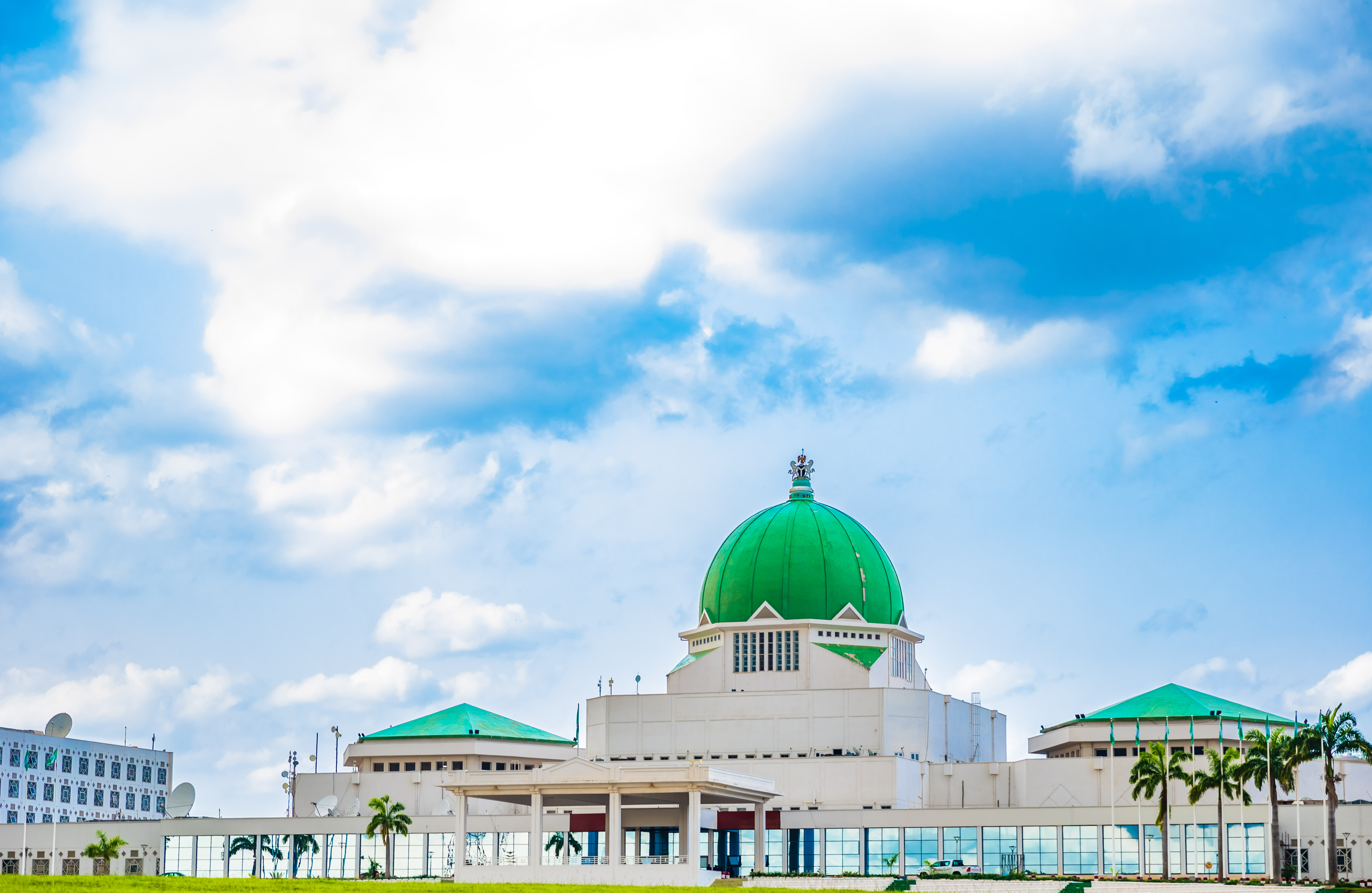
Government is the engine here, full stop. The Presidential Complex, National Assembly, and Supreme Court anchor an economy built almost entirely around federal administration, and that shapes everything — who gets hired, who gets contracts, and who has money to spend. International organizations, NGOs, and embassies cluster here precisely because the decision-makers are here. Private sector work exists in real estate, hospitality, and professional services, but it largely feeds off government spending. If you're not in public administration, diplomacy, or a business that serves those sectors, your job options are thin.
A one-bedroom in the city center runs around $600/month — expensive by Nigerian standards, cheap compared to London or Singapore, but the salary-to-cost ratio can be brutal if you're earning locally. Transport is car-dependent; public transit is unreliable and taxis require negotiation. Healthcare is a real concern — private hospitals like Cedarcrest and Garki Hospital are functional, but serious conditions typically mean medical evacuation. English is the official language and widely spoken, which removes one friction point. Bureaucracy, however, is genuinely painful: residency paperwork, business registration, and utility connections all move slowly and often require facilitation fees.
The dry season (November–March) brings harmattan dust and haze; the wet season is humid but green. Food is a genuine strength — suya, jollof rice, and pepper soup done properly, plus a growing restaurant scene catering to the diplomatic crowd. The expat community is real but insular, concentrated around embassy districts and international schools. Weekends mean Jabi Lake, Millennium Park, or the Wuse Market if you're curious. Crime isn't catastrophic — a safety index of 50 is middling — but you'll need situational awareness. This city suits diplomats, development workers, and remote earners who want African capital access without Lagos-level chaos.
🏚️ Cost of Living
💰 Budgets and Costs
Grocery Basket
Eating Out
Utilities & Lifestyle
Housing
A 1BR in the center runs about $600/mo. If your income is in another currency, bank FX fees add up. A multi-currency account can cut that cost.
See low-fee transfersWe may earn a commission at no cost to you.
💰 Real Spend Reports
🛡️ Safety & Crime
(Higher is safer)
(Lower is safer)
Abuja presents a mixed safety picture for expats. The city feels relatively orderly in planned districts like Central Business District and Maitama, where expats typically cluster. However, nighttime walkability is limited—most residents use cars or ride-hailing apps after dark. The city's reputation as Nigeria's safest major city is partly deserved, but this reflects a low bar; day-to-day safety depends heavily on which neighborhoods you inhabit and your situational awareness.
Petty theft, armed robbery, and home invasions are the primary concerns. Pickpocketing occurs in markets and crowded areas; armed robbery targets vehicles at traffic lights and isolated roads. Scams targeting expats include fake police stops and financial schemes. Solo female travelers face harassment and should avoid walking alone after dark. High-crime areas include Nyanya, Kubwa, and Kuje; stick to established expat zones. Home security (guards, walls, alarms) is standard practice, not paranoia.
Abuja is Nigeria's capital and generally more stable than Lagos or the north, but corruption among police is endemic—bribery at checkpoints is common. Political tensions and occasional protests occur but rarely affect expat residential areas directly. The city's planned layout and federal presence provide some security advantage. For a 30-65 American considering relocation, Abuja is manageable with proper precautions: hire security-conscious housing, use trusted drivers, and maintain low profile. It's safer than many Nigerian cities but requires active risk management, not passive comfort.
Abuja has a safety index of 50/100. Petty theft and lost belongings are the most common problems for newcomers. Compare travel insurance before you go.
Compare travel insuranceWe may earn a commission at no cost to you.
🏥 Healthcare
🌤️ Climate
Best Months
Climate Notes
Tropical savanna climate with distinct wet and dry seasons.
💻 Digital Nomad
Community Notes
| Name | Price/mo | Notes |
|---|---|---|
| Regus Abuja Metro Plaza | $180 | Located in the Central Business District, Regus offers a professional environment with reliable internet, meeting rooms, and administrative support. It's a solid, dependable option for expats seeking a familiar and structured workspace. |
| Workbay | $120 | Workbay provides a modern and vibrant coworking space in Abuja. They offer various membership options, high-speed internet, and a collaborative atmosphere, making it suitable for digital nomads looking to connect with other professionals. |
| Capital Hub | $100 | Capital Hub is a popular coworking space known for its community and events. Located in a central area, it provides a conducive environment for networking and collaboration, appealing to remote workers seeking a social aspect to their work life. |
| Coven Works | $90 | Coven Works offers a flexible and affordable coworking solution in Abuja. With reliable internet, comfortable workspaces, and a supportive community, it's a great option for budget-conscious digital nomads. |
Working remotely from Abuja? Nomad health insurance covers you across borders, month to month.
See nomad insuranceWe may earn a commission at no cost to you.
🧳 Expat Life
Expat Life Notes
Nigeria's purpose-built capital is greener and more organized than Lagos, with a large diplomatic presence.
Pros
- ✓ Planned layout with good roads
- ✓ Native English
- ✓ High-end social clubs
Cons
- ✗ Very expensive for quality received
- ✗ Can feel artificial/soulless
- ✗ Security vigilance required
Could living/working in Abuja cut years off your work life?
With a 1-bedroom in the center at $600/mo, your FIRE number here might be much lower than you think.
Moving to Abuja? Estimate what an international move would cost and compare mover quotes.
Estimate my move costShare This Guide
Abuja won't stay this cheap forever.
Cost-of-living and visa updates for Abuja and the rest of Nigeria. Free with RA Postcards.
By submitting your email address, you will receive a free subscription to RA Postcards and special offers from Rewire Abroad and our affiliates. You can unsubscribe at any time, and we encourage you to read more about our Privacy Policy.