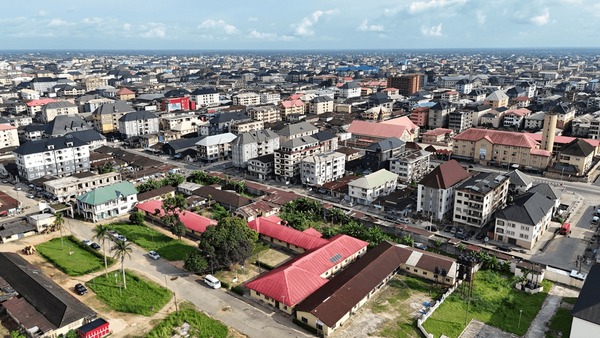
Aba, Nigeria
Data updated Sep 29, 2026
📊 Scores
Best fit: FIRE / Geoarbitrage (score: 64)
Manufacturing and trade are the twin engines here — Aba produces a disproportionate share of Nigeria's shoes, leather goods, textiles, plastics, and pharmaceuticals, most of it coming from small workshops and family-run factories rather than multinationals. Ariaria International Market, the second-largest in Nigeria, moves goods across West Africa daily and employs tens of thousands of traders and logistics workers. Expats with backgrounds in supply chain, manufacturing consulting, or trade finance have a realistic path to earning here; remote workers are a different story, since the city's economy runs on physical commerce, not laptops.
A one-bedroom in the city center runs around $200/month, which sounds attractive until you factor in the cost of generators, inverters, and fuel to compensate for near-constant power outages — budget an extra $80–150/month for that alone. Road infrastructure is poor and flooding during rainy season is a genuine disruption. Healthcare is limited to private clinics of variable quality; anything serious means Port Harcourt or Lagos. English is the official language and widely spoken in business contexts, which removes one barrier, but navigating Abia State bureaucracy for residency or business registration is slow and opaque.
The climate is hot and humid year-round, with heavy rainfall from April through October — not a place for people who struggle with heat and damp. The food scene is genuinely good if you eat local: pepper soup, ofe onugbu, and fresh palm oil dishes are cheap and excellent. There is no meaningful expat social scene; this is not a city where foreigners gather at rooftop bars on weekends. The safety index of 30 reflects real concerns about petty crime and occasional civil unrest. Aba suits entrepreneurs or trade professionals who have a specific business reason to be here and can tolerate rough infrastructure in exchange for low overhead and direct market access.
🏚️ Cost of Living
💰 Budgets and Costs
Grocery Basket
Eating Out
Utilities & Lifestyle
Housing
A 1BR in the center runs about $132.32/mo. If your income is in another currency, bank FX fees add up. A multi-currency account can cut that cost.
See low-fee transfersWe may earn a commission at no cost to you.
💰 Real Spend Reports
🛡️ Safety & Crime
(Higher is safer)
(Lower is safer)
Aba has a reputation as one of Nigeria's more challenging cities for expats, and the reality largely matches it. Daytime movement is generally manageable in commercial areas, but nighttime walkability is severely limited. Most expats rely on private transport and avoid being out after dark. The city feels visibly less secure than Lagos or Abuja, with visible poverty and informal settlements creating an unpredictable environment. Expats here typically adopt a defensive posture rather than moving freely.
Petty theft, armed robbery, and scams targeting foreigners are common concerns. Pickpocketing occurs in crowded markets; armed robbery happens on roads, especially at night or in isolated areas. Kidnapping for ransom, while not epidemic, does occur and is a real consideration. Solo female travelers face elevated harassment and safety risks. Avoid displaying wealth, walking alone after sunset, and traveling on unfamiliar routes. The Ariaria International Market area, while economically vital, requires extreme caution and should be navigated with local guidance only.
Nigeria's broader political instability and police corruption affect Aba significantly. Law enforcement is unreliable and sometimes predatory toward foreigners; police may demand bribes or provide minimal protection. Communal tensions and occasional violent disputes occur. For an American considering relocation here, Aba is a high-risk choice unless you have strong local connections, security infrastructure, and genuine business necessity. Remote workers and retirees should strongly consider safer Nigerian cities or alternative countries entirely.
Aba has a safety index of 30/100. Petty theft and lost belongings are the most common problems for newcomers. Compare travel insurance before you go.
Compare travel insuranceWe may earn a commission at no cost to you.
🏥 Healthcare
🌤️ Climate
Best Months
Climate Notes
Tropical monsoon climate with high rainfall and warmth.
💻 Digital Nomad
Community Notes
| Name | Price/mo | Notes |
|---|---|---|
| Regus Aba | $110 | Regus offers a reliable and professional coworking environment in Aba. Located in a central business district, it provides essential amenities like high-speed internet, meeting rooms, and administrative support, making it suitable for expats seeking a familiar and structured workspace. |
| De-Lord's Place Hotel & Coworking | $75 | While primarily a hotel, De-Lord's Place offers coworking facilities. It provides a relaxed atmosphere with amenities like Wi-Fi, power outlets, and a restaurant, making it a convenient option for remote workers seeking a comfortable and affordable workspace in a hotel setting. |
| MCA Hub | $60 | MCA Hub is a local coworking space that caters to entrepreneurs and startups. It offers a collaborative environment with basic amenities like internet access and meeting spaces, providing a budget-friendly option for expats looking to connect with the local business community. |
Working remotely from Aba? Nomad health insurance covers you across borders, month to month.
See nomad insuranceWe may earn a commission at no cost to you.
🧳 Expat Life
Expat Life Notes
A major commercial hub in eastern Nigeria known for fabrication. Security risks are high and there is no real expat infrastructure.
Pros
- ✓ Dynamic trade and market
- ✓ Inexpensive
Cons
- ✗ Serious security concerns
- ✗ Lack of amenities
- ✗ Extreme traffic
Could living/working in Aba cut years off your work life?
With a 1-bedroom in the center at $132/mo, your FIRE number here might be much lower than you think.
Estimate the cost of moving to Aba, Nigeria
Get a free moving cost estimate for moving to Aba, Nigeria. Takes 10 seconds.
How much are you shipping?
When are you moving?
Powered by Sirelo. Free quotes from verified international movers.
Share This Guide
Aba won't stay this cheap forever.
Cost-of-living and visa updates for Aba and the rest of Nigeria. Free with RA Postcards.
By submitting your email address, you will receive a free subscription to RA Postcards and special offers from Rewire Abroad and our affiliates. You can unsubscribe at any time, and we encourage you to read more about our Privacy Policy.