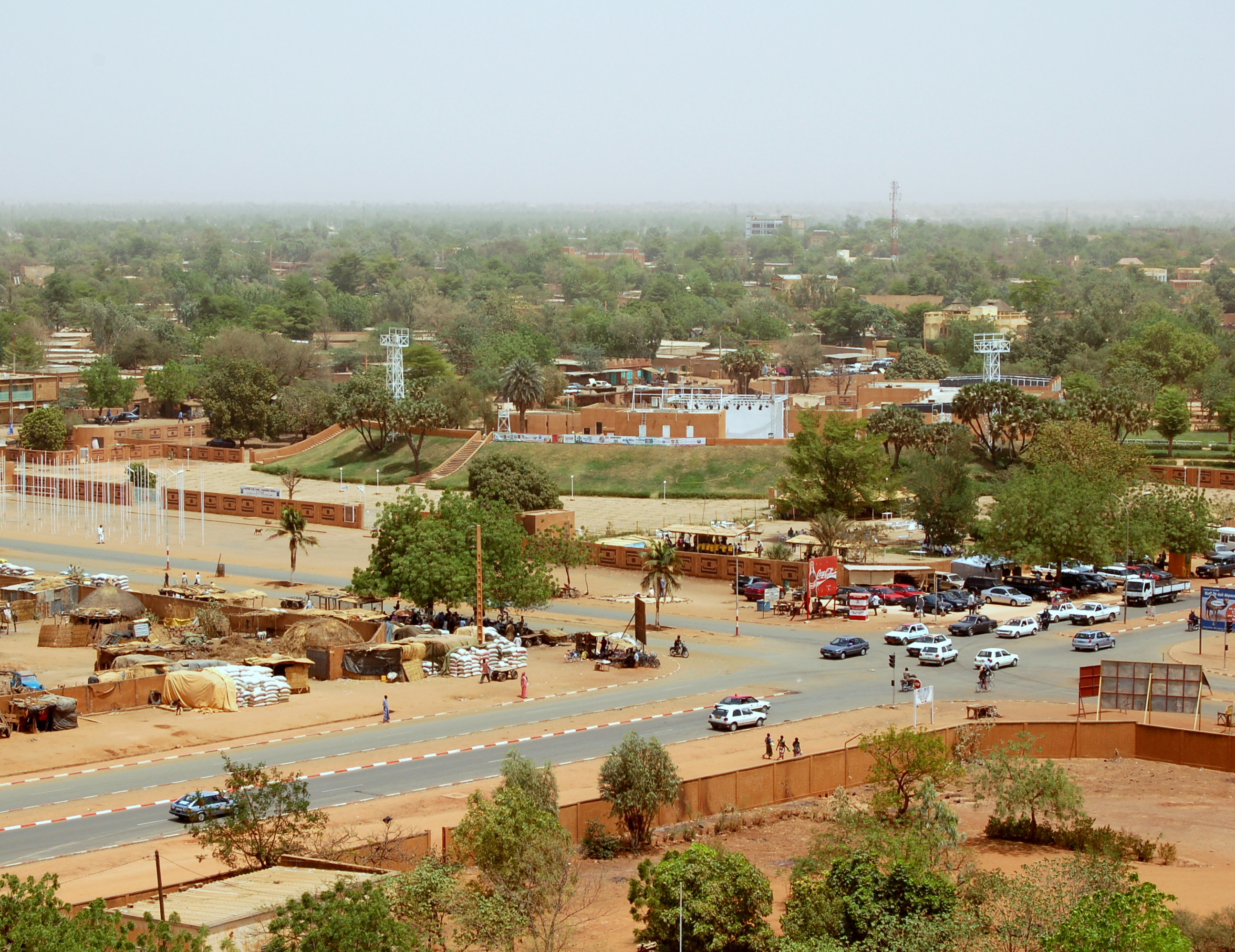
Niamey, Niger
Data updated Sep 29, 2026
📊 Scores
Best fit: FIRE / Geoarbitrage (score: 48)
Niger is one of the poorest countries by GDP per capita on earth, and Niamey's economy reflects that reality bluntly. The dominant employers are the national government, international NGOs, UN agencies, and development organizations — if you're earning a living here as a foreigner, you're almost certainly on an expat package from one of those institutions. The private sector is thin: informal trade, small-scale agriculture supply chains, and a modest uranium-linked industrial base. Independent remote workers exist but are rare; reliable infrastructure makes that lifestyle genuinely difficult.
A one-bedroom in the city center runs around $450/month, which sounds reasonable until you factor in the cost of making life functional: generators for frequent power cuts, bottled water because tap water is unsafe, and private healthcare since public facilities are severely under-resourced. The French-language barrier is real and unforgiving — Arabic and Hausa dominate street life, and English gets you almost nowhere outside NGO offices. Bureaucracy for visas and residency permits is slow and opaque. Internet is unreliable and mobile data is expensive relative to local incomes.
Niamey sits in the Sahel, meaning brutal heat from March through June regularly exceeding 45°C, with a short rainy season offering brief relief. The Niger River provides some visual respite, and riverside restaurants serve decent grilled fish. The expat community is small and insular — mostly aid workers and diplomats who socialize within compound walls. Weekends involve house parties, the occasional rooftop dinner, and not much else publicly. This city suits development professionals and humanitarian workers on institutional assignments, not lifestyle seekers or independent movers.
🏚️ Cost of Living
💰 Budgets and Costs
Grocery Basket
Eating Out
Utilities & Lifestyle
Housing
A 1BR in the center runs about $965.65/mo. If your income is in another currency, bank FX fees add up. A multi-currency account can cut that cost.
See low-fee transfersWe may earn a commission at no cost to you.
💰 Real Spend Reports
🛡️ Safety & Crime
(Higher is safer)
(Lower is safer)
Niamey feels noticeably less safe than Western cities, with limited nighttime walkability for expats. The city has a visible security presence but petty crime is common. Most expats navigate successfully by staying aware, avoiding isolated areas after dark, and using trusted transportation. The overall atmosphere is manageable during daylight, though vigilance is required—this isn't a place to let your guard down.
Petty theft, bag snatching, and pickpocketing are the primary concerns, especially in crowded markets and near transport hubs. Armed robbery occurs but is less common for expats in residential areas. Solo female travelers face additional harassment and should avoid walking alone at night. Scams targeting foreigners exist around currency exchange and unofficial taxis. The Plateau district and central business areas are relatively safer than peripheral neighborhoods.
Niger faces significant geopolitical instability due to regional jihadist activity and military coups (most recently 2023). While Niamey itself is more stable than rural areas, security can shift rapidly. Police corruption is endemic, and the judicial system is unreliable. For Americans considering relocation, this city requires acceptance of genuine security risks and political unpredictability. It's suitable only for those with strong local networks, security awareness, and flexibility to leave if conditions deteriorate.
Niamey has a safety index of 35/100. Petty theft and lost belongings are the most common problems for newcomers. Compare travel insurance before you go.
Compare travel insuranceWe may earn a commission at no cost to you.
🏥 Healthcare
🌤️ Climate
Best Months
Climate Notes
Hot semi-arid climate; one of the hottest cities in Africa.
💻 Digital Nomad
Community Notes
| Name | Price/mo | Notes |
|---|---|---|
| Impact Hub Niamey | $75 | Part of a global network, Impact Hub Niamey offers a collaborative environment focused on social impact. Located in the Plateau neighborhood, it provides a supportive community and resources for entrepreneurs and remote workers. |
| CIPMEN Incubator | $60 | While primarily an incubator, CIPMEN offers coworking spaces and resources suitable for digital nomads. Located near the city center, it provides a professional environment and access to business support services. |
Working remotely from Niamey? Nomad health insurance covers you across borders, month to month.
See nomad insuranceWe may earn a commission at no cost to you.
🧳 Expat Life
Expat Life Notes
A strategic administrative capital with a small community of NGO and diplomatic staff; French is required for daily life.
Pros
- ✓ Low cost of living
- ✓ Tight expat social circle
Cons
- ✗ Safety and stability concerns in region
- ✗ Extreme heat
- ✗ Poor medical facilities
Could living/working in Niamey cut years off your work life?
With a 1-bedroom in the center at $966/mo, your FIRE number here might be much lower than you think.
Estimate the cost of moving to Niamey, Niger
Get a free moving cost estimate for moving to Niamey, Niger. Takes 10 seconds.
How much are you shipping?
When are you moving?
Powered by Sirelo. Free quotes from verified international movers.
Share This Guide
Niamey won't stay this cheap forever.
Cost-of-living and visa updates for Niamey and the rest of Niger. Free with RA Postcards.
By submitting your email address, you will receive a free subscription to RA Postcards and special offers from Rewire Abroad and our affiliates. You can unsubscribe at any time, and we encourage you to read more about our Privacy Policy.