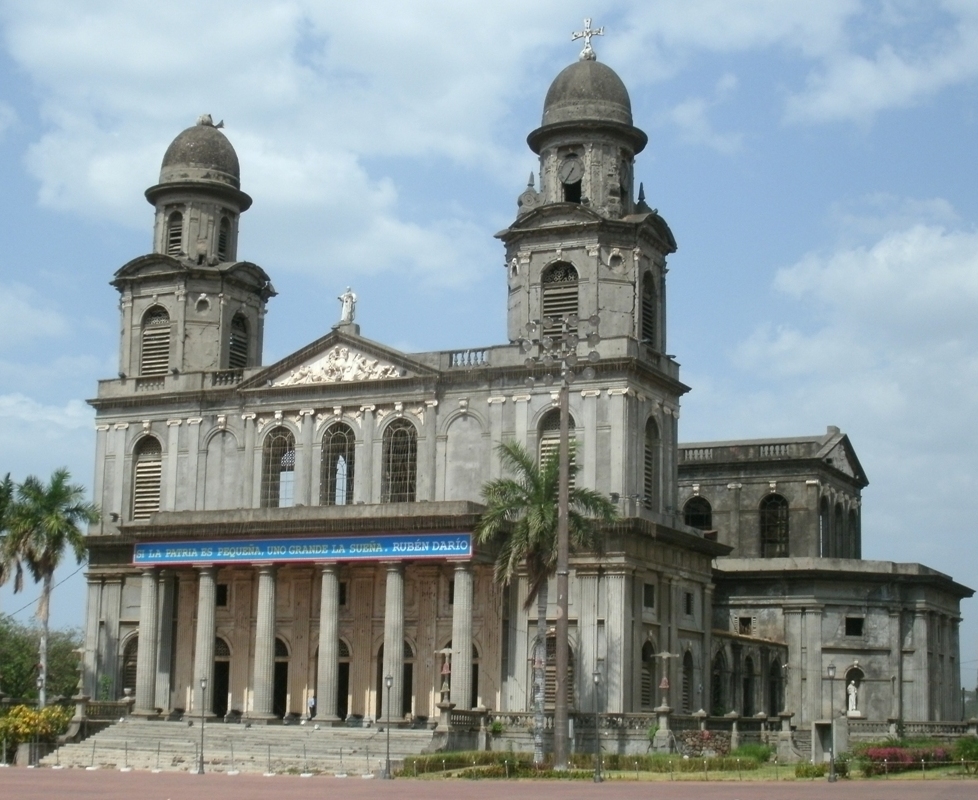
Managua, Nicaragua
Data updated Sep 3, 2026
📊 Scores
Best fit: FIRE / Geoarbitrage (score: 66)
Nicaragua's economic engine runs through this city — banking, manufacturing, agro-processing, and regional trade all concentrate here. Major employers include Grupo Pellas (sugar, rum, automotive), multinationals like Walmart and Cargill, and a growing BPO sector targeting Spanish-language call center work. Remote workers exist but are a small minority; most expats who earn locally work in NGOs, development organizations, or run small businesses. The formal job market is thin for foreigners without Spanish and local connections, and political risk since 2018 has spooked some foreign investment.
A one-bedroom in the city center runs around $450/month, dropping significantly in outer neighborhoods. Groceries and local food are cheap — a market meal costs under $3 — but imported goods carry steep markups. Public buses exist and cost almost nothing, but routes are confusing and conditions are rough; most expats use taxis or apps like InDriver. Healthcare is the real friction point: public hospitals are underfunded, so you'll pay out of pocket at private clinics. Spanish is non-negotiable — English gets you almost nowhere outside upscale hotels.
The dry season (December–April) is genuinely pleasant; the wet season is hot, humid, and relentlessly rainy. The food scene leans heavily local — gallo pinto, vigorón, street grills — with a limited but growing number of international restaurants in Zona Hippos and Carretera Masaya. The expat community is small and skews toward NGO workers and long-term Central America hands rather than digital nomads. Weekends mean day trips to Granada, León, or Pacific beaches within two hours. This city suits budget-conscious expats who speak Spanish, have their own income, and don't need a large expat social infrastructure.
🏚️ Cost of Living
💰 Budgets and Costs
Grocery Basket
Eating Out
Utilities & Lifestyle
Housing
A 1BR in the center runs about $450/mo. If your income is in another currency, bank FX fees add up. A multi-currency account can cut that cost.
See low-fee transfersWe may earn a commission at no cost to you.
💰 Real Spend Reports
🛡️ Safety & Crime
(Higher is safer)
(Lower is safer)
Managua's safety reputation exceeds its day-to-day reality for expats in established neighborhoods. While the city feels tense compared to North American standards, residents in areas like Los Robles, Altamira, and Pinares navigate daily life relatively normally. Nighttime walkability is limited; most expats use taxis or ride-shares after dark. The city's 40/100 Safety Index reflects genuine concerns, but many long-term residents report adapting successfully with situational awareness.
Petty theft and robbery are the primary concerns—phone snatching, car break-ins, and bag theft occur regularly. Violent crime exists but is often concentrated in peripheral neighborhoods and gang-related. Avoid displaying wealth, walking alone at night, and using ATMs after dark. Solo female travelers should exercise extra caution; harassment is common in crowded areas. Scams targeting foreigners include inflated taxi fares and counterfeit currency.
Nicaragua's political environment has stabilized since 2018 unrest, but corruption remains systemic and police reliability is inconsistent. Expats report mixed experiences with law enforcement; bribery is common. The country's gang presence (MS-13, 18th Street) is real but typically doesn't target foreign residents directly. For Americans considering relocation, Managua is manageable with discipline and local knowledge, but it requires accepting higher baseline risk than most U.S. cities. Safer alternatives exist in Nicaragua (Granada, San Juan del Sur).
Managua has a safety index of 40/100. Petty theft and lost belongings are the most common problems for newcomers. Compare travel insurance before you go.
Compare travel insuranceWe may earn a commission at no cost to you.
🏥 Healthcare
🌤️ Climate
Best Months
Climate Notes
Tropical wet and dry climate with consistently high temperatures year-round.
💻 Digital Nomad
Community Notes
Working remotely from Managua? Nomad health insurance covers you across borders, month to month.
See nomad insuranceWe may earn a commission at no cost to you.
🧳 Expat Life
Expat Life Notes
Managua is a spread-out city with a resilient expat community, though many prefer nearby Granada or San Juan del Sur.
Pros
- ✓ Very low cost of living
- ✓ Warm climate
- ✓ Friendly people
Cons
- ✗ Poor public infrastructure
- ✗ Seismic activity risk
- ✗ Political sensitivities
🛂 Visa Options for Nicaragua
Many long-stay visas require proof of health insurance. Compare international health plans before you apply.
Compare health insuranceWe may earn a commission at no cost to you.
Living on investment or passive income? Nicaragua Pensionado may be the right fit — minimum $600/month required.
View full requirements →Earning over $600/mo? You may qualify for a Nicaragua visa.
Answer 10 questions and get a personalized match in under 2 minutes.
Could living/working in Managua cut years off your work life?
With a 1-bedroom in the center at $450/mo, your FIRE number here might be much lower than you think.
Moving to Managua? Estimate what an international move would cost and compare mover quotes.
Estimate my move costShare This Guide
Managua won't stay this cheap forever.
Cost-of-living and visa updates for Managua and the rest of Nicaragua. Free with RA Postcards.
By submitting your email address, you will receive a free subscription to RA Postcards and special offers from Rewire Abroad and our affiliates. You can unsubscribe at any time, and we encourage you to read more about our Privacy Policy.