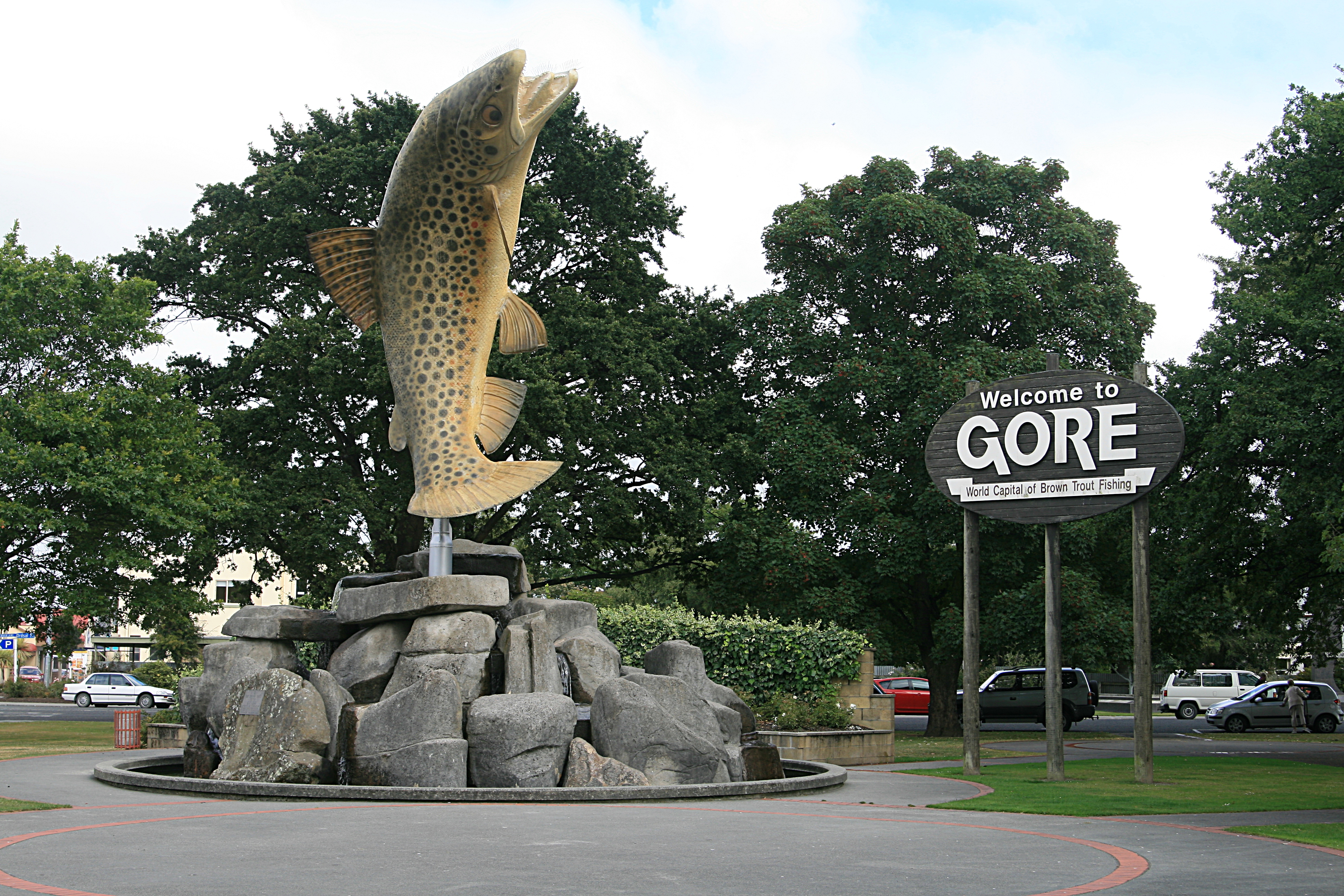
Gore, New Zealand
Data updated Sep 3, 2026
📊 Scores
Agriculture dominates Gore's economy—sheep and deer farming operations in the surrounding Southland region drive local employment and commerce. The town functions as a service hub for these pastoral industries, with meat processing, farm supply, and logistics businesses anchoring the job market. Tourism has grown around the Gore Country Music Festival (held annually) and heritage railway experiences, but these are seasonal. Most stable work here involves agriculture-related services or retail; remote work is realistic if you're not dependent on local employment.
Rent runs $400–$650/month for a two-bedroom house; utilities add $150–$200. Transport requires a car—public transit is minimal and the passenger railway closed in 2002. Healthcare is accessible through Gore Medical Centre, though serious cases route to Invercargill (64 km) or Dunedin (134 km). English is universal. Bureaucracy is straightforward for visa holders; New Zealand's residency process is well-documented but slow. Winter temperatures drop to 5°C; rain is steady but not extreme.
Weekends revolve around the Mataura River (fishing, walking), local pubs, and the annual country music festival that transforms the town each November. The expat community is small but tight—mostly retirees and remote workers. Winters feel isolating; summers are pleasant. Gore suits people seeking genuine small-town New Zealand life, agricultural work, or a quiet base for South Island exploration—not those needing urban amenities or frequent social options.
Gore is a genuine agricultural service town in rural New Zealand with a quirky country music identity and limited expat infrastructure.
🏚️ Cost of Living
💰 Budgets and Costs
Grocery Basket
Eating Out
Utilities & Lifestyle
Housing
A 1BR in the center runs about $950/mo. If your income is in another currency, bank FX fees add up. A multi-currency account can cut that cost.
See low-fee transfersWe may earn a commission at no cost to you.
💰 Real Spend Reports
🛡️ Safety & Crime
(Higher is safer)
(Lower is safer)
Gore is genuinely one of New Zealand's safest small towns. With a population under 9,000, it has a tight-knit community feel where violent crime is extremely rare. You can walk around during the day and evening without concern; locals regularly walk alone after dark without incident. The town's isolation in Southland actually works in its favor—it's far removed from urban crime hotspots.
Petty theft exists but is minimal compared to larger NZ cities. The main risks are opportunistic crimes like car break-ins or unlocked home theft, which are preventable with basic precautions. Scams targeting expats are virtually nonexistent here. Solo female travelers and residents report feeling completely safe. The biggest 'risk' is boredom rather than crime—Gore is quiet and rural.
New Zealand has stable governance, reliable police, and no significant political instability. Gore specifically has no geopolitical concerns. Police response times may be slower than in cities due to distance, but corruption is not a factor. For an American considering relocation, Gore presents zero safety barriers—your main considerations should be lifestyle fit, job opportunities, and whether you can embrace a very small-town pace rather than security concerns.
🏥 Healthcare
🌤️ Climate
Best Months
Climate Notes
Gore experiences a temperate oceanic climate with mild summers (December–February) and cool, wet winters (June–August), requiring layers year-round and frequent rain gear.
💻 Digital Nomad
Community Notes
| Name | Price/mo | Notes |
|---|---|---|
| Gore Library & Information Centre | — | While not a dedicated coworking space, the Gore Library offers free Wi-Fi and a quiet environment suitable for focused work. Located centrally in Gore, it's a budget-friendly option for digital nomads needing a temporary workspace. |
| Invercargill Central Library (Nearby) | — | Located in Invercargill (approx. 1 hour 45 min drive from Gore), this library provides free Wi-Fi and a quiet space. While a commute is required, it's a viable option if you need a change of scenery and a reliable workspace. |
Planning to live in Gore long-term? New Zealand Digital Nomad Visa lets remote workers live legally.
View full requirements →Working remotely from Gore? Nomad health insurance covers you across borders, month to month.
See nomad insuranceWe may earn a commission at no cost to you.
🧳 Expat Life
🛂 Visa Options for New Zealand
Many long-stay visas require proof of health insurance. Compare international health plans before you apply.
Compare health insuranceWe may earn a commission at no cost to you.
Not sure which New Zealand visa you qualify for?
Answer 10 questions and get a personalized match in under 2 minutes.
Could living/working in Gore cut years off your work life?
With a 1-bedroom in the center at $380/mo, your FIRE number here might be much lower than you think.
Moving to Gore? Estimate what an international move would cost and compare mover quotes.
Estimate my move costShare This Guide
Gore won't stay this cheap forever.
Cost-of-living and visa updates for Gore and the rest of New Zealand. Free with RA Postcards.
By submitting your email address, you will receive a free subscription to RA Postcards and special offers from Rewire Abroad and our affiliates. You can unsubscribe at any time, and we encourage you to read more about our Privacy Policy.