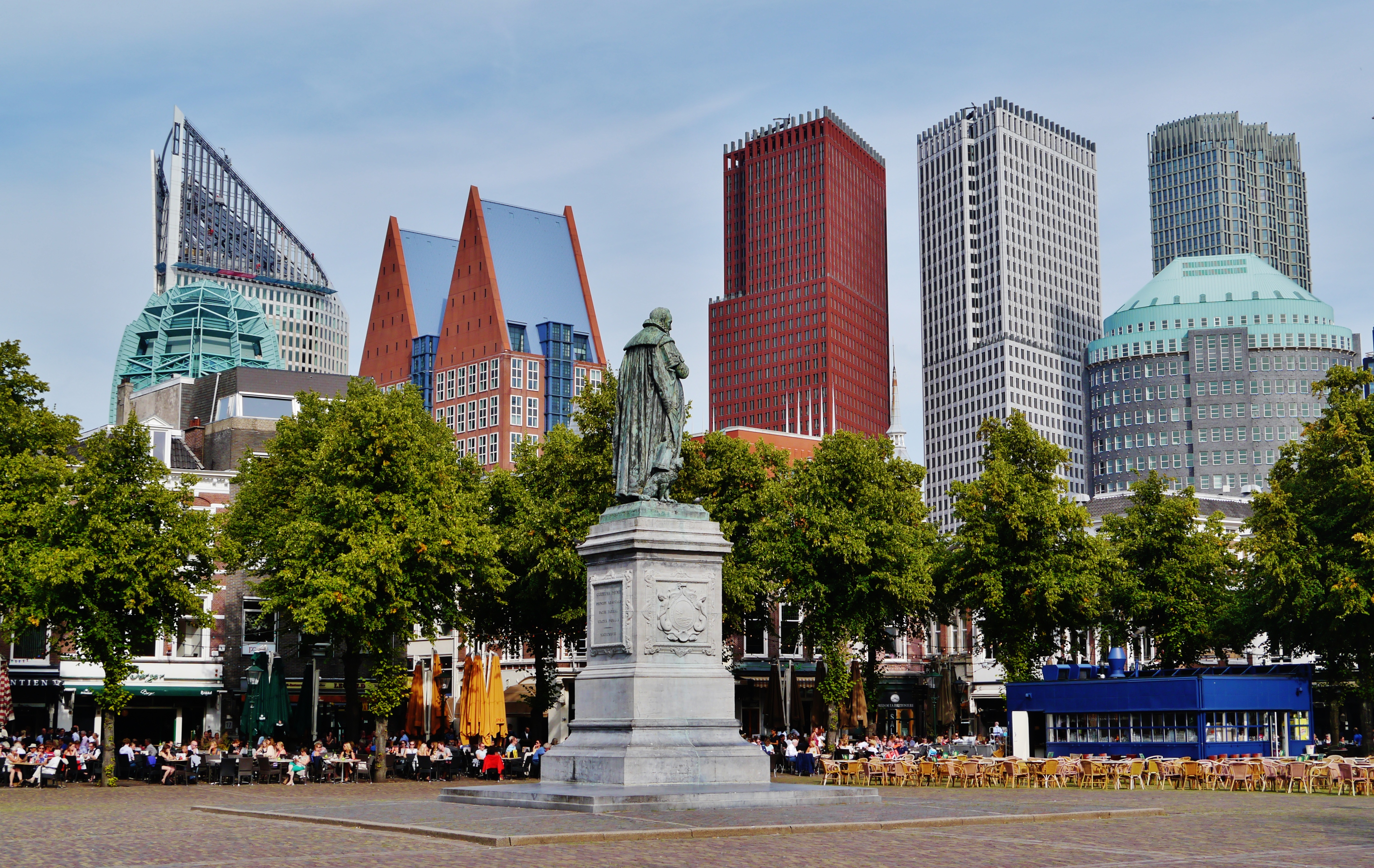
Rijswijk, Netherlands
Data updated Sep 3, 2026
📊 Scores
Best fit: Digital Nomad (score: 73)
The local economy revolves around knowledge institutions and research rather than traditional manufacturing. The Netherlands Patent Office, European Patent Office branch, and Biomedical Primate Research Centre anchor white-collar employment, though Shell's 2017 departure of its main R&D hub to Amsterdam and The Hague left a noticeable gap. Most residents commute to The Hague or Amsterdam for work, or work in patent law, biotech, and government administration locally. This is a bedroom community for the Randstad's knowledge economy, not a standalone job market.
Rent for a one-bedroom city center runs €1,450–$1,550 monthly; outside center, expect €1,200–$1,350. Public transport is excellent—Rijswijk station connects directly to The Hague (10 minutes) and Amsterdam (45 minutes) via frequent trains. Healthcare access is straightforward; Dutch GP system works smoothly if you register. Dutch language isn't mandatory for expats, but daily life (bureaucracy, local services) moves faster if you speak it. Bureaucracy itself is typically Dutch: efficient but rigid, with strict residency registration requirements.
Summers are mild (18–22°C), winters damp and gray. The food scene is suburban-Dutch: decent supermarkets, ethnic restaurants reflecting the 38% non-Dutch population, but nothing distinctive. Rijswijk itself feels quiet and residential; social life happens in The Hague's bars and cultural venues 15 minutes away. The expat community exists but isn't concentrated here—you're part of the broader Haaglanden international crowd. Best suited for remote workers or Randstad commuters seeking affordable, safe, transit-connected housing near major cities, not for those seeking vibrant local culture.
Rijswijk works best as a practical base for remote work or commuting into the Randstad's job centers, not as a destination in itself.
🏚️ Cost of Living
💰 Budgets and Costs
Grocery Basket
Eating Out
Utilities & Lifestyle
Housing
A 1BR in the center runs about $1550/mo. If your income is in another currency, bank FX fees add up. A multi-currency account can cut that cost.
See low-fee transfersWe may earn a commission at no cost to you.
💰 Real Spend Reports
🛡️ Safety & Crime
(Higher is safer)
(Lower is safer)
Rijswijk is genuinely one of the safest places in Europe for daily life. The city feels secure at all hours—walking alone at night is normal and unremarkable. The Dutch culture emphasizes order and civic responsibility, and police presence is visible but unobtrusive. For expats accustomed to American crime rates, the difference is stark and immediately noticeable.
Crime here is petty rather than predatory: occasional bike theft, pickpocketing in crowded transit areas, and minor property crime. Violent crime is extremely rare. Scams targeting expats are uncommon, though standard precautions apply (verify housing rentals, avoid overpaying for services). Solo female travelers and residents face virtually no gender-specific safety concerns—the city is equally safe for everyone.
The Netherlands has stable governance, reliable police, and no significant political instability or corruption affecting daily life. Rijswijk's proximity to The Hague (government seat) means institutional oversight is strong. For Americans considering relocation, this is a genuinely low-risk choice. The main adjustment is psychological—you may need time to trust that the safety is real, not temporary.
🏥 Healthcare
🌤️ Climate
Best Months
Climate Notes
Rijswijk has a temperate maritime climate with cool, wet winters (December–February) and mild summers (June–August), requiring layers year-round and frequent rain gear.
💻 Digital Nomad
Community Notes
Planning to live in Rijswijk long-term? Netherlands Orientation Year Visa (Zoekjaar) lets remote workers live legally.
View full requirements →Working remotely from Rijswijk? Nomad health insurance covers you across borders, month to month.
See nomad insuranceWe may earn a commission at no cost to you.
🧳 Expat Life
Expat Life Notes
A safe, high-end residential neighbor of The Hague; very popular for expat families.
Pros
- ✓ Excellent schools nearby
- ✓ Safe and clean
- ✓ Near-universal English
Cons
- ✗ Dull social life
- ✗ Expensive housing
- ✗ Commuter traffic
🛂 Visa Options for Netherlands
Many long-stay visas require proof of health insurance. Compare international health plans before you apply.
Compare health insuranceWe may earn a commission at no cost to you.
Not sure which Netherlands visa you qualify for?
Answer 10 questions and get a personalized match in under 2 minutes.
Could living/working in Rijswijk cut years off your work life?
With a 1-bedroom in the center at $930/mo, your FIRE number here might be much lower than you think.
Moving to Rijswijk? Estimate what an international move would cost and compare mover quotes.
Estimate my move costShare This Guide
Rijswijk won't stay this cheap forever.
Cost-of-living and visa updates for Rijswijk and the rest of Netherlands. Free with RA Postcards.
By submitting your email address, you will receive a free subscription to RA Postcards and special offers from Rewire Abroad and our affiliates. You can unsubscribe at any time, and we encourage you to read more about our Privacy Policy.