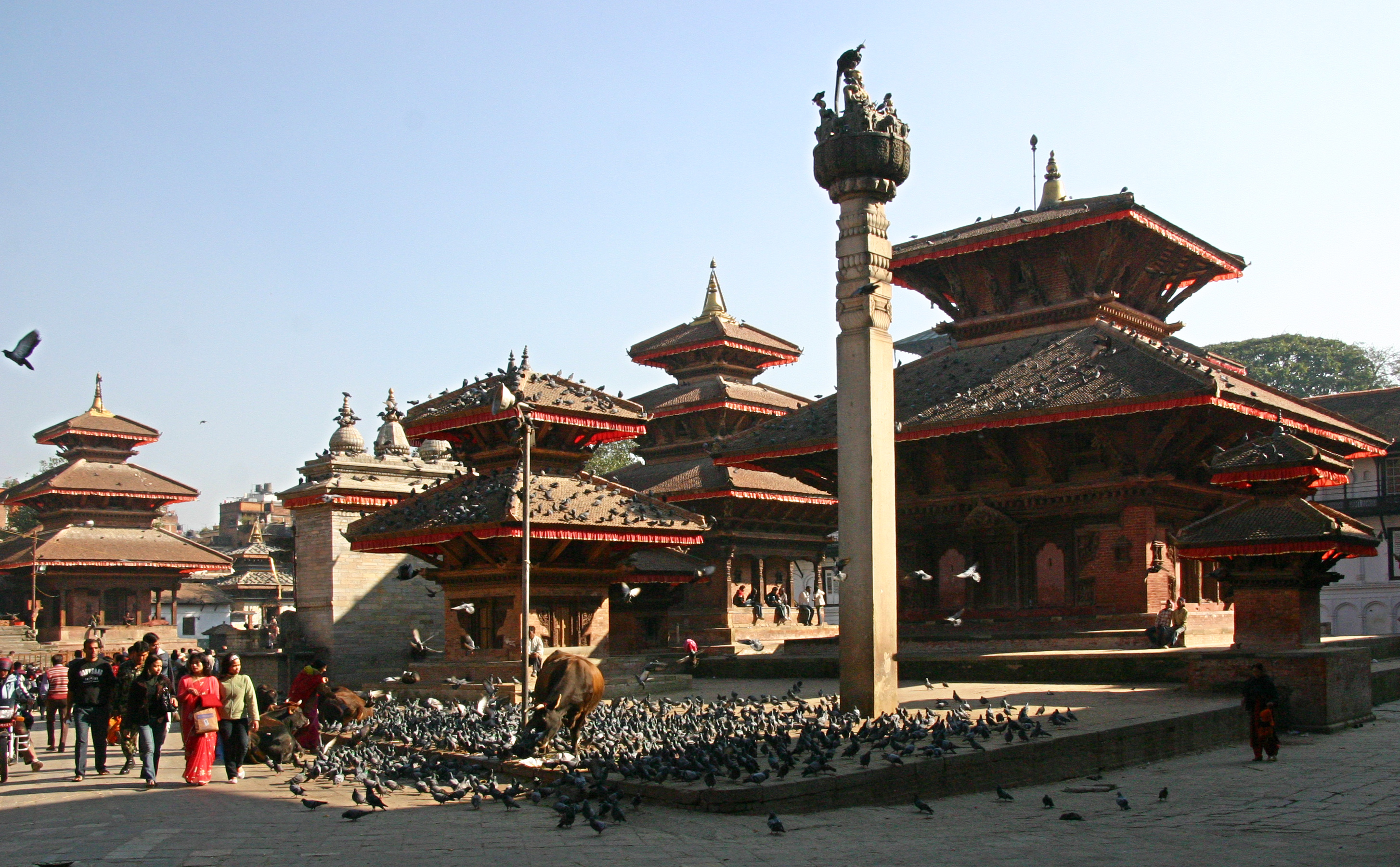
Kathmandu sits in a high valley at 1400 m above sea level, on Asia/Kathmandu time, and its subtropical highland climate stays very pleasant except for winter pollution. The city holds 846 thousand people, and expats tend to cluster in Jhamsikhel, Lazimpat, and Thamel, where cafes, shops, and English speakers are easy to find. English is common in tourist areas, and the expat community is medium in size, which means newcomers can settle into a familiar routine without losing the city's distinctly Nepali rhythm.
Rent is the headline. A 1-bedroom in the city center runs $219/mo, while the same outside the center drops to $101/mo. A 3-bedroom in the center is $427/mo, and outside the center it falls to $196/mo. Utilities come to $31/mo, internet $9/mo, and a mobile phone plan $3/mo. A monthly public transport pass costs $10/mo and a gym membership $22/mo. An inexpensive restaurant meal is $2 per person, a mid-range three-course meal for two is $20, and a cappuccino is $2. Excluding rent, a single person spends about $341/mo and a family of four about $1,247/mo. Budget, mid-range, and comfortable tiers for a single adult, rent included, land at $185/mo, $273/mo, and $422/mo. Against an average monthly net salary of $260/mo and a cost of living index of 23/100, the gap between local wages and expat budgets is wide.
Safety is moderate: the safety index is 60/100 and the crime index is 40/100, so ordinary precautions apply. Healthcare quality is fair, which is enough for routine care but worth weighing for anything serious. Air quality is the real daily concern, with an air quality index of 125, and winter pollution is the season that residents plan around. Average internet speed is 50 Mbps, so remote work is practical in most parts of the city.
For longer stays, Nepal offers a Residential Visa with a minimum monthly income of $20,000/mo. Tribhuvan International Airport (KTM) is just 4 km from the city, making arrivals quick. Kathmandu scores 81/100 overall for expats, 83/100 for FIRE, 55/100 for retirees, and 72/100 for digital nomads. It suits remote workers, budget-focused long-stayers, and anyone drawn to a low-cost base with mountain access, while retirees and those needing advanced medical care should look closely at the tradeoffs.