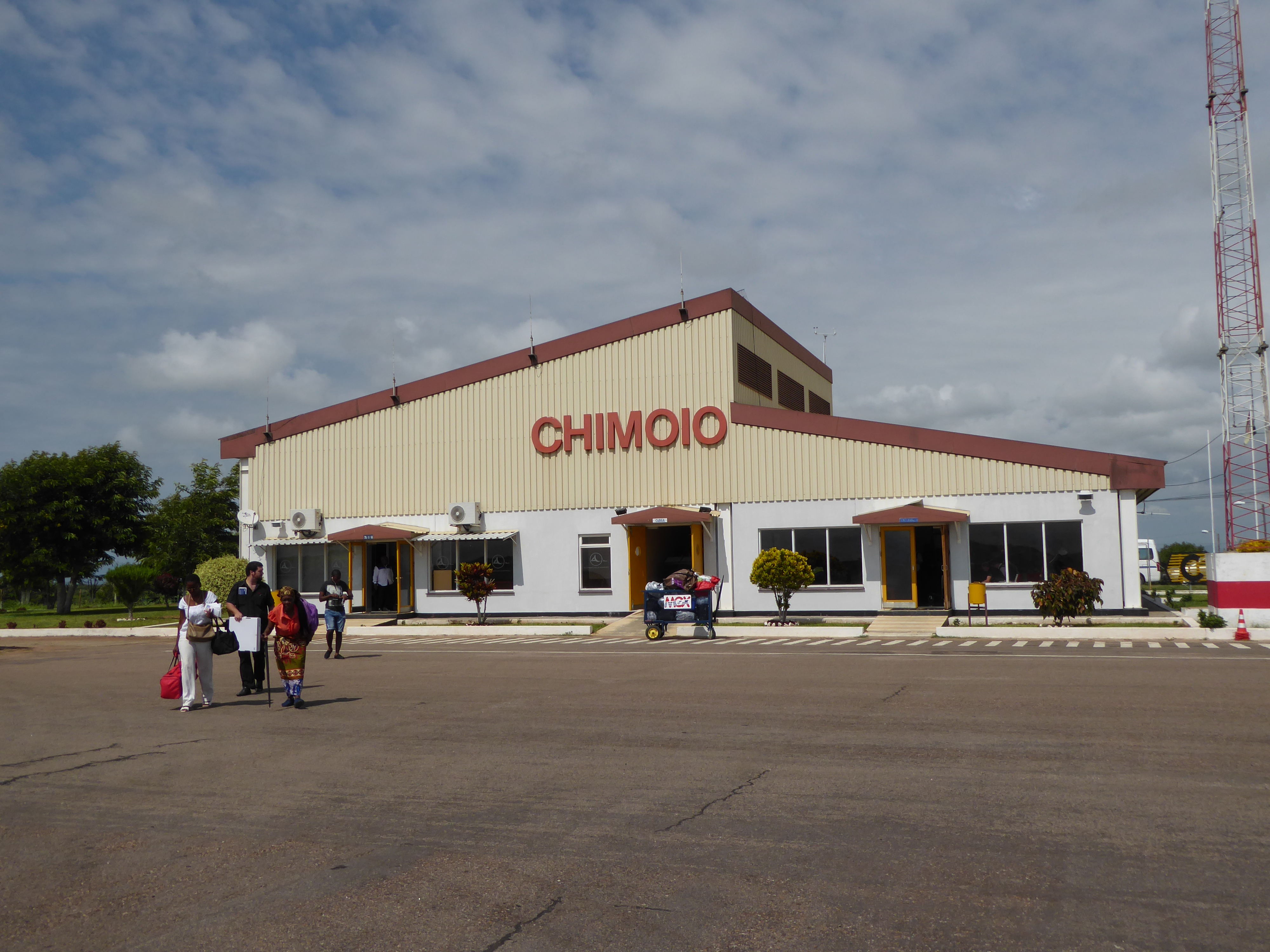
Chimoio, Mozambique
Data updated Sep 29, 2026
📊 Scores
Best fit: FIRE / Geoarbitrage (score: 72)
Agriculture and textiles drive the local economy, with most employment tied to farming cooperatives, processing facilities, and the handful of textile manufacturers that survived from colonial times. The Beira Corridor railway brings steady logistics work, while cross-border trade with Zimbabwe creates opportunities in transport and small commerce. Government jobs are plentiful given Chimoio's status as provincial capital, but private sector wages rarely exceed $200-300 monthly. Many locals supplement income through informal trade, particularly serving the steady flow of Zimbabwean migrants seeking work.
Rent averages $350 monthly for a decent one-bedroom in the center, though basic places start around $200. Public transport relies on chapas (shared minibuses) at $0.50 per ride, but routes are limited and unreliable. Healthcare means the provincial hospital for serious issues, with private clinics charging $15-25 per consultation. Portuguese is essential for any bureaucracy, and government offices move at glacial speed—expect multiple visits for simple permits. Internet is spotty outside the center, and power cuts happen weekly.
The 750-meter altitude keeps temperatures pleasant year-round, avoiding coastal humidity while maintaining tropical warmth. Local restaurants serve decent Portuguese-influenced cuisine, though variety is limited and international food nonexistent. Weekends mean day trips to Chimanimani National Park or socializing at the few decent bars downtown. The expat community is tiny—maybe 50 foreigners total, mostly aid workers and a few retirees. This works for someone seeking genuine African small-city life without tourist infrastructure or expat conveniences.
🏚️ Cost of Living
💰 Budgets and Costs
Grocery Basket
Eating Out
Utilities & Lifestyle
Housing
A 1BR in the center runs about $350/mo. If your income is in another currency, bank FX fees add up. A multi-currency account can cut that cost.
See low-fee transfersWe may earn a commission at no cost to you.
💰 Real Spend Reports
🛡️ Safety & Crime
(Higher is safer)
(Lower is safer)
Chimoio presents moderate safety challenges typical of a mid-sized Mozambican city. Petty theft, pickpocketing, and home burglaries are the primary concerns; avoid displaying valuables and use secure accommodation. Armed robbery and violent crime exist but are less common than opportunistic theft. The city center and residential areas near the hospital are relatively safer; avoid isolated areas after dark and the outskirts. Carjacking and road safety are additional risks. For expats with situational awareness, reasonable precautions, and local knowledge, Chimoio is manageable, though it requires more vigilance than typical Western retirement destinations. Verify current security conditions with your employer or local expat community before committing.
Chimoio has a safety index of 55/100. Petty theft and lost belongings are the most common problems for newcomers. Compare travel insurance before you go.
Compare travel insuranceWe may earn a commission at no cost to you.
🏥 Healthcare
🌤️ Climate
Best Months
Climate Notes
Chimoio has a subtropical climate with hot, humid summers (November–March) and mild, dry winters (May–September), making it generally comfortable year-round with moderate rainfall.
💻 Digital Nomad
Community Notes
| Name | Price/mo | Notes |
|---|---|---|
| iLogic Mozambique | $75 | While primarily a tech company, iLogic in Chimoio may offer desk space rentals. Contact them directly to inquire about availability and pricing for coworking; it's located centrally and could be a good option for reliable internet. |
| Regus Beira (Likely Nearest Option) | $150 | While not in Chimoio itself, the Regus in Beira is the closest established coworking chain option. It's a 3-4 hour drive, so it's more of a consideration for occasional trips to a professional space with guaranteed amenities. |
Working remotely from Chimoio? Nomad health insurance covers you across borders, month to month.
See nomad insuranceWe may earn a commission at no cost to you.
🧳 Expat Life
Expat Life Notes
A central agricultural hub. Foreign presence is small and NGO-based.
Pros
- ✓ Very cheap
Cons
- ✗ Basic services only
- ✗ Limited healthcare
Could living/working in Chimoio cut years off your work life?
With a 1-bedroom in the center at $280/mo, your FIRE number here might be much lower than you think.
Moving to Chimoio? Estimate what an international move would cost and compare mover quotes.
Estimate my move costShare This Guide
Chimoio won't stay this cheap forever.
Cost-of-living and visa updates for Chimoio and the rest of Mozambique. Free with RA Postcards.
By submitting your email address, you will receive a free subscription to RA Postcards and special offers from Rewire Abroad and our affiliates. You can unsubscribe at any time, and we encourage you to read more about our Privacy Policy.