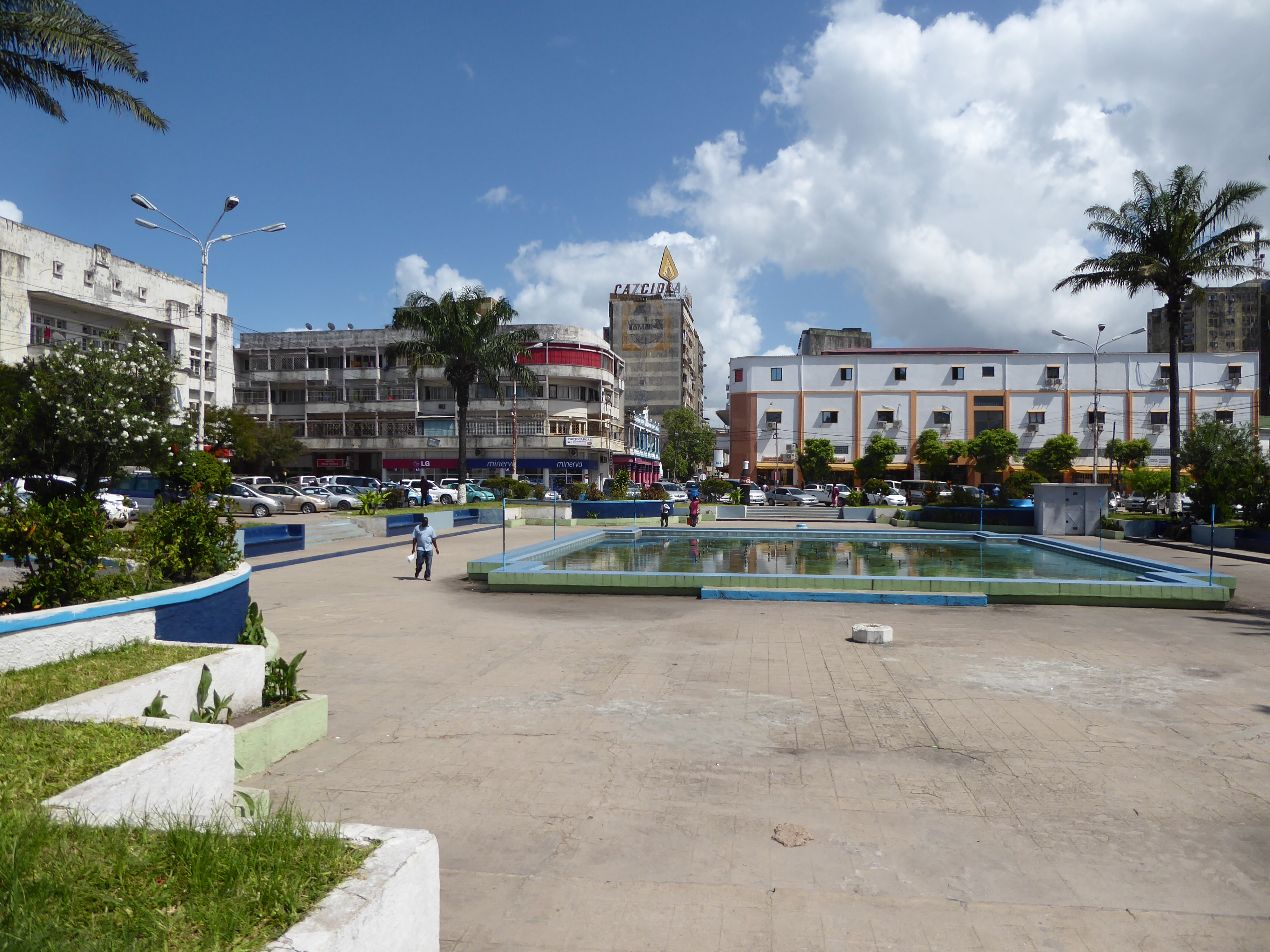
Beira, Mozambique
Data updated Sep 29, 2026
📊 Scores
Best fit: FIRE / Geoarbitrage (score: 69)
Port operations dominate everything here, with the massive Port of Beira handling cargo for half of southern Africa's landlocked countries. Most decent-paying jobs revolve around logistics, shipping companies, and international trade — think Cornelder de Moçambique, CFM railway, and various freight forwarders. Local fishing provides subsistence income, but the real money flows through container terminals and cargo handling. Post-Cyclone Idai reconstruction has created temporary construction work, though much of the economy still runs on informal trade and services.
Expect $600/month for a decent one-bedroom in the center, though post-cyclone housing stock remains limited and quality varies wildly. Portuguese gets you further than English, and basic healthcare exists but serious medical issues mean evacuation to Maputo or South Africa. The bureaucracy moves at typical Mozambican pace — slow and paper-heavy. Cyclone season (November-April) brings genuine infrastructure risk; power outages and water shortages happen regularly even in normal times.
Humid tropical climate means you're either sweating or hiding from rain, with cyclone anxiety every summer. The seafood is excellent when fresh, and the Portuguese-influenced cuisine works well. Expat community is tiny — mostly aid workers, port employees, and a handful of business people. Weekends mean beach time, local markets, or the occasional restaurant with reliable power. This suits hardy professionals in logistics or development work who don't mind infrastructure challenges and genuine climate risk.
🏚️ Cost of Living
💰 Budgets and Costs
Grocery Basket
Eating Out
Utilities & Lifestyle
Housing
A 1BR in the center runs about $600/mo. If your income is in another currency, bank FX fees add up. A multi-currency account can cut that cost.
See low-fee transfersWe may earn a commission at no cost to you.
💰 Real Spend Reports
🛡️ Safety & Crime
(Higher is safer)
(Lower is safer)
Beira presents moderate-to-high safety concerns for expats. Petty theft, armed robbery, and carjacking occur regularly, particularly after dark and in peripheral neighborhoods like Munhava and Ponta Gêa. Gang activity and drug-related violence exist but typically don't target foreigners directly. Scams targeting expats include inflated taxi fares and fake police stops. The city's infrastructure challenges—poor lighting, limited police presence—compound risks. Political stability is generally stable, though occasional civil unrest can disrupt services. Expats should avoid displaying wealth, use trusted transportation, and stay in established expat areas like Polana. This is not a relaxed retirement destination; it requires constant situational awareness and established security protocols.
Beira has a safety index of 40/100. Petty theft and lost belongings are the most common problems for newcomers. Compare travel insurance before you go.
Compare travel insuranceWe may earn a commission at no cost to you.
🏥 Healthcare
🌤️ Climate
Best Months
Climate Notes
Beira has a tropical climate with hot, humid summers (November–March) bringing cyclone risk, and warm, drier winters (May–September) offering more comfortable conditions.
💻 Digital Nomad
Community Notes
| Name | Price/mo | Notes |
|---|---|---|
| Ideas Lab Beira | $50 | A popular local option in Beira, Ideas Lab offers a collaborative environment with reliable internet, a key amenity for digital nomads. Located in the central business district, it's easily accessible and provides a good balance of affordability and functionality. |
| Regus Beira | $120 | Located on Avenida Sofala, Regus provides a professional and established coworking environment. It offers various membership options, meeting rooms, and business support services, making it suitable for remote workers seeking a more structured workspace. |
Working remotely from Beira? Nomad health insurance covers you across borders, month to month.
See nomad insuranceWe may earn a commission at no cost to you.
🧳 Expat Life
Expat Life Notes
A major port city often used by NGO and shipping workers; it is grittier than Maputo.
Pros
- ✓ Maritime trade jobs
- ✓ Affordable seafood
Cons
- ✗ Cyclonic storm risk
- ✗ Safety concerns
- ✗ Limited expat social scene
Could living/working in Beira cut years off your work life?
With a 1-bedroom in the center at $480/mo, your FIRE number here might be much lower than you think.
Moving to Beira? Estimate what an international move would cost and compare mover quotes.
Estimate my move costShare This Guide
Beira won't stay this cheap forever.
Cost-of-living and visa updates for Beira and the rest of Mozambique. Free with RA Postcards.
By submitting your email address, you will receive a free subscription to RA Postcards and special offers from Rewire Abroad and our affiliates. You can unsubscribe at any time, and we encourage you to read more about our Privacy Policy.