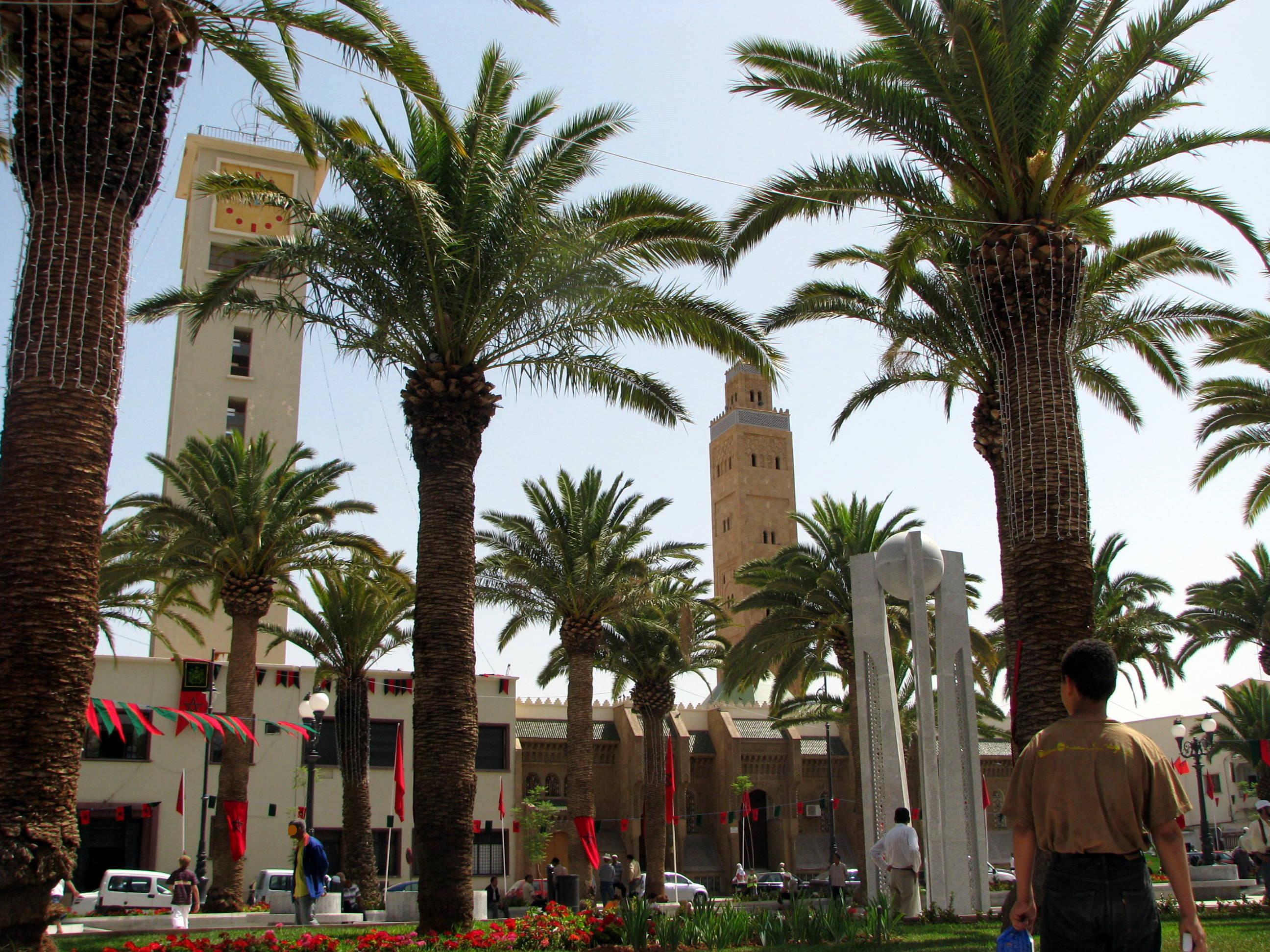
Oujda, Morocco
Data updated Sep 3, 2026
📊 Scores
Agriculture, trade, and small-scale manufacturing drive Oujda's economy, with grain trading and textile production serving the regional market rather than export. The city is Morocco's administrative capital for the Oriental region, so government jobs and public services employ a significant chunk of the workforce. For remote workers or digital nomads, the infrastructure is functional but not optimized — expect slower internet than Casablanca or Rabat. The Algeria border closure since 1994 has quietly strangled what could have been a thriving cross-border trade economy, and that wound hasn't fully healed.
A one-bedroom in the city center runs around $220/month, which is genuinely cheap even by Moroccan standards. Food markets are inexpensive, and local transport is affordable. Healthcare access is the honest friction point — public hospitals are underfunded, and expats with serious conditions typically travel to Fes or Casablanca for reliable private care. Arabic and Darija dominate daily life; French gets you through administrative settings, but English is rarely useful. Bureaucracy follows standard Moroccan patterns: slow, paper-heavy, and easier with a local fixer or patient attitude.
Summers hit 38°C+ regularly, which is punishing without reliable air conditioning. Winters are mild and manageable at around 8°C. The medina and French colonial quarter give the city architectural texture, and the food — particularly grilled meats, msemen, and regional olive oil — is excellent and cheap. The expat community is small and not particularly organized; you won't find the established networks of Marrakech or Rabat. Weekends mean day trips to Saidia's beaches (about 60km north) or the Beni Snassen mountains. This city suits budget-conscious FIRE retirees or remote workers who want authentic Moroccan life without tourist-town pricing or crowds.
🏚️ Cost of Living
💰 Budgets and Costs
Grocery Basket
Eating Out
Utilities & Lifestyle
Housing
A 1BR in the center runs about $220/mo. If your income is in another currency, bank FX fees add up. A multi-currency account can cut that cost.
See low-fee transfersWe may earn a commission at no cost to you.
💰 Real Spend Reports
🛡️ Safety & Crime
(Higher is safer)
(Lower is safer)
Oujda is a relatively safe Moroccan city with a moderate safety profile suitable for expats. Petty theft and pickpocketing occur in crowded markets and transport hubs, particularly the medina and bus stations—stay alert with valuables. Violent crime against foreigners is uncommon, though occasional scams targeting tourists exist. The Algerian border proximity (15km) has historically created some tension, but this rarely affects daily expat life. Avoid displaying wealth, use registered taxis, and stick to established neighborhoods like Ville Nouvelle. Overall, Oujda presents manageable risks comparable to other mid-sized Moroccan cities; reasonable precautions make it viable for remote workers or retirees.
Oujda has a safety index of 60/100. Petty theft and lost belongings are the most common problems for newcomers. Compare travel insurance before you go.
Compare travel insuranceWe may earn a commission at no cost to you.
🏥 Healthcare
🌤️ Climate
Best Months
Climate Notes
Mediterranean climate with semi-arid influences; hot summers and cool winters.
💻 Digital Nomad
Community Notes
| Name | Price/mo | Notes |
|---|---|---|
| Centre d'Affaires et de Coworking Oujda | $80 | Located in the heart of Oujda, this coworking space offers a professional environment with private offices and shared workspaces. It's a good option for those seeking a more formal setting with reliable internet and meeting rooms. |
| Espace de Coworking Oujda | $60 | This coworking space provides a more relaxed and community-focused atmosphere. It's a good choice for digital nomads looking to connect with other entrepreneurs and remote workers in Oujda. |
Planning to live in Oujda long-term? Morocco Digital Nomad Visa lets remote workers live legally.
View full requirements →Working remotely from Oujda? Nomad health insurance covers you across borders, month to month.
See nomad insuranceWe may earn a commission at no cost to you.
🧳 Expat Life
Expat Life Notes
A major border city near Algeria. It is traditional and conservative, with very few international expats.
Pros
- ✓ Authentic Moroccan lifestyle
- ✓ Gateway to Eastern Morocco
- ✓ Low cost of living
Cons
- ✗ Geographic isolation
- ✗ Border security atmosphere
- ✗ Limited English or French among locals
🛂 Visa Options for Morocco
Many long-stay visas require proof of health insurance. Compare international health plans before you apply.
Compare health insuranceWe may earn a commission at no cost to you.
Living on investment or passive income? Morocco Retirement Visa may be the right fit.
View full requirements →Not sure which Morocco visa you qualify for?
Answer 10 questions and get a personalized match in under 2 minutes.
Could living/working in Oujda cut years off your work life?
With a 1-bedroom in the center at $220/mo, your FIRE number here might be much lower than you think.
Moving to Oujda? Estimate what an international move would cost and compare mover quotes.
Estimate my move costShare This Guide
Oujda won't stay this cheap forever.
Cost-of-living and visa updates for Oujda and the rest of Morocco. Free with RA Postcards.
By submitting your email address, you will receive a free subscription to RA Postcards and special offers from Rewire Abroad and our affiliates. You can unsubscribe at any time, and we encourage you to read more about our Privacy Policy.