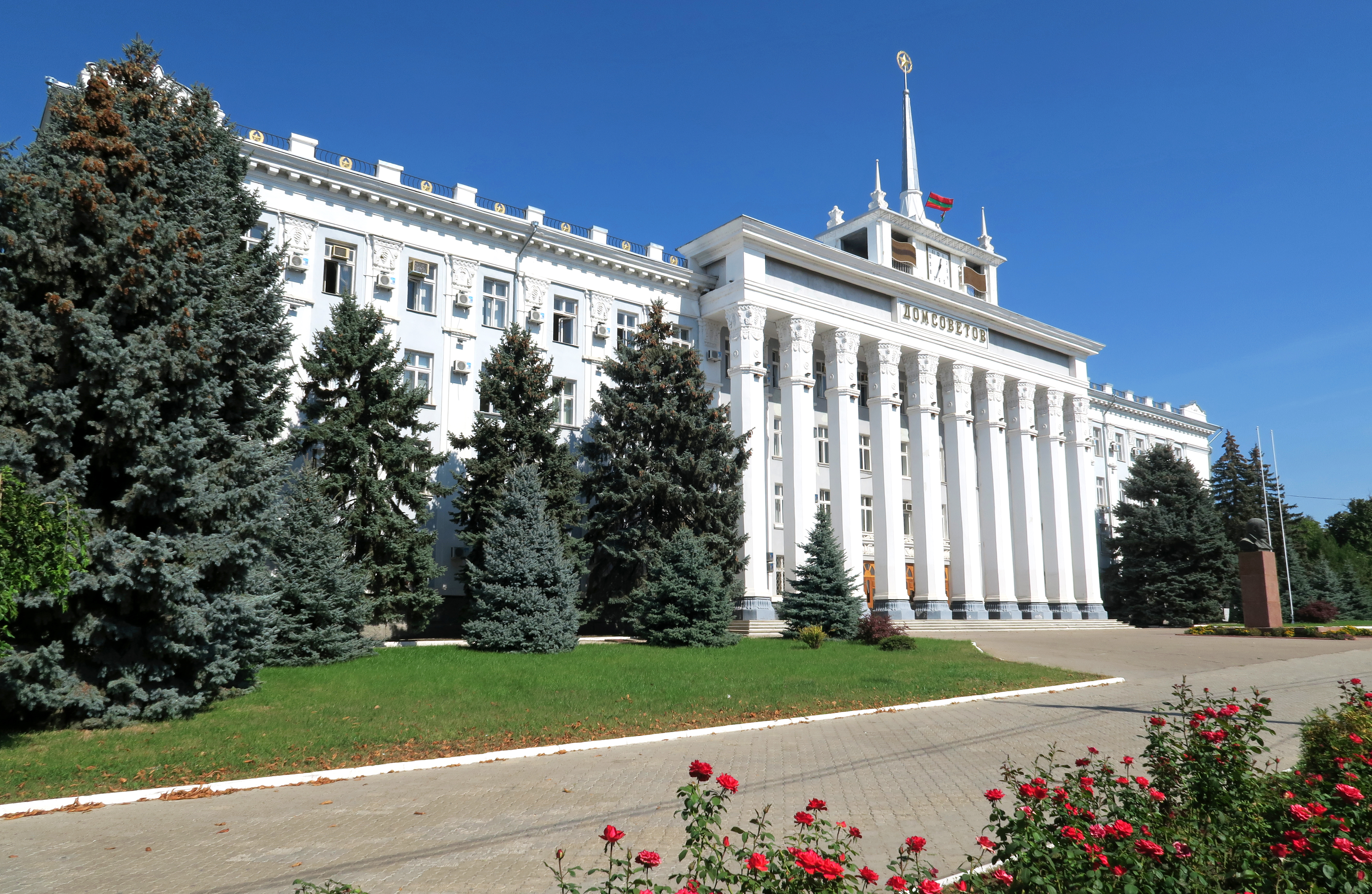
Tiraspol, Moldova
Data updated Sep 29, 2026
📊 Scores
Best fit: FIRE / Geoarbitrage (score: 83)
Soviet-era factories still churn out furniture and electrical goods, keeping this unrecognized capital's economy afloat through state-controlled manufacturing. Most locals work in these light industries or government positions, earning modest salaries that reflect Transnistria's isolation from global markets. The breakaway region's economy runs on Russian subsidies and cross-border trade, creating a peculiar time-capsule environment where Soviet economic structures persist. Job opportunities for foreigners are virtually nonexistent unless you're working for an NGO or have specific ties to the region.
Rent averages $200 monthly for a city center one-bedroom, making housing genuinely affordable even on local wages. Public transport consists of Soviet-era buses and trolleys that cost pennies but break down frequently. Healthcare exists but operates on outdated equipment and limited resources — serious medical issues require travel to Chișinău or beyond. Russian dominates daily life with Cyrillic signage everywhere, though younger locals often speak some English. Bureaucracy involves navigating an unrecognized state's paperwork, which can complicate everything from banking to internet services.
Winters hit -5°C while summers reach 25°C, creating distinct seasons along the Dniester River. The food scene revolves around hearty Eastern European staples and Russian cuisine, with limited international options. Social life centers on Soviet-era cultural institutions and small cafes, while the tiny expat community consists mainly of journalists, researchers, and the occasional adventurous retiree. Weekends mean exploring brutalist architecture or day trips to proper Moldova. This city suits history buffs, Soviet nostalgia seekers, and anyone fascinated by geopolitical anomalies.
🏚️ Cost of Living
💰 Budgets and Costs
Grocery Basket
Eating Out
Utilities & Lifestyle
Housing
A 1BR in the center runs about $171.68/mo. If your income is in another currency, bank FX fees add up. A multi-currency account can cut that cost.
See low-fee transfersWe may earn a commission at no cost to you.
💰 Real Spend Reports
🛡️ Safety & Crime
(Higher is safer)
(Lower is safer)
Tiraspol is relatively safe for expats compared to many post-Soviet cities, with low violent crime and a manageable petty theft risk in crowded areas. The main concerns are pickpocketing in markets and on public transport, occasional scams targeting foreigners, and the need to avoid displaying wealth. The city's geopolitical status as the capital of the unrecognized Transnistrian region creates administrative complexity but poses minimal daily safety risk for residents. Overall, expats report feeling secure with standard urban precautions; the bigger challenge is navigating bureaucracy and limited services rather than personal safety.
🏥 Healthcare
🌤️ Climate
Best Months
Climate Notes
Humid continental climate with hot summers and significant snow in winter.
💻 Digital Nomad
Community Notes
| Name | Price/mo | Notes |
|---|---|---|
| America Dream Coworking | $60 | Located in the city center, America Dream Coworking offers a modern workspace with reliable internet, meeting rooms, and a supportive community. It's a good option for expats looking for a professional environment and networking opportunities. |
| Business House | $50 | Business House provides a central location with various office solutions, including coworking spaces. They offer essential amenities like high-speed internet and printing services, making it suitable for digital nomads needing a functional workspace. |
Planning to live in Tiraspol long-term? Moldova Digital Nomad Visa lets remote workers live legally with a minimum income of $1,500/month.
View full requirements →Working remotely from Tiraspol? Nomad health insurance covers you across borders, month to month.
See nomad insuranceWe may earn a commission at no cost to you.
🧳 Expat Life
Expat Life Notes
Capital of Transnistria. Highly isolated and restricted geopolitical enclave.
Pros
- ✓ Low cost
Cons
- ✗ Political isolation
- ✗ Bureaucracy
- ✗ No English
🛂 Visa Options for Moldova
Many long-stay visas require proof of health insurance. Compare international health plans before you apply.
Compare health insuranceWe may earn a commission at no cost to you.
Earning over $1,500/mo? You may qualify for a Moldova visa.
Answer 10 questions and get a personalized match in under 2 minutes.
Could living/working in Tiraspol cut years off your work life?
With a 1-bedroom in the center at $137/mo, your FIRE number here might be much lower than you think.
Estimate the cost of moving to Tiraspol, Moldova
Get a free moving cost estimate for moving to Tiraspol, Moldova. Takes 10 seconds.
How much are you shipping?
When are you moving?
Powered by Sirelo. Free quotes from verified international movers.
Share This Guide
Tiraspol won't stay this cheap forever.
Cost-of-living and visa updates for Tiraspol and the rest of Moldova. Free with RA Postcards.
By submitting your email address, you will receive a free subscription to RA Postcards and special offers from Rewire Abroad and our affiliates. You can unsubscribe at any time, and we encourage you to read more about our Privacy Policy.