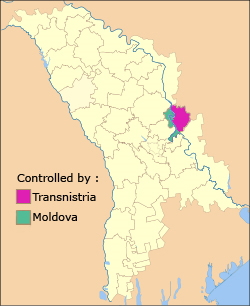
Dubasari, Moldova
Data updated Sep 3, 2026
📊 Scores
Best fit: FIRE / Geoarbitrage (score: 82)
The hydroelectric dam built in 1954 remains Dubăsari's economic anchor, but don't expect a thriving job market. Post-Soviet collapse and the 1992 war gutted industrial capacity; population dropped from 35,800 to 28,500. Government administration, utilities, and subsistence agriculture dominate employment. Most expats here aren't working locally—they're remote workers, retirees, or NGO staff. Wages for local jobs are minimal; serious income requires external sources.
Rent runs $160/month for a one-bedroom in the center—genuinely cheap. Transport is basic: minibuses and shared taxis, no metro. Healthcare exists but is Soviet-era; serious issues mean traveling to Chişinău or beyond. Russian and Ukrainian are spoken; Moldovan less common. Bureaucracy is opaque: Transnistria's political status creates visa ambiguity, and banking/residency paperwork is deliberately unclear. Internet is decent. Expect friction with every official process.
Winters are harsh (below freezing for months), summers warm. Food is hearty Eastern European fare—cheap, filling, limited variety. The expat community is tiny, mostly aid workers and remote workers passing through. Weekends mean Soviet-era parks, the Dniester River, or day trips to Chişinău. This city suits only those comfortable with isolation, political complexity, and minimal English—not digital nomads seeking community or convenience.
🏚️ Cost of Living
💰 Budgets and Costs
Grocery Basket
Eating Out
Utilities & Lifestyle
Housing
A 1BR in the center runs about $160/mo. If your income is in another currency, bank FX fees add up. A multi-currency account can cut that cost.
See low-fee transfersWe may earn a commission at no cost to you.
💰 Real Spend Reports
🛡️ Safety & Crime
(Higher is safer)
(Lower is safer)
Dubasari is a relatively safe small city by Moldovan standards, with a Safety Index of 68 indicating low-to-moderate crime. Petty theft and pickpocketing occur occasionally in crowded areas, but violent crime against expats is uncommon. The main concerns are opportunistic theft, scams targeting foreigners unfamiliar with local practices, and occasional disputes related to the city's complex political status near the Transnistrian region—though this rarely affects daily life for residents. For Americans, the practical risks are minimal if you exercise standard urban caution: avoid displaying valuables, use registered taxis, and stay aware of your surroundings. The geopolitical situation is stable for civilians. Overall, Dubasari is a reasonable choice for remote workers or retirees seeking an affordable, quiet Eastern European base with manageable safety considerations.
🏥 Healthcare
🌤️ Climate
Best Months
Climate Notes
Dubasari has a humid continental climate with warm summers (June-August around 21°C) and cold winters (December-February around -3°C), with moderate precipitation year-round.
💻 Digital Nomad
Community Notes
| Name | Price/mo | Notes |
|---|---|---|
| iHub Chisinau (Closest Option) | $80 | While not directly in Dubasari, iHub Chisinau is the closest established coworking space. It offers a professional environment, reliable internet, and a community of entrepreneurs and tech professionals, making it suitable for digital nomads willing to commute from Dubasari. |
| Generator Hub Chisinau (Closest Option) | $90 | Similar to iHub, Generator Hub is located in Chisinau and provides a modern coworking environment with various membership options. It features meeting rooms, event spaces, and a focus on fostering innovation, making it a viable option for remote workers seeking a more structured workspace near Dubasari. |
Planning to live in Dubasari long-term? Moldova Digital Nomad Visa lets remote workers live legally with a minimum income of $1,500/month.
View full requirements →Working remotely from Dubasari? Nomad health insurance covers you across borders, month to month.
See nomad insuranceWe may earn a commission at no cost to you.
🧳 Expat Life
Expat Life Notes
Dubăsari is a city in the disputed Transnistria region of Moldova, effectively controlled by a breakaway pro-Russian administration unrecognized by most of the world. It is not a viable expat destination due to political instability and legal ambiguity.
Cons
- ✗ Disputed territory - no recognized legal framework
- ✗ Not a viable expat destination
- ✗ No English
- ✗ No expat infrastructure
- ✗ Political uncertainty
🛂 Visa Options for Moldova
Many long-stay visas require proof of health insurance. Compare international health plans before you apply.
Compare health insuranceWe may earn a commission at no cost to you.
Earning over $1,500/mo? You may qualify for a Moldova visa.
Answer 10 questions and get a personalized match in under 2 minutes.
Could living/working in Dubasari cut years off your work life?
With a 1-bedroom in the center at $64/mo, your FIRE number here might be much lower than you think.
Moving to Dubasari? Estimate what an international move would cost and compare mover quotes.
Estimate my move costShare This Guide
Dubasari won't stay this cheap forever.
Cost-of-living and visa updates for Dubasari and the rest of Moldova. Free with RA Postcards.
By submitting your email address, you will receive a free subscription to RA Postcards and special offers from Rewire Abroad and our affiliates. You can unsubscribe at any time, and we encourage you to read more about our Privacy Policy.