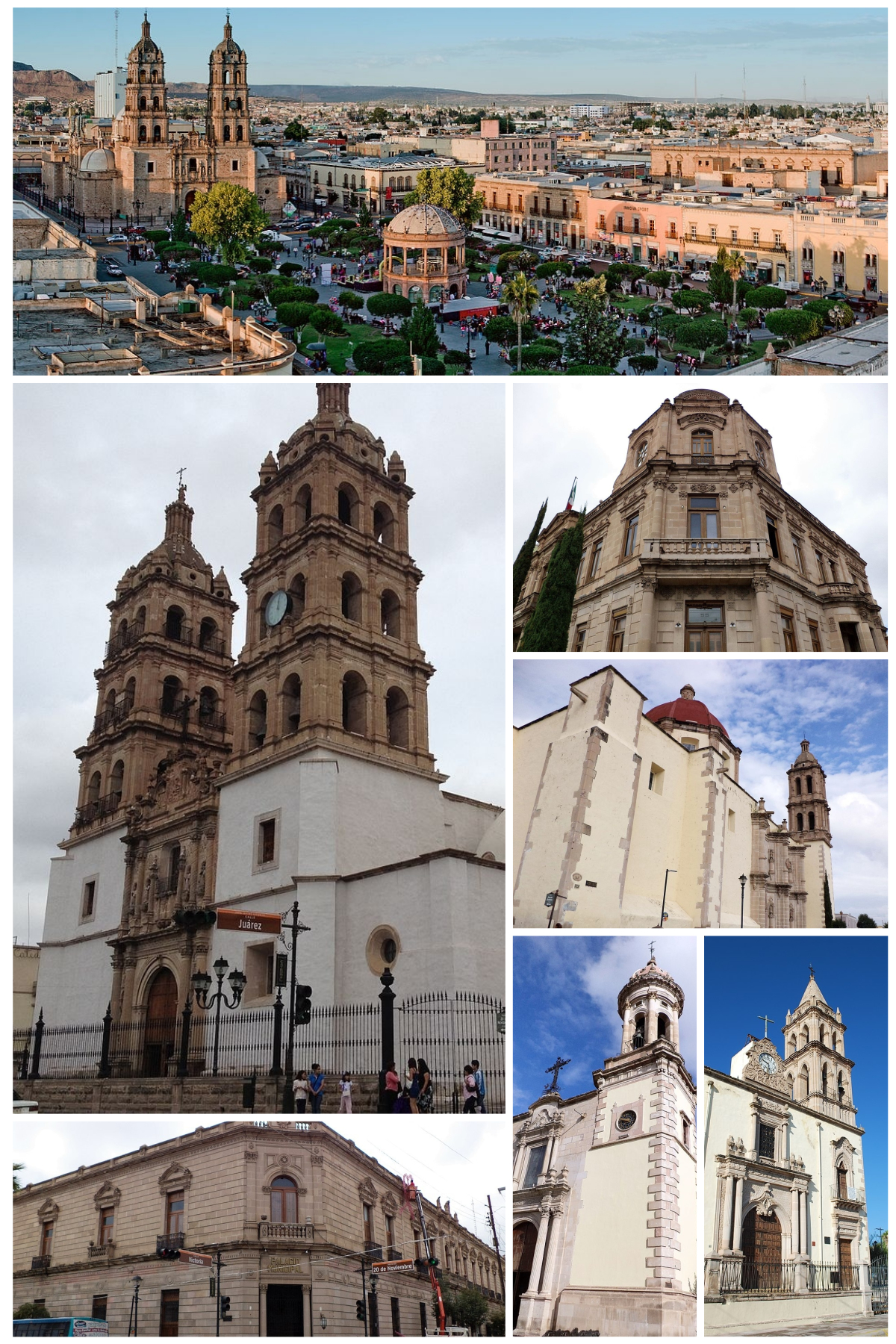
Durango, Mexico
Data updated Sep 29, 2026
📊 Scores
Best fit: FIRE / Geoarbitrage (score: 79)
Mining drives the regional economy here — gold, silver, iron, and mercury extraction in the semi-desert northeast keeps industrial employment steady, but those jobs aren't accessible to most expats. Forestry and timber processing are the other pillars, with reforestation contracts and lumber operations employing a significant local workforce. Remote workers and digital nomads are the realistic path for foreign earners; there's no meaningful expat job market in the traditional sense. Agriculture fills the gaps but pays poorly. Think of this as a resource-extraction economy with a small administrative class centered in the capital.
A one-bedroom in the city center runs around $350/month, which is genuinely low even by Mexican standards — comparable cities like Oaxaca or San Cristóbal run $500–700 for similar quality. Public transport exists but is limited; a car or motorcycle makes life significantly easier given the city's spread and the surrounding terrain. Healthcare is functional at the public IMSS level, with private clinics available for faster service at reasonable out-of-pocket costs. The real friction is language: English penetration is minimal, and navigating residency paperwork, utility setup, or medical appointments without solid Spanish will be a slow, frustrating process.
Sitting at 1,857 meters, the capital stays cooler than coastal Mexico — expect mild summers and genuinely cold winters, occasionally dipping near freezing. The food scene leans heavily on northern Mexican staples: birria, barbacoa, gorditas, and excellent dried chiles. Weekends mean hiking into the Sierra Madre foothills, day trips toward the Barrancas del Cobre region, or exploring the colonial centro. The expat community is small enough that you won't find an established gringo social circuit — which is either a feature or a dealbreaker. This city suits self-sufficient Spanish speakers who want low costs, real altitude, and zero tourist infrastructure.
🏚️ Cost of Living
💰 Budgets and Costs
Grocery Basket
Eating Out
Utilities & Lifestyle
Housing
A 1BR in the center runs about $350/mo. If your income is in another currency, bank FX fees add up. A multi-currency account can cut that cost.
See low-fee transfersWe may earn a commission at no cost to you.
💰 Real Spend Reports
🛡️ Safety & Crime
(Higher is safer)
(Lower is safer)
Durango ranks moderately safe for expats, with a 62/100 Safety Index reflecting manageable but real risks. Organized crime and drug trafficking remain concerns in surrounding regions, though the city center is generally stable. Petty theft, pickpocketing, and home burglaries occur; avoid displaying valuables and use registered taxis. Certain neighborhoods on the periphery warrant caution after dark. For a 30-65 American, Durango is livable with standard precautions—it's safer than many Mexican cities but requires awareness that cartel activity exists regionally. Stick to established expat areas and maintain low visibility.
Durango has a safety index of 62/100. Petty theft and lost belongings are the most common problems for newcomers. Compare travel insurance before you go.
Compare travel insuranceWe may earn a commission at no cost to you.
🏥 Healthcare
🌤️ Climate
Best Months
Climate Notes
Semi-arid climate with warm summers and cool, dry winters.
💻 Digital Nomad
Community Notes
| Name | Price/mo | Notes |
|---|---|---|
| Regus Durango | $150 | A reliable option in Paseo Durango shopping mall, offering private offices and coworking. Good for those who value a professional environment and easy access to amenities. |
| WeWork Blvd. Francisco Villa | $220 | Located on Blvd. Francisco Villa, this WeWork offers a modern and vibrant workspace. It's a good choice for those seeking a community-focused environment with networking opportunities. |
Planning to live in Durango long-term? Mexico Digital Nomad / Remote Worker Visa lets remote workers live legally with a minimum income of $2,600/month.
View full requirements →Working remotely from Durango? Nomad health insurance covers you across borders, month to month.
See nomad insuranceWe may earn a commission at no cost to you.
🧳 Expat Life
Expat Life Notes
Durango is a quiet, historic city with a traditional Mexican lifestyle; expat presence is mostly limited to silver mining or film industry.
Pros
- ✓ Beautiful colonial architecture
- ✓ High safety for the region
- ✓ Affordable living
Cons
- ✗ Limited English prevalence
- ✗ Slower job market
- ✗ Dry, high-altitude climate
🛂 Visa Options for Mexico
Many long-stay visas require proof of health insurance. Compare international health plans before you apply.
Compare health insuranceWe may earn a commission at no cost to you.
Living on investment or passive income? Mexico Temporary Resident Visa may be the right fit — minimum $3,738/month required.
View full requirements →Living on investment or passive income? Mexico Retirement Visa may be the right fit — minimum $4,393/month required.
View full requirements →Earning over $2,600/mo? You may qualify for a Mexico visa.
Answer 10 questions and get a personalized match in under 2 minutes.
Could living/working in Durango cut years off your work life?
With a 1-bedroom in the center at $350/mo, your FIRE number here might be much lower than you think.
Estimate the cost of moving to Durango, Mexico
Get a free moving cost estimate for moving to Durango, Mexico. Takes 10 seconds.
How much are you shipping?
When are you moving?
Powered by Sirelo. Free quotes from verified international movers.
Share This Guide
Durango won't stay this cheap forever.
Cost-of-living and visa updates for Durango and the rest of Mexico. Free with RA Postcards.
By submitting your email address, you will receive a free subscription to RA Postcards and special offers from Rewire Abroad and our affiliates. You can unsubscribe at any time, and we encourage you to read more about our Privacy Policy.