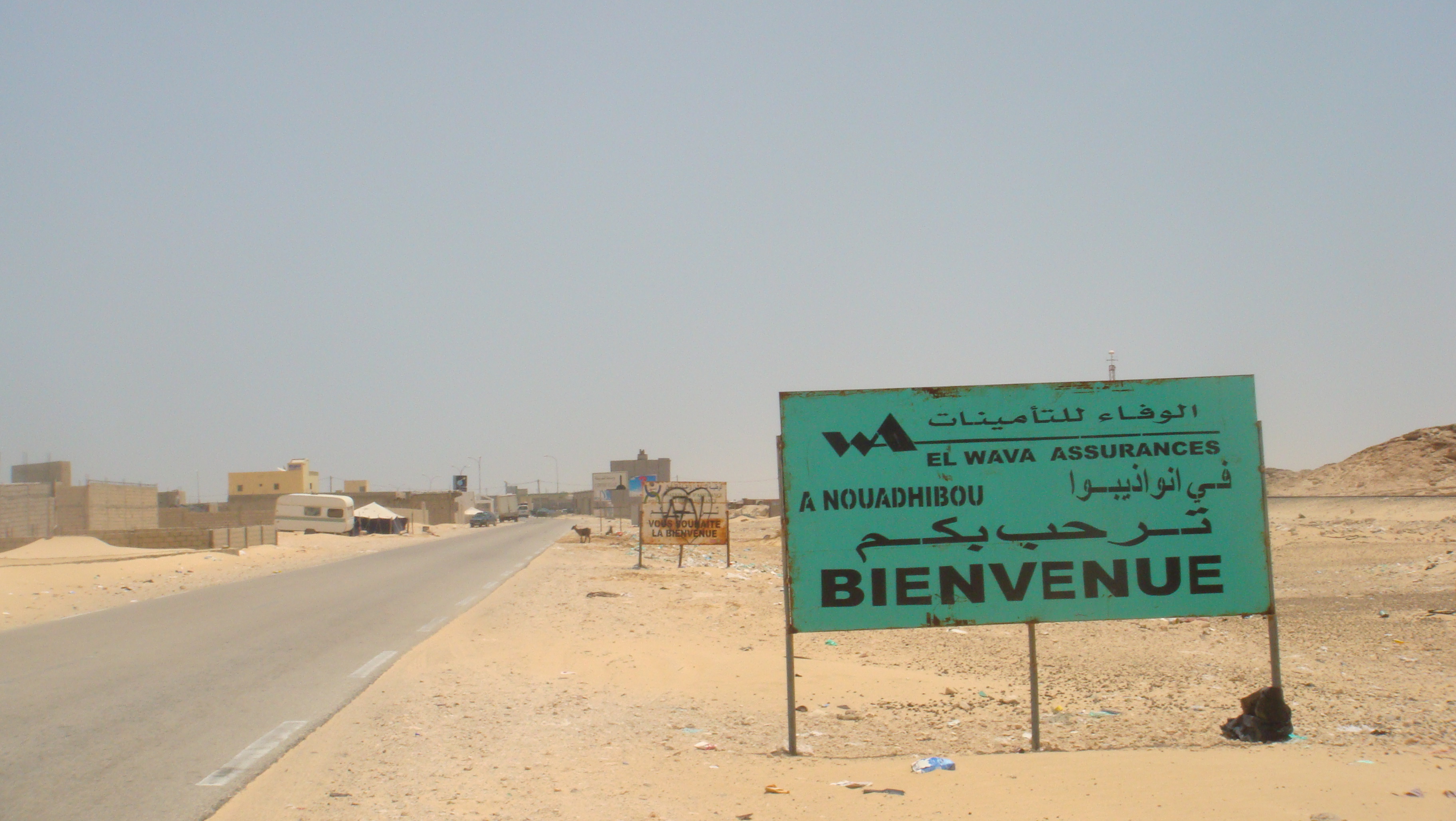
Nouadhibou, Mauritania
Data updated Sep 3, 2026
📊 Scores
Fishing boats and iron ore trains define the economic rhythm here. The port processes catches from Atlantic waters while serving as the terminus for a 704-kilometer railway hauling iron ore from inland mines. Most locals work in fishing, port operations, or mineral processing, with some government jobs and small trade businesses. The economy swings with commodity prices and fishing seasons, making steady income unpredictable. Foreign workers typically find opportunities in mining companies or international organizations, but job prospects for expats remain limited outside specialized roles.
Rent averages $350/month for a one-bedroom in the city center, though housing quality varies dramatically between areas like Cansado (better) and worker dormitories (basic). Arabic and French dominate daily life—English gets you nowhere. Healthcare is minimal; serious medical issues require evacuation to Nouakchott or abroad. The bureaucracy moves slowly, and getting residence permits involves multiple trips to understaffed offices. Public transport is informal shared taxis, while the international airport provides decent connectivity to West Africa and Europe.
Desert meets ocean creates surprisingly moderate temperatures averaging 21°C, though dust storms and virtually zero rainfall (18mm annually) define the climate. Weekends mean exploring the haunting ship graveyard with 300+ scuttled vessels or meteorite hunting in nearby desert. The expat community is tiny—mostly aid workers, mining engineers, and researchers. Social life revolves around small gatherings and the occasional cultural event. This city suits adventurous professionals seeking unique experiences over comfort, particularly those in extractive industries or development work.
🏚️ Cost of Living
💰 Budgets and Costs
Grocery Basket
Eating Out
Utilities & Lifestyle
Housing
A 1BR in the center runs about $64.85/mo. If your income is in another currency, bank FX fees add up. A multi-currency account can cut that cost.
See low-fee transfersWe may earn a commission at no cost to you.
💰 Real Spend Reports
🛡️ Safety & Crime
(Higher is safer)
(Lower is safer)
Nouadhibou presents moderate safety challenges typical of Mauritania's port cities. Petty theft, pickpocketing, and opportunistic robbery occur, particularly in crowded markets and near the port district. Violent crime against expats is uncommon but carjacking and home burglary happen. Avoid displaying wealth, traveling alone at night, and the Cansado neighborhood after dark. Political instability and occasional militant activity in the Sahel region warrant awareness, though Nouadhibou itself remains relatively insulated. For a 30-65 American, this requires street smarts and local networks but is manageable with precautions; it's not a top-tier expat destination for safety.
Nouadhibou has a safety index of 55/100. Petty theft and lost belongings are the most common problems for newcomers. Compare travel insurance before you go.
Compare travel insuranceWe may earn a commission at no cost to you.
🏥 Healthcare
🌤️ Climate
Best Months
Climate Notes
Nouadhibou has a hot desert climate with mild winters (November–February) and very hot summers (June–September), moderated by Atlantic coastal breezes that keep it cooler than inland Mauritania.
💻 Digital Nomad
Community Notes
| Name | Price/mo | Notes |
|---|---|---|
| Espace de Coworking Nouadhibou | $75 | A popular local coworking space in the city center, offering a reliable internet connection, air conditioning, and a community atmosphere. It's a good option for digital nomads looking for a budget-friendly and social workspace. |
| Centre d'Affaires de Nouadhibou | $100 | Located near the port area, this business center provides coworking options with private offices and meeting rooms. It's suitable for remote workers needing a more professional environment and access to administrative support. |
Working remotely from Nouadhibou? Nomad health insurance covers you across borders, month to month.
See nomad insuranceWe may earn a commission at no cost to you.
🧳 Expat Life
Expat Life Notes
Iron-ore hub. expat presence is purely industrial and isolated.
Pros
- ✓ Industry pay
Cons
- ✗ Arid heat
- ✗ Lack of services
- ✗ Political sensitivity
Could living/working in Nouadhibou cut years off your work life?
With a 1-bedroom in the center at $52/mo, your FIRE number here might be much lower than you think.
Moving to Nouadhibou? Estimate what an international move would cost and compare mover quotes.
Estimate my move costShare This Guide
Nouadhibou won't stay this cheap forever.
Cost-of-living and visa updates for Nouadhibou and the rest of Mauritania. Free with RA Postcards.
By submitting your email address, you will receive a free subscription to RA Postcards and special offers from Rewire Abroad and our affiliates. You can unsubscribe at any time, and we encourage you to read more about our Privacy Policy.