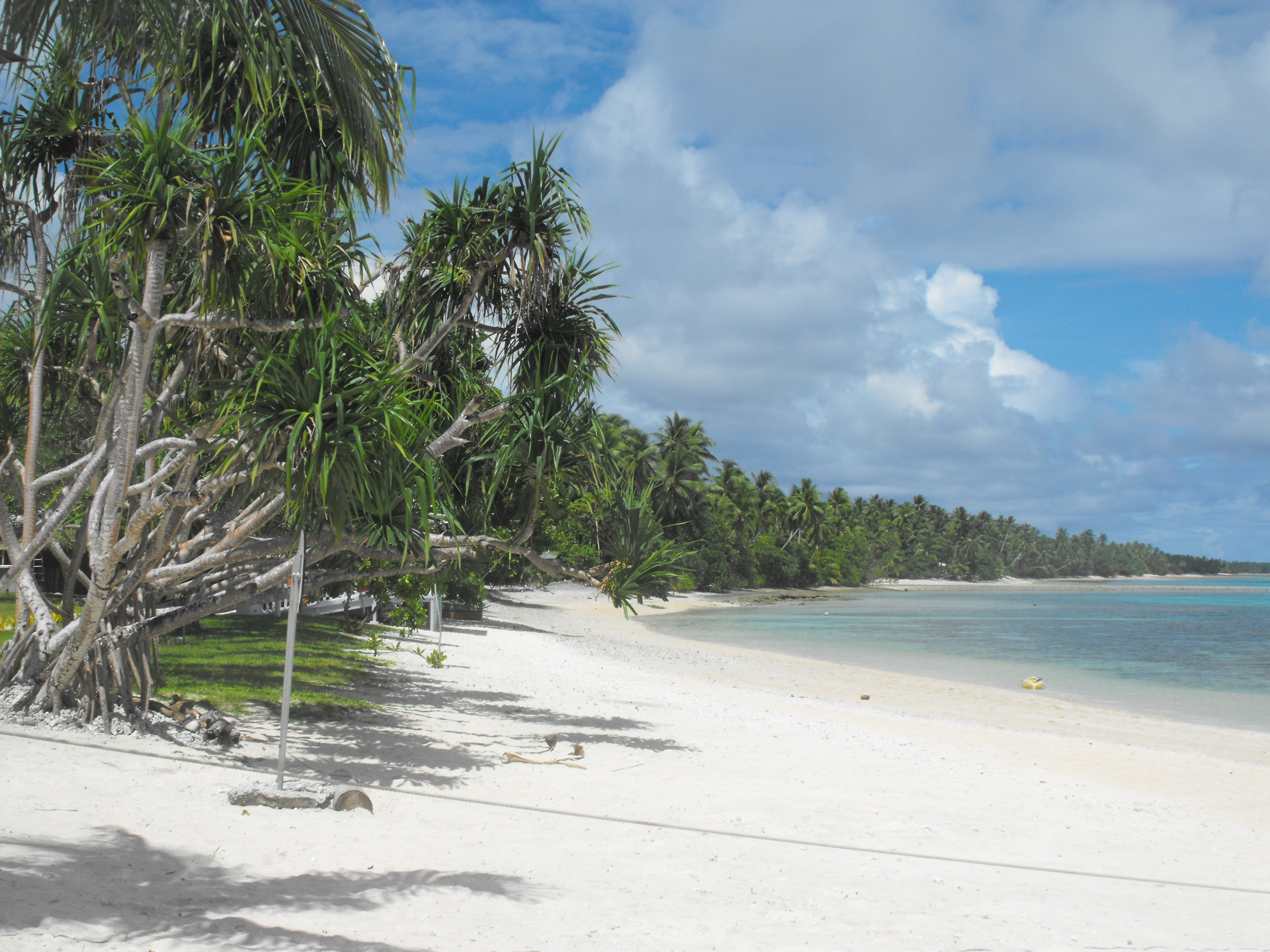
Majuro, Marshall Islands
Data updated Sep 29, 2026
📊 Scores
Best fit: Retiree (score: 51)
Government employment dominates Majuro's economy—the Nitijeļā (parliament) and associated ministries are the largest employers, offering stable but modest salaries. Tourism and shipping services provide secondary income; the port handles significant Pacific maritime traffic. Retail and hospitality fill gaps. Private sector work is limited; most expats either work remotely, secure government contracts, or run small businesses serving the transient population. Wages are low by Western standards, and the job market heavily favors those with government connections or specialized skills.
Rent for a one-bedroom in central Delap-Uliga-Djarrit runs $833/month—expensive for the region but reflects limited housing stock on a narrow atoll. Transport is walkable in DUD; taxis are cheap but unreliable. Healthcare is basic; serious conditions require evacuation to Guam or Hawaii, costing thousands out-of-pocket unless insured. English is widely spoken. Bureaucracy is slow but manageable; residency permits require sponsorship. Typhoons are rare, but rising sea levels pose genuine long-term risk. Imported goods cost 30–50% more than stateside.
Heat, humidity, and rain are relentless—27°C year-round with 3,200mm annual precipitation. Weekends mean diving, fishing, or island-hopping via regional flights to Kiribati or Nauru. The expat community is small and transient (diplomats, NGO workers, remote employees), so social life requires initiative. Food is limited and expensive; fresh produce is scarce. Majuro suits remote workers with savings, climate-resilient temperaments, and tolerance for isolation—not casual tourists or those seeking vibrant nightlife.
🏚️ Cost of Living
💰 Budgets and Costs
Grocery Basket
Eating Out
Utilities & Lifestyle
Housing
A 1BR in the center runs about $766.67/mo. If your income is in another currency, bank FX fees add up. A multi-currency account can cut that cost.
See low-fee transfersWe may earn a commission at no cost to you.
💰 Real Spend Reports
🛡️ Safety & Crime
(Higher is safer)
(Lower is safer)
Majuro presents moderate safety concerns for expats. While violent crime rates are relatively low, petty theft, burglary, and opportunistic crime targeting foreigners occur regularly, particularly in downtown areas and near the port. Drug-related activity and occasional gang tensions exist but rarely affect expat communities directly. The main risks are property crime and scams; secure housing and avoiding displays of wealth are essential. Limited police resources and response times can be slow. For a 30-65 year-old considering relocation, Majuro is manageable with sensible precautions, but it's not a particularly safe destination compared to developed nations—suitable mainly for those with prior expat experience and realistic expectations.
Majuro has a safety index of 53/100. Petty theft and lost belongings are the most common problems for newcomers. Compare travel insurance before you go.
Compare travel insuranceWe may earn a commission at no cost to you.
🏥 Healthcare
🌤️ Climate
Best Months
Climate Notes
Majuro has a tropical climate with consistently warm temperatures year-round, high humidity, and a wet season from May to November with frequent typhoons.
💻 Digital Nomad
Community Notes
| Name | Price/mo | Notes |
|---|---|---|
| Marshall Islands Resort | $150 | While not a dedicated coworking space, the Marshall Islands Resort offers reliable Wi-Fi, comfortable seating in its lobby and common areas, and a business center. It's a good option for remote workers seeking a relaxed environment with amenities like food and beverage service in Uliga. |
| Robert Reimers Enterprises (RRE) Hotel | $100 | Similar to the Marshall Islands Resort, the RRE Hotel provides a business center and public spaces with Wi-Fi suitable for basic remote work. Located in downtown Majuro, it offers convenient access to shops and restaurants, making it a practical choice for digital nomads. |
Working remotely from Majuro? Nomad health insurance covers you across borders, month to month.
See nomad insuranceWe may earn a commission at no cost to you.
🧳 Expat Life
Expat Life Notes
A remote island capital with a small expat population, primarily US embassy staff and NGO workers. Life is basic and defined by oceanic conditions.
Pros
- ✓ Unique oceanic lifestyle
- ✓ US influence and currency
- ✓ Good diving
Cons
- ✗ Severe isolation
- ✗ Infrastructure challenges
- ✗ Threat of rising sea levels
Could living/working in Majuro cut years off your work life?
With a 1-bedroom in the center at $307/mo, your FIRE number here might be much lower than you think.
Estimate the cost of moving to Majuro, Marshall Islands
Get a free moving cost estimate for moving to Majuro, Marshall Islands. Takes 10 seconds.
How much are you shipping?
When are you moving?
Powered by Sirelo. Free quotes from verified international movers.
Share This Guide
Majuro won't stay this cheap forever.
Cost-of-living and visa updates for Majuro and the rest of Marshall Islands. Free with RA Postcards.
By submitting your email address, you will receive a free subscription to RA Postcards and special offers from Rewire Abroad and our affiliates. You can unsubscribe at any time, and we encourage you to read more about our Privacy Policy.