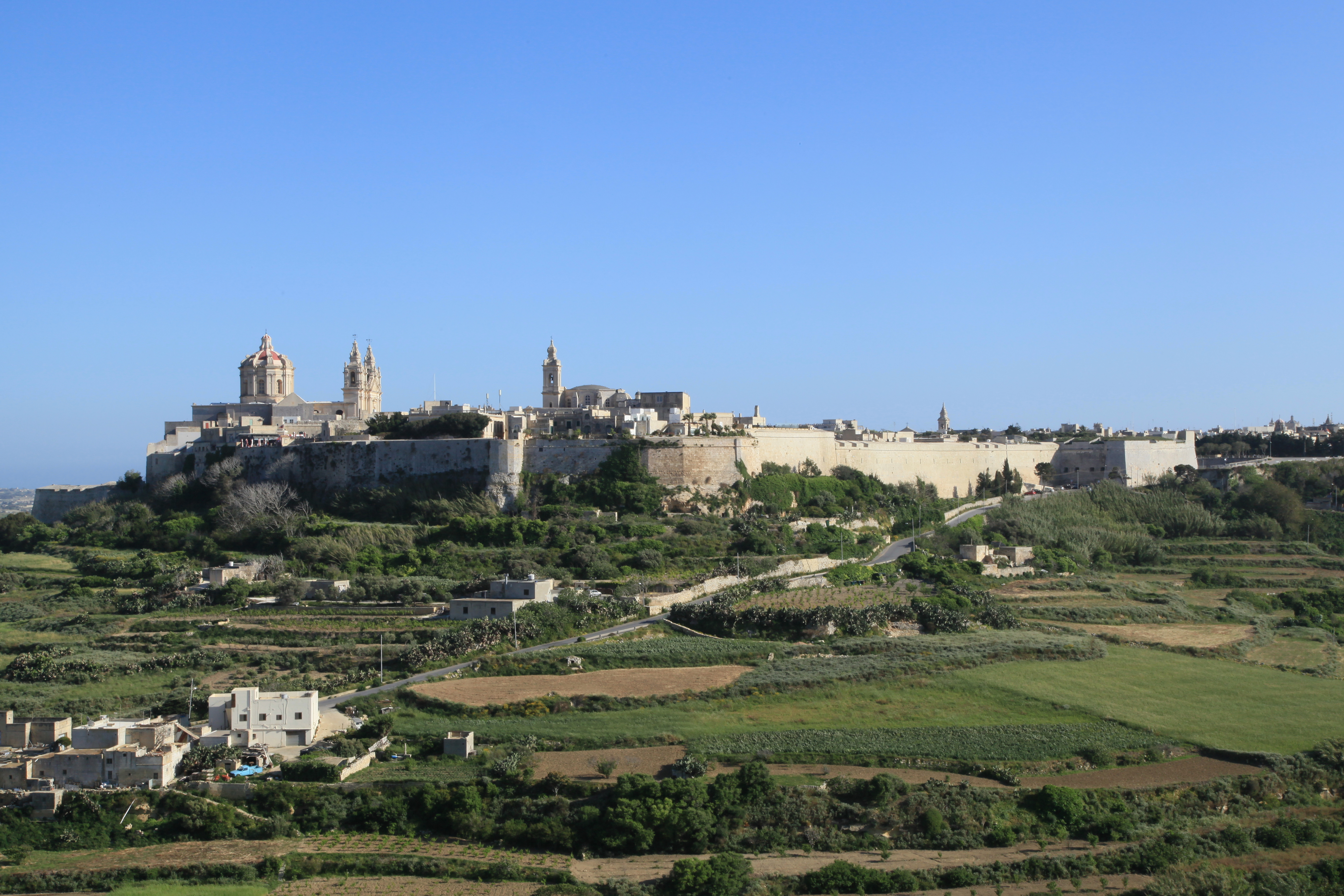
Mdina, Malta
Data updated Sep 3, 2026
📊 Scores
Tourism is the only real economy here. With 250,000+ annual visitors funneling through medieval streets, income flows from restaurants, artisan shops, cultural tours, and hospitality. There are no traditional employers or job market—you either own a business catering to tourists or you don't work in Mdina. Remote work is the realistic path for most expats; locals are old noble families who've owned property for generations and aren't hiring.
Rent doesn't exist in the traditional sense—property is locked in family ownership, so you're buying or renting privately at inflated tourist-area rates (€800–1,500/month for a small apartment). Buses connect to Valletta and beyond, but medieval streets ban cars, so you walk everywhere. Healthcare is accessible via Malta's public system or private clinics in nearby towns. Maltese is the official language, but English is widely spoken in tourist zones. Bureaucracy for residency is straightforward compared to EU mainland, but property acquisition is deliberately opaque.
Summers hit 35°C; winters stay mild around 12°C. Food is Mediterranean—fresh seafood, pastizzi, rabbit stews—but restaurants cater to tourists with inflated prices. The expat community is tiny; most residents are tourists or locals. Weekends mean exploring the Cathedral, walking silent streets at dawn before crowds arrive, or day-tripping to Valletta. This suits remote workers seeking a quiet, historically immersive base with reliable sun—not people seeking nightlife, job opportunities, or an active expat social scene.
🏚️ Cost of Living
💰 Budgets and Costs
Grocery Basket
Eating Out
Utilities & Lifestyle
Housing
A 1BR in the center runs about $900/mo. If your income is in another currency, bank FX fees add up. A multi-currency account can cut that cost.
See low-fee transfersWe may earn a commission at no cost to you.
💰 Real Spend Reports
🛡️ Safety & Crime
(Higher is safer)
(Lower is safer)
Mdina is exceptionally safe for expats, with minimal street crime, theft, or violent incidents. This fortified medieval town of 200 residents experiences virtually no organized crime or gang activity. Primary concerns are petty pickpocketing in tourist areas during peak season and occasional scams targeting visitors unfamiliar with local prices. As a permanent resident, you'll find the tight-knit community and police presence reassuring. The main practical consideration is isolation—limited nightlife, services, and social opportunities may challenge some expats. Overall, Mdina ranks among Europe's safest small towns for remote workers and retirees seeking tranquility over urban amenities.
🏥 Healthcare
🌤️ Climate
Best Months
Climate Notes
Mdina experiences a Mediterranean climate with hot, dry summers (June-September) and mild, occasionally rainy winters (December-February), making it ideal for those seeking warm weather with manageable humidity.
💻 Digital Nomad
Community Notes
| Name | Price/mo | Notes |
|---|---|---|
| SOHO Office Space | $300 | While not directly *in* Mdina (population 201), SOHO is a well-regarded coworking option in nearby locations like Sliema and St. Julian's, easily accessible by car or public transport. They offer modern facilities, a professional atmosphere, and networking opportunities, making it a good base for expats exploring Malta. |
| Regus - Malta, Business Centre | $250 | Similar to SOHO, Regus doesn't have a location directly in Mdina, but has a location in St. Julian's. It provides a reliable, globally recognized coworking experience with various office solutions and is a convenient option for digital nomads seeking a professional environment close to Mdina. |
Planning to live in Mdina long-term? Malta Digital Nomad Residence Permit lets remote workers live legally with a minimum income of $3,997/month.
View full requirements →Working remotely from Mdina? Nomad health insurance covers you across borders, month to month.
See nomad insuranceWe may earn a commission at no cost to you.
🧳 Expat Life
Expat Life Notes
The 'Silent City.' An elite, historic walled city with very few residents and a high prestige.
Pros
- ✓ Breathtaking history
- ✓ Extreme safety
- ✓ Quiet and peaceful
Cons
- ✗ Extremely expensive/unavailable property
- ✗ Tourist crowds during day
- ✗ No commercial amenities
🛂 Visa Options for Malta
Many long-stay visas require proof of health insurance. Compare international health plans before you apply.
Compare health insuranceWe may earn a commission at no cost to you.
Earning over $3,997/mo? You may qualify for a Malta visa.
Answer 10 questions and get a personalized match in under 2 minutes.
Could living/working in Mdina cut years off your work life?
With a 1-bedroom in the center at $360/mo, your FIRE number here might be much lower than you think.
Moving to Mdina? Estimate what an international move would cost and compare mover quotes.
Estimate my move costShare This Guide
Mdina won't stay this cheap forever.
Cost-of-living and visa updates for Mdina and the rest of Malta. Free with RA Postcards.
By submitting your email address, you will receive a free subscription to RA Postcards and special offers from Rewire Abroad and our affiliates. You can unsubscribe at any time, and we encourage you to read more about our Privacy Policy.