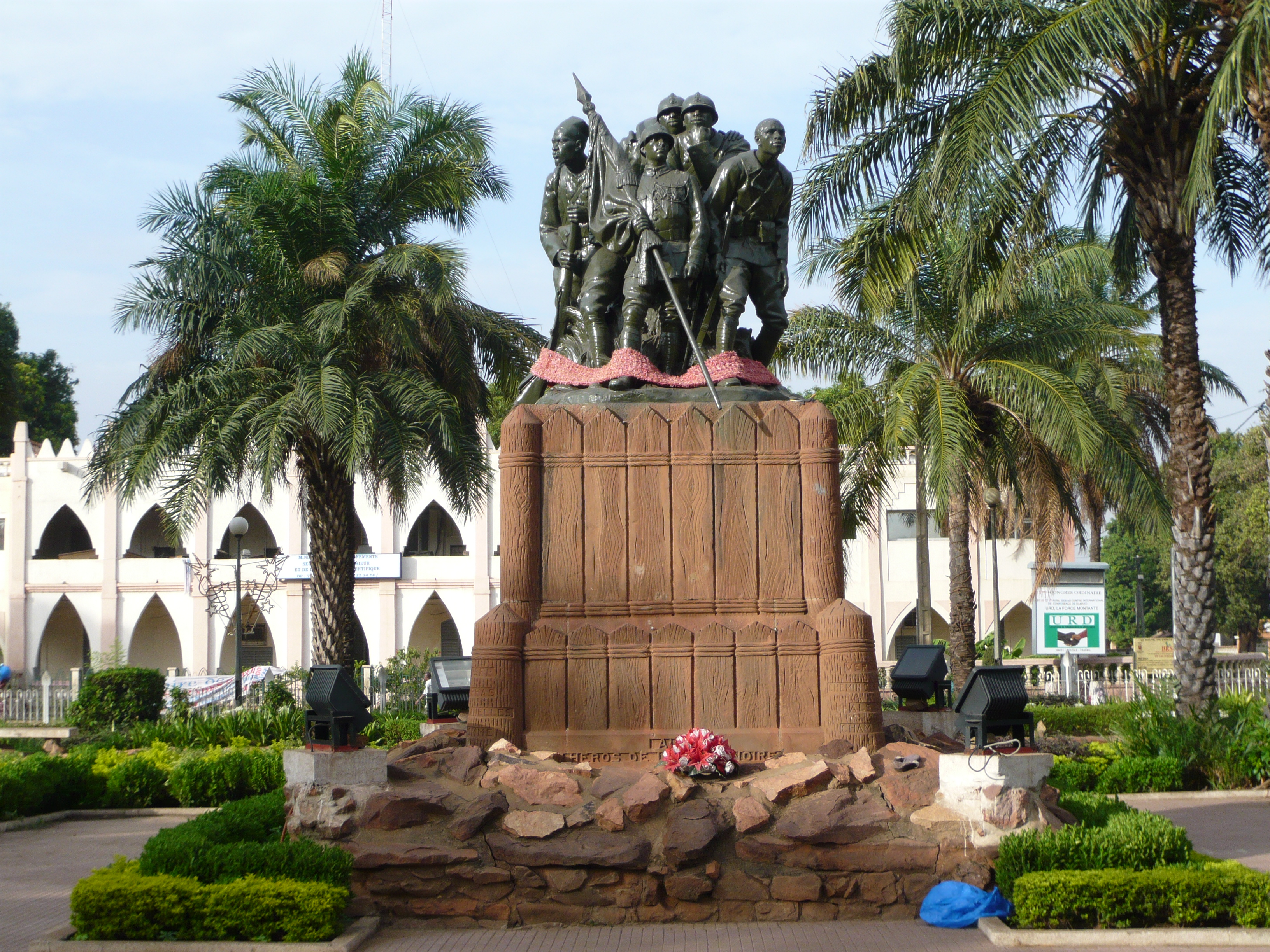
Mali's capital runs on government, aid money, and informal trade — in roughly that order. Textiles, processed meat, and metal goods manufacturing provide industrial employment, and commercial fishing on the Niger River sustains a significant portion of the working population. The Koulikoro river port nearby keeps regional trade moving. For expats, the realistic employment picture is NGOs, UN agencies, diplomatic missions, and development organizations, which maintain a steady presence here. Private-sector opportunities outside those channels are thin, and remote work is viable only if your internet situation is carefully managed.
A one-bedroom in the city center runs around $480/month — reasonable by West African capital standards, though prices have climbed with recent development. French is the official language and non-negotiable for any serious administrative task; Bambara dominates daily street life, and neither is optional if you want to function independently. Healthcare is a genuine concern: facilities are limited, and most expats with serious conditions evacuate to Dakar or Paris. Bureaucracy is slow and opaque. The security situation is real — a safety index of 40 reflects ongoing instability in Mali broadly, and movement requires situational awareness.
The Sahel climate means brutal heat from March through May, a rainy season from June to September that brings some relief, and genuinely pleasant dry-season months from November through February. Food is cheap and good if you eat local — rice, grilled fish from the Niger, and street-side brochettes are daily staples. The expat community exists but is small, concentrated around NGO and diplomatic circles, and social life largely revolves around those networks. Weekends mean the Niger riverbanks, the National Museum, or private compound gatherings. This city suits experienced development-sector professionals or researchers who already know West Africa and aren't expecting comfort as a baseline.
Estimate the cost of moving to Bamako, Mali
Get a free moving cost estimate for moving to Bamako, Mali. Takes 10 seconds.
How much are you shipping?
When are you moving?
Powered by Sirelo. Free quotes from international movers.
🏚️ Cost of Living
💰 Budgets and Costs
A category breakdown is not available for Bamako yet. We publish a breakdown only when every category can be priced from local data, rather than showing figures we cannot stand behind.
Bamako presents significant safety challenges for expats. A Safety Index of 40 reflects real concerns: petty theft, armed robbery, and carjacking occur regularly, particularly after dark and in peripheral neighborhoods. The political instability and military presence add layers of unpredictability. Expats typically cluster in secured compounds in Koulouba or ACI 2000, where security is tighter. Avoid displaying wealth, traveling alone at night, and straying into unfamiliar areas. Healthcare and emergency services are limited. This city requires serious security awareness and isn't suitable for those uncomfortable with substantial risk.
Bamako has a safety index of 51.17/100. Petty theft and lost belongings are the most common problems for newcomers. Compare travel insurance before you go.
See how Bamako's digital nomad life compares with Plettenberg Bay
🧳 Expat Life
English Proficiency
Limited
Expat Community
Small
Top Neighborhoods
Badalabougou, Hippodrome
Banks Nearby
166
ATMs Nearby
26
Expat Life Notes
Relocation is generally limited to diplomatic or NGO staff due to regional security concerns; French is essential.
Pros
✓ Vibrant music culture
✓ Low local costs
✓ Tight expat circle
Cons
✗ High safety risk in region
✗ Extreme heat
✗ Limited English spoken (French required)
🏘️ Neighborhoods in Bamako
Areas of Bamako that expats often consider.
The US government advises against travel to this country. Check the current government travel advisory before you book.
Conditions can change from one block to the next, and these descriptions are general guides, not safety assessments. Before choosing where to stay or live, check current travel advisories, talk to people who live there, and visit in person if you can.
ACI 2000
Modern, upscale, business district
ACI 2000 is a planned district with modern buildings, businesses, and some higher-end residences. It's popular with expats and wealthier Malians due to its relative safety and amenities. While walkable in some areas, taxis are generally needed for longer distances.
Badalabougou
Bustling market, local life
Badalabougou is a vibrant, densely populated area known for its large market. It offers a more authentic Malian experience but can be overwhelming for some expats due to the crowds, noise, and limited English spoken. Housing is more affordable here.
Hippodrome
Residential, quiet, central location
Hippodrome is a more established residential area, relatively quiet compared to other parts of Bamako. It's centrally located, making it convenient for accessing other parts of the city. Some expats choose this area for its calmer atmosphere and proximity to amenities.
Hamdallaye
Commercial, lively, affordable living
Hamdallaye is a busy commercial area with a mix of residential options. It's a more affordable option than ACI 2000 or Hippodrome, but it can be noisy and crowded. While not particularly expat-focused, it offers a glimpse into everyday Malian life.
Quartier du Fleuve
Historic, riverside, government area
Located along the Niger River, Quartier du Fleuve is home to government buildings and some older colonial-era architecture. It's generally considered a safer and more desirable area, attracting some expats. Walkability varies, but taxis are readily available.
Kalaban Coura
Residential, growing, mixed income
Kalaban Coura is a rapidly developing residential area with a mix of housing options. It's further from the city center but offers more space and potentially lower rents. It's less expat-heavy, requiring some French language skills to navigate effectively.
Page 1 of 2
Could living/working in Bamako cut years off your work life?
With a 1-bedroom in the center at $175/mo, your FIRE number here might be much lower than you think.
In Bamako, a one-bedroom runs $175 in the center and $80.00 outside it and three bedrooms come to $500 in the center and $300 outside it, per month.
Average monthly net salary in Bamako is $262.
Bamako scores 51.17 on the safety index (higher is safer) and a crime index of 48.83 (lower is safer).
Average internet speed in Bamako is 12 Mbps. A home connection costs about $65/mo.
In Bamako, summer averages 39°C, winter averages 17°C and annual rainfall is 711 mm.
Bamako carries a safety index of 40, which reflects real risk. The city itself is calmer than Mali's northern and central regions, but security incidents do occur. Most expats working here follow organizational security protocols, avoid certain areas after dark, and stay informed through embassy alerts. It's manageable with discipline, but it's not a place to be casual about personal security.
Yes, practically speaking. French is the language of government, business, and formal institutions. Bambara is what most people speak day-to-day in markets and neighborhoods. You can get by with French alone in professional settings, but learning basic Bambara phrases will make daily life significantly easier and earns you real goodwill from locals.
Limited. There are private clinics that handle routine care adequately, and expats typically use facilities catering to the diplomatic and NGO community. For anything serious — surgery, complex diagnostics, specialist care — most people evacuate to Dakar or Paris. Comprehensive international health insurance with medical evacuation coverage is not optional here; it's essential.
Bamako is very affordable. You can rent a decent apartment in ACI 2000 for around $500-$800 USD per month. Groceries are cheap at local markets, and eating out at a nice restaurant will only set you back $15-$25.
For long-term stays, you'll need to apply for a residency permit (carte de séjour) through the Malian immigration authorities. The process can be bureaucratic, so it's best to hire a local lawyer to help navigate the paperwork and requirements. Start the process well in advance of your tourist visa expiring.
While French is the primary language, some doctors at private clinics like the Polyclinique Pasteur speak English. It's always a good idea to have a translator app handy and consider learning basic medical phrases in French.
ACI 2000 is a popular choice for expats due to its modern amenities and relative safety. Badalabougou is another option, offering a more local feel with a mix of housing options. Avoid areas like Niarela at night.
Internet speeds can be unreliable. While 4G is available, it's not always consistent. Look for accommodations that offer fiber optic connections, and consider getting a local SIM card as a backup. Coworking spaces are limited but growing.
Opening a bank account can be challenging. Ecobank and Orabank are common choices. For international transfers, services like Wise (formerly TransferWise) or WorldRemit are often more convenient and offer better exchange rates than traditional banks. ATMs are available, but it's wise to withdraw larger sums to avoid frequent fees.
Bamako has a hot, semi-arid climate. Expect a long dry season from October to May with intense heat, especially in March and April. The rainy season is from June to September, bringing humidity and occasional flooding. Pack light, breathable clothing.
The expat community is relatively small but active, largely composed of NGO workers, diplomats, and business professionals. Check Facebook groups and online forums to connect. The French Cultural Center often hosts events that attract both locals and expats.
Public transportation mainly consists of buses and shared taxis (sotramas). They are cheap but can be crowded and unreliable. Many expats opt for private taxis or hire a driver for convenience and safety, especially at night.
If you're frugal, you could potentially retire on $1500-$2000 USD per month, covering rent, food, and basic expenses. However, $2500-$3000 USD would provide a more comfortable lifestyle, allowing for travel and entertainment. Healthcare costs should also be factored in.
As a US citizen, you're still required to file US taxes even while living abroad. The Foreign Earned Income Exclusion (FEIE) can help you exclude a certain amount of your income from US taxes. Also, be aware of FBAR reporting requirements for foreign bank accounts exceeding $10,000.
Bamako offers significant geoarbitrage opportunities. By earning income in USD or EUR and spending in Malian CFA francs, you can stretch your budget considerably. Focus on finding affordable housing outside the most expensive expat areas and embrace local markets for groceries.
Daily life can be challenging without French. While some people in tourist areas or international organizations speak English, most locals do not. Learning basic French phrases is essential for navigating markets, transportation, and everyday interactions. Expect to rely on translation apps frequently.
Be aware of petty theft, especially in crowded areas. Avoid walking alone at night in less-lit areas. Be cautious of overly friendly strangers offering assistance, as they may be trying to scam you. Keep your valuables secure and be aware of your surroundings.
Investment options are limited compared to developed countries. Real estate can be an option, but due diligence is crucial. Consider investing in businesses that cater to the growing middle class. However, be aware of the political and economic risks involved. Diversify your portfolio and consult with a financial advisor familiar with investing in emerging markets.
Cost-of-living and visa updates for Bamako and the rest of Mali. Free with RA Postcards.
By submitting your email address, you will receive a free subscription to RA Postcards and special offers from Rewire Abroad and our affiliates. You can unsubscribe at any time, and we encourage you to read more about our Privacy Policy.