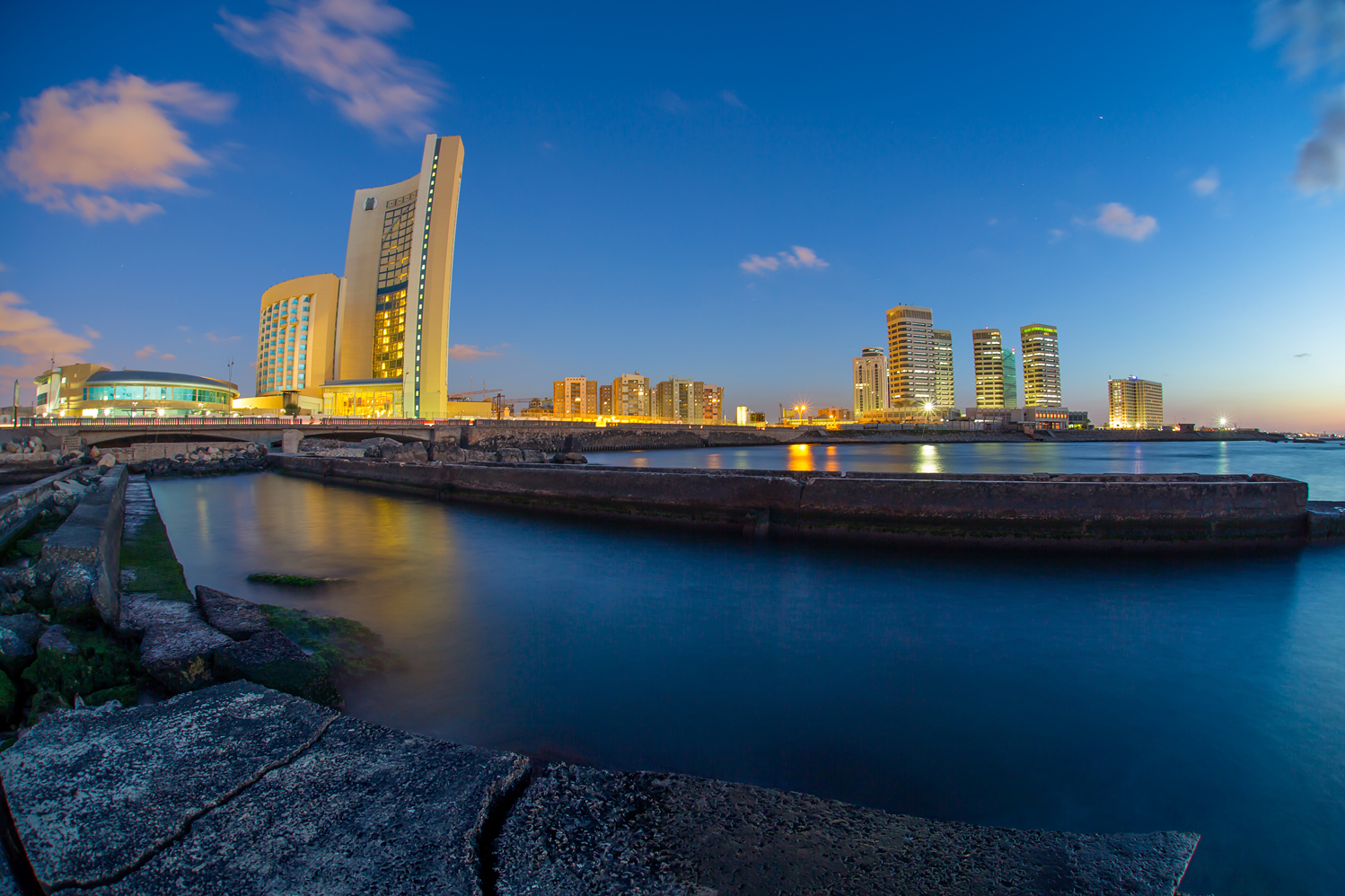
Tripoli, Libya
Data updated Sep 3, 2026
📊 Scores
Best fit: Retiree (score: 13)
Tripoli serves as Libya's primary economic center, heavily dependent on petroleum exports and related industries. The city's economic landscape is characterized by oil processing, manufacturing, and commercial sectors, though political instability has significantly disrupted traditional economic structures. Major employers include state-owned petroleum companies, government institutions, and limited private sector enterprises struggling to maintain operations amid ongoing regional conflicts.
Living in Tripoli presents considerable challenges for expatriates, with a low cost of living offset by infrastructure uncertainties. Monthly rent averages around $144, significantly cheaper than European cities, but healthcare and transportation remain inconsistent. Arabic is the primary language, creating substantial communication barriers for non-native speakers. Housing options are limited, and expatriates must carefully navigate security considerations and potential infrastructure disruptions.
Tripoli's cultural environment blends Mediterranean, Arab, and Berber influences, offering unique culinary experiences and social dynamics. The city's food scene features traditional North African cuisine with strong Mediterranean seafood traditions. Despite ongoing political challenges, an emerging expatriate community exists, primarily connected to diplomatic, petroleum, and humanitarian sectors. Climate is characterized by hot, dry summers and mild winters, typical of coastal North African regions.
🏚️ Cost of Living
💰 Budgets and Costs
Grocery Basket
Eating Out
Utilities & Lifestyle
Housing
💰 Real Spend Reports
🛡️ Safety & Crime
(Higher is safer)
(Lower is safer)
Tripoli presents significant safety challenges for expats. Beyond standard urban crime (theft, robbery), the city operates within Libya's broader context of political instability, militia activity, and occasional armed conflict. Kidnapping, carjacking, and violent crime occur. Expats should avoid large gatherings, nighttime travel, and certain neighborhoods entirely. The security situation can deteriorate rapidly. This is not a practical choice for most remote workers or retirees seeking stability and peace of mind.
🏥 Healthcare
🌤️ Climate
Best Months
Climate Notes
Tripoli has a Mediterranean climate with hot, dry summers (June-September) reaching 32°C and mild winters around 14°C, with most rainfall occurring November-March.
💻 Digital Nomad
Community Notes
| Name | Price/mo | Notes |
|---|---|---|
| Regus Tripoli, Dat Al-Imad Complex | $180 | Located in the Dat Al-Imad Complex, this Regus offers a reliable and professional environment. It provides standard amenities like high-speed internet and meeting rooms, making it suitable for expats seeking a familiar and structured workspace in a central location. |
| Regus Tripoli, Tripoli Tower | $200 | Situated in the iconic Tripoli Tower, this Regus location offers a prestigious business address. It features fully equipped offices and coworking spaces with administrative support, ideal for remote workers who need a professional image and convenient access to the city center. |
🧳 Expat Life
Expat Life Notes
Libya's capital is currently a high-risk destination with unstable security. Expat life is mostly limited to embassy compounds or oil company residences.
Pros
- ✓ Historic sites
- ✓ Mediterranean coastline
Cons
- ✗ Significant security risks
- ✗ Frequent power outages
- ✗ Very limited English
Could living/working in Tripoli cut years off your work life?
With a 1-bedroom in the center at $105/mo, your FIRE number here might be much lower than you think.
Share This Guide
Tripoli won't stay this cheap forever.
Cost-of-living and visa updates for Tripoli and the rest of Libya. Free with RA Postcards.
By submitting your email address, you will receive a free subscription to RA Postcards and special offers from Rewire Abroad and our affiliates. You can unsubscribe at any time, and we encourage you to read more about our Privacy Policy.