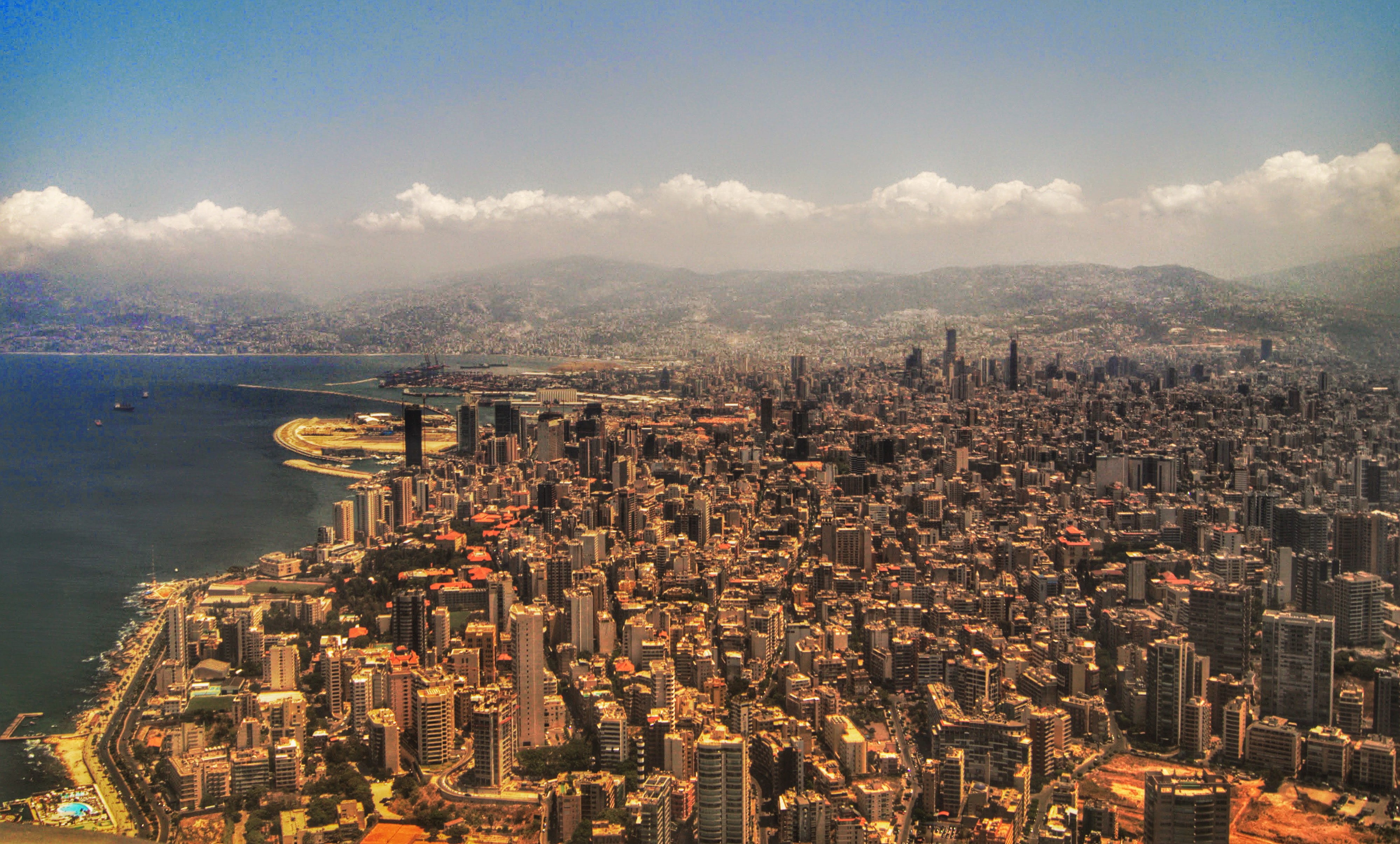
Banking and international trade still get listed as the city's economic bedrock, but that story ended in 2019. Today the lira is a ghost, most ATMs are decorative, and foreign job offers rarely materialize unless you bring niche expertise a local can't cover. Remote work sounds like the escape hatch, except the average internet speed sits at a wheezy 20 Mbps and the state electricity grid gives you maybe four hours a day. Figure $1,000 a month for food, transport, and a share of the building generator, then add $1,200 for a one-bedroom in the center if you want a landlord who might actually fix the water pump. It's not cheap, and the numbers don't reflect the mental tax of juggling cash dollars, parallel exchange rates, and the question of whether your bank will exist tomorrow.
Your daily life runs on a generator subscription, a stack of crisp dollars, and the phone number of a good taxi driver because public transit isn't a serious option. Arabic will open every door, but English carries you far enough in professional circles and the better grocery stores. Healthcare is purely private, often excellent, and always paid upfront before you even see a doctor. The real friction is bureaucracy: residency renewals, work permits, and the occasional shakedown from a low-level official who assumes every foreigner is a walking ATM. You'll learn that "tomorrow" can mean Thursday, next month, or never, and that patience here isn't a virtue but a survival reflex.
Beirut works for a very specific person. You thrive here if you have an overseas income you don't need to touch, a high tolerance for uncertainty, and a genuine appetite for nights that start at midnight and end with manakish at sunrise. Retirees with a thick financial cushion and a social life built around the dinner table can find a scrappy kind of contentment. Digital nomads, young professionals hoping to save money, and anyone who needs reliable electricity or predictable safety should look elsewhere. The overall expat score sits at 26.9 out of 100 for a reason. Believe it.
Estimate the cost of moving to Beirut, Lebanon
Get a free moving cost estimate for moving to Beirut, Lebanon. Takes 10 seconds.
How much are you shipping?
When are you moving?
Powered by Sirelo. Free quotes from international movers.
🏚️ Cost of Living
💰 Budgets and Costs
$1,148/mo, one person, rent included
Selected: budget lifestyle
Beirut at the budget tier comes to about $1,148 a month for one adult, with $497 of that going to rent. Beyond rent the estimate covers $155 on groceries, $64.00 on dining out, $54.00 on entertainment and lifestyle, $303 on utilities and connectivity and $75.00 on transport.
Rent
$497/mo
1BR outside the centre
Groceries
$155/mo
75% of mid-range grocery spend
Dining out
$64.00/mo
4 inexpensive meals
Entertainment & lifestyle
$54.00/mo
1 cinema trip, 8 cappuccinos
Utilities & connectivity
$303/mo
utilities, mobile, internet
Transport
$75.00/mo
Monthly pass
Budgets (excl. rent)
Single person$651/mo
Excludes rent. The total above is all-in, rent included.
$1,432/mo, one person, rent included
Selected: mid-range lifestyle
Beirut at the mid-range tier comes to about $1,432 a month for one adult, with $497 of that going to rent. Beyond rent the estimate covers $207 on groceries, $160 on dining out, $190 on entertainment and lifestyle, $303 on utilities and connectivity and $75.00 on transport.
Rent
$497/mo
1BR outside the centre
Groceries
$207/mo
Staples basket scaled to a full month
Dining out
$160/mo
10 inexpensive meals
Entertainment & lifestyle
$190/mo
gym, 2 cinema trips, 12 cappuccinos
Utilities & connectivity
$303/mo
utilities, mobile, internet
Transport
$75.00/mo
Monthly pass
Budgets (excl. rent)
Single person$935/mo
Excludes rent. The total above is all-in, rent included.
$2,171/mo, one person, rent included
Selected: comfortable lifestyle
Beirut at the comfortable tier comes to about $2,171 a month for one adult, with $944 of that going to rent. Beyond rent the estimate covers $290 on groceries, $303 on dining out, $256 on entertainment and lifestyle, $303 on utilities and connectivity and $75.00 on transport.
Rent
$944/mo
1BR in the centre
Groceries
$290/mo
140% of mid-range grocery spend
Dining out
$303/mo
6 inexpensive meals + 6 mid-range meals
Entertainment & lifestyle
$256/mo
gym, 4 cinema trips, 20 cappuccinos
Utilities & connectivity
$303/mo
utilities, mobile, internet
Transport
$75.00/mo
Monthly pass
Budgets (excl. rent)
Single person$1,227/mo
Excludes rent. The total above is all-in, rent included.
Estimates for one adult, built from this city's average prices and the usage shown for each tier. Your spending will differ with how often you eat out and where you live.
A 1BR in the center runs about $943.8/mo. If your income is in another currency, bank FX fees add up. A multi-currency account can cut that cost.
Beirut presents moderate safety challenges for expats, with petty theft, scams, and occasional armed conflict as primary concerns. Avoid Shia-majority southern suburbs (Dahieh), Palestinian camps, and areas near political party strongholds. Street crime and carjacking occur but are not epidemic. The city's instability stems more from geopolitical tensions and economic collapse than everyday street violence. Expats typically live safely in Hamra, Achrafieh, or Mar Mikhael by exercising standard precautions. However, Lebanon's political volatility, currency crisis, and periodic security incidents make this unsuitable for risk-averse retirees; best suited for those with prior Middle East experience and flexibility.
Beirut has a safety index of 53.3/100. Petty theft and lost belongings are the most common problems for newcomers. Compare travel insurance before you go.
See how Beirut's digital nomad life compares with Aley
🧳 Expat Life
English Proficiency
Common in Tourist Areas
Expat Community
Medium
Top Neighborhoods
Achrafieh, Hamra, Gemmayzeh
Banks Nearby
210
ATMs Nearby
44
Expat Life Notes
The Paris of the Middle East is currently facing major economic hardships. Its cultural resilience remains a draw for adventurous expats.
Pros
✓ Incredible food and nightlife
✓ Highly educated, polyglot population
✓ Rich cultural and historic layers
Cons
✗ Severe economic and financial crisis
✗ Unreliable power and services
✗ Political instability
🏘️ Neighborhoods in Beirut
Areas of Beirut that expats often consider.
The US government advises against travel to this country. Check the current government travel advisory before you book.
Conditions can change from one block to the next, and these descriptions are general guides, not safety assessments. Before choosing where to stay or live, check current travel advisories, talk to people who live there, and visit in person if you can.
Gemmayzeh
Vibrant nightlife, historic charm
Known for its lively bar and restaurant scene, Gemmayzeh is popular with expats and younger Lebanese. The area is walkable, with historic architecture, but can be noisy at night. Expect higher prices due to its popularity.
Mar Mikhael
Trendy, artsy, bustling nightlife
Adjacent to Gemmayzeh, Mar Mikhael is another hub for nightlife and creative businesses. It's known for its street art, cafes, and bars. Similar to Gemmayzeh, it can be loud and expensive, but offers a vibrant social scene.
Achrafieh
Upscale, residential, cosmopolitan
A more affluent residential area with a mix of modern and traditional buildings. Achrafieh offers a quieter atmosphere than Gemmayzeh or Mar Mikhael, with upscale boutiques and restaurants. It's generally considered safe and is popular with families and older expats.
Hamra
Commercial, lively, university area
Hamra is a bustling commercial district with a large student population due to the presence of the American University of Beirut. It offers a wide range of shops, restaurants, and cafes. While convenient and relatively affordable, it can be crowded and noisy.
Raouche
Coastal views, residential, calmer
Known for the iconic Pigeon Rocks, Raouche offers stunning sea views and a more relaxed atmosphere. It's primarily a residential area with apartments and hotels. It's a good option for those seeking a quieter environment with easy access to the coast, but prices can be higher due to the location.
Badaro
Residential, green, family-friendly
Badaro is a residential neighborhood known for its green spaces and family-friendly atmosphere. It has a growing number of cafes and restaurants, creating a pleasant local vibe. It's a good option for those seeking a quieter, more community-oriented environment.
Bourj Hammoud
Armenian heritage, bustling markets
This vibrant neighborhood is known for its Armenian heritage and bustling markets. It offers a unique cultural experience and is generally more affordable than other areas. While not as expat-centric, it provides an authentic glimpse into Beirut's diverse communities. Knowledge of Arabic or Armenian is helpful.
Page 1 of 2
Could living/working in Beirut cut years off your work life?
With a 1-bedroom in the center at $944/mo, your FIRE number here might be much lower than you think.
Beirut has a population of approximately 2,421,354 people.
A single person can expect to spend around $2,360 per month in Beirut, including rent. A 1-bedroom apartment in the city center costs approximately $944/month.
The nearest airport to Beirut is BEY, approximately 5.5km away.
Beirut is considered moderate in terms of safety, with a safety index of 53.3. As with any city abroad, expats should research specific neighborhoods before committing to a location.
Beirut has an average internet speed of 20 Mbps. It is not yet considered a well-established digital nomad destination.
Salaries range widely, with international companies offering competitive packages. Banking, tech, and multinational sectors typically provide the highest compensation.
Housing is available but can be expensive. Neighborhoods like Hamra and Achrafieh are popular with expats. Working with a local real estate agent is recommended.
Beirut's cost of living can be surprisingly high, especially in areas like Achrafieh and Hamra. Expect to pay $1,200-$2,500 per month for rent, groceries, and utilities, depending on your lifestyle. Dining out can range from affordable street food to expensive restaurants, so budget accordingly.
US citizens can typically enter Lebanon visa-free for tourism for up to three months. For longer stays, you'll need to apply for a residency permit, which can be complex and often requires a local sponsor or proof of employment/investment. Consult with an immigration lawyer for the most up-to-date information.
Beirut has some excellent hospitals and clinics, particularly the American University of Beirut Medical Center (AUBMC) and Saint George Hospital University Medical Center. Many doctors are trained in the US or Europe and speak English fluently. Private health insurance is recommended.
Achrafieh is popular for its upscale apartments and proximity to amenities, while Hamra offers a more vibrant, bustling atmosphere. Gemmayzeh is known for its nightlife and historic buildings. For budget-friendly options, consider areas further from the city center, but research safety carefully.
Beirut has a Mediterranean climate with hot, dry summers and mild, wet winters. Expect temperatures to range from 50°F (10°C) in winter to 90°F (32°C) in summer. The best time to visit or live in Beirut is during the spring or fall.
Public transportation in Beirut is limited and can be unreliable. Taxis and ride-sharing apps like Uber are readily available, but traffic can be heavy. Renting a car is an option, but driving can be challenging due to congestion and parking difficulties.
Internet speeds in Beirut can be inconsistent, but generally sufficient for remote work. Fiber optic is available in some areas, offering faster speeds. Consider a backup internet option, such as a mobile hotspot, for critical tasks.
Yes, Beirut has a growing number of coworking spaces, offering a professional environment and networking opportunities. Popular options include Antwork and Colab. These spaces often provide reliable internet, meeting rooms, and printing facilities.
Beirut has a sizable and active expat community, making it relatively easy to connect with other foreigners. There are numerous social groups, clubs, and events catering to expats. Social life is vibrant, with plenty of opportunities for dining, nightlife, and cultural experiences.
While Beirut is generally safe, it's wise to exercise caution, especially at night. Stick to well-lit and populated areas, and avoid walking alone in unfamiliar neighborhoods. Be aware of your surroundings and avoid drawing unnecessary attention to yourself.
As a US citizen, you're required to file US taxes even while living abroad. The Foreign Earned Income Exclusion (FEIE) can help you exclude a certain amount of your foreign-earned income from US taxes. Be sure to report foreign bank accounts (FBAR) if they exceed $10,000. Consult with a tax professional specializing in expat taxes.
Retiring early in Beirut on $2,500 per month is possible, but requires careful budgeting and lifestyle adjustments. You'll likely need to live outside the most expensive neighborhoods and be mindful of healthcare costs. It's crucial to factor in potential currency fluctuations and economic instability.
The day-to-day quality of life in Beirut as an English speaker is generally good, especially in expat-heavy areas. While Arabic is the official language, English is widely spoken, particularly in business and tourism. You can navigate daily life, shop, and access services without speaking Arabic, but learning some basic phrases will enhance your experience.
ATMs are widely available in Beirut, especially in commercial areas and shopping malls. However, be aware that ATM fees can be relatively high, both from your home bank and the local Lebanese bank. Check with your bank about international transaction fees and consider using a debit card with lower fees.
Cost-of-living and visa updates for Beirut and the rest of Lebanon. Free with RA Postcards.
By submitting your email address, you will receive a free subscription to RA Postcards and special offers from Rewire Abroad and our affiliates. You can unsubscribe at any time, and we encourage you to read more about our Privacy Policy.