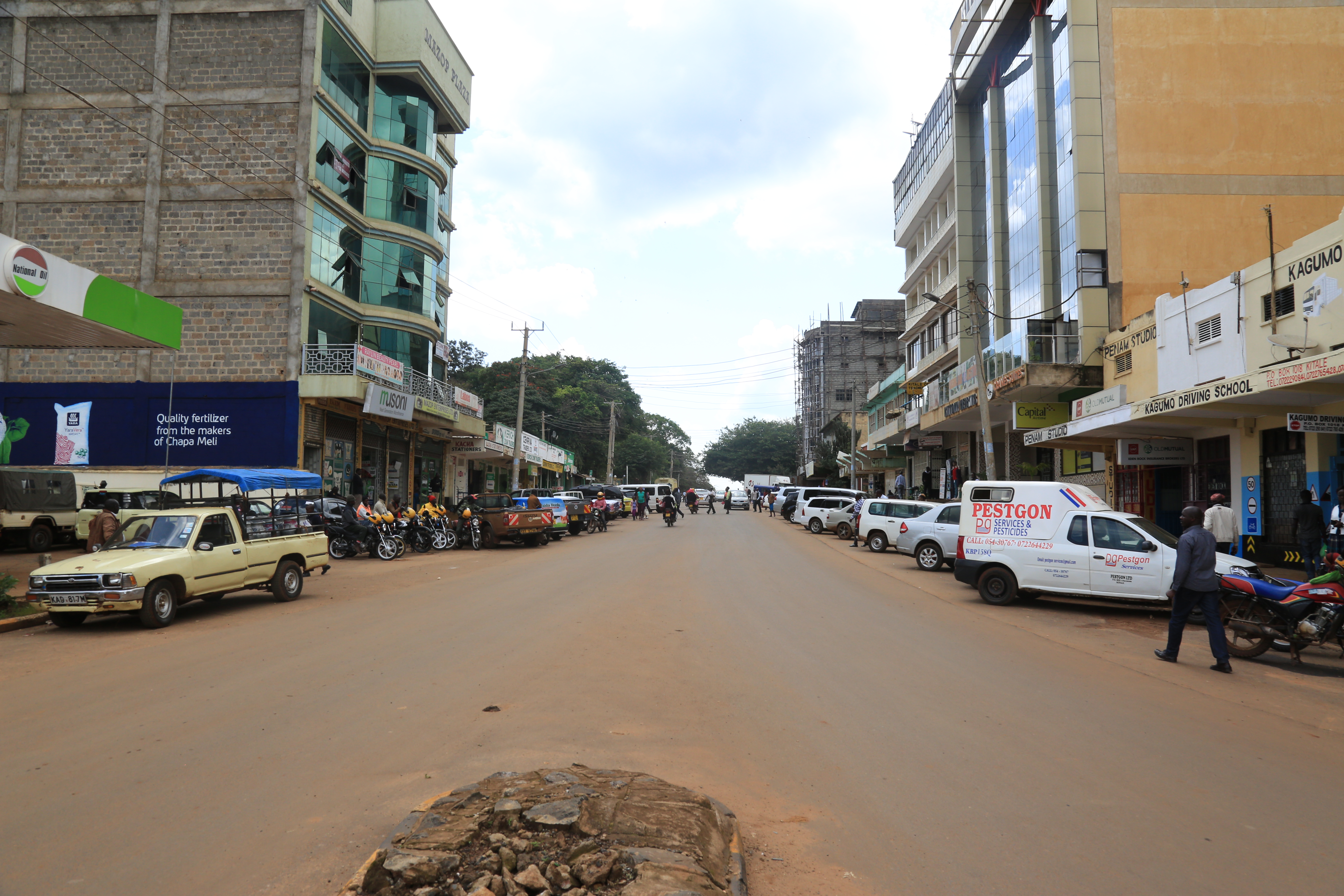
Kitale, Kenya
Data updated Sep 29, 2026
📊 Scores
Best fit: FIRE / Geoarbitrage (score: 81)
Kitale serves as a critical agricultural center in western Kenya, with robust economic activity centered on maize, wheat, and dairy production. Trans Nzoia County's agricultural sector drives local employment, with numerous small-scale farms and agricultural processing businesses. Major employers include agricultural cooperatives, regional food processing companies, and government agricultural development agencies.
Living expenses in Kitale remain relatively affordable, with average monthly rent around $300 and lower living costs compared to major urban centers. Public transportation relies heavily on matatus and boda-bodas, offering affordable mobility. Healthcare infrastructure has improved significantly, with several clinics and a regional hospital serving the community. English and Swahili are widely spoken, minimizing language barriers for international professionals.
The town offers a temperate climate ideal for outdoor activities, with average temperatures between 15-25°C year-round. Expats can explore the National Museum of Western Kenya, enjoy local culinary experiences featuring traditional Kenyan dishes, and engage with a growing community of agricultural professionals and researchers. Social life centers around community gatherings, agricultural markets, and regional cultural events.
🏚️ Cost of Living
💰 Budgets and Costs
Grocery Basket
Eating Out
Utilities & Lifestyle
Housing
A 1BR in the center runs about $300/mo. If your income is in another currency, bank FX fees add up. A multi-currency account can cut that cost.
See low-fee transfersWe may earn a commission at no cost to you.
💰 Real Spend Reports
🛡️ Safety & Crime
(Higher is safer)
(Lower is safer)
Kitale is a moderately safe mid-sized Kenyan city with a Safety Index of 55, reflecting manageable but real crime concerns. Petty theft, pickpocketing, and vehicle break-ins are the primary risks, particularly in crowded markets and less-developed areas. Violent crime is relatively uncommon but can occur. Expats should avoid walking alone after dark, use registered taxis, and stay alert in town centers. The city lacks the security infrastructure of Nairobi but offers a quieter, more community-oriented lifestyle. For a 30-65 year-old considering relocation, Kitale is viable if you maintain standard expat precautions and integrate with established expat networks.
Kitale has a safety index of 55/100. Petty theft and lost belongings are the most common problems for newcomers. Compare travel insurance before you go.
Compare travel insuranceWe may earn a commission at no cost to you.
🏥 Healthcare
🌤️ Climate
Best Months
Climate Notes
Kitale has a mild, temperate highland climate with two rainy seasons (March-May and October-November), cool nights year-round, and relatively stable temperatures between 18-24°C, making it pleasant but requiring layers for cooler evenings.
💻 Digital Nomad
Community Notes
| Name | Price/mo | Notes |
|---|---|---|
| Kitale Hub | $40 | A popular local hub in the heart of Kitale, offering a collaborative environment and reliable internet. It's a great place to connect with local entrepreneurs and remote workers, providing a more immersive experience. |
| iHub Kitale (Likely defunct) | $50 | While iHub has a strong presence in Nairobi, their Kitale location's current operational status is unclear. If active, it would offer a more structured coworking environment with potential access to iHub's network and resources. |
| Safaricom DigiFarm (Potentially offers coworking) | $30 | While primarily an agricultural resource center, DigiFarm locations sometimes offer shared workspace and internet access. It could be a unique option for those interested in agriculture or rural development, and provides a very local experience. |
Planning to live in Kitale long-term? Kenya Digital Nomad Visa lets remote workers live legally with a minimum income of $4,583/month.
View full requirements →Working remotely from Kitale? Nomad health insurance covers you across borders, month to month.
See nomad insuranceWe may earn a commission at no cost to you.
🧳 Expat Life
Expat Life Notes
Kitale is a market town in western Kenya near Mount Elgon. It serves as a hub for the Trans Nzoia breadbasket region. English is Kenya's official language. NGO and agricultural development workers are the primary expat base.
Pros
- ✓ English official language
- ✓ Agricultural development hub
- ✓ Cool highland climate
Cons
- ✗ Limited expat infrastructure
- ✗ Remote western Kenya
- ✗ Basic international amenities
🛂 Visa Options for Kenya
Many long-stay visas require proof of health insurance. Compare international health plans before you apply.
Compare health insuranceWe may earn a commission at no cost to you.
Earning over $4,583/mo? You may qualify for a Kenya visa.
Answer 10 questions and get a personalized match in under 2 minutes.
Could living/working in Kitale cut years off your work life?
With a 1-bedroom in the center at $240/mo, your FIRE number here might be much lower than you think.
Estimate the cost of moving to Kitale, Kenya
Get a free moving cost estimate for moving to Kitale, Kenya. Takes 10 seconds.
How much are you shipping?
When are you moving?
Powered by Sirelo. Free quotes from verified international movers.
Share This Guide
Kitale won't stay this cheap forever.
Cost-of-living and visa updates for Kitale and the rest of Kenya. Free with RA Postcards.
By submitting your email address, you will receive a free subscription to RA Postcards and special offers from Rewire Abroad and our affiliates. You can unsubscribe at any time, and we encourage you to read more about our Privacy Policy.