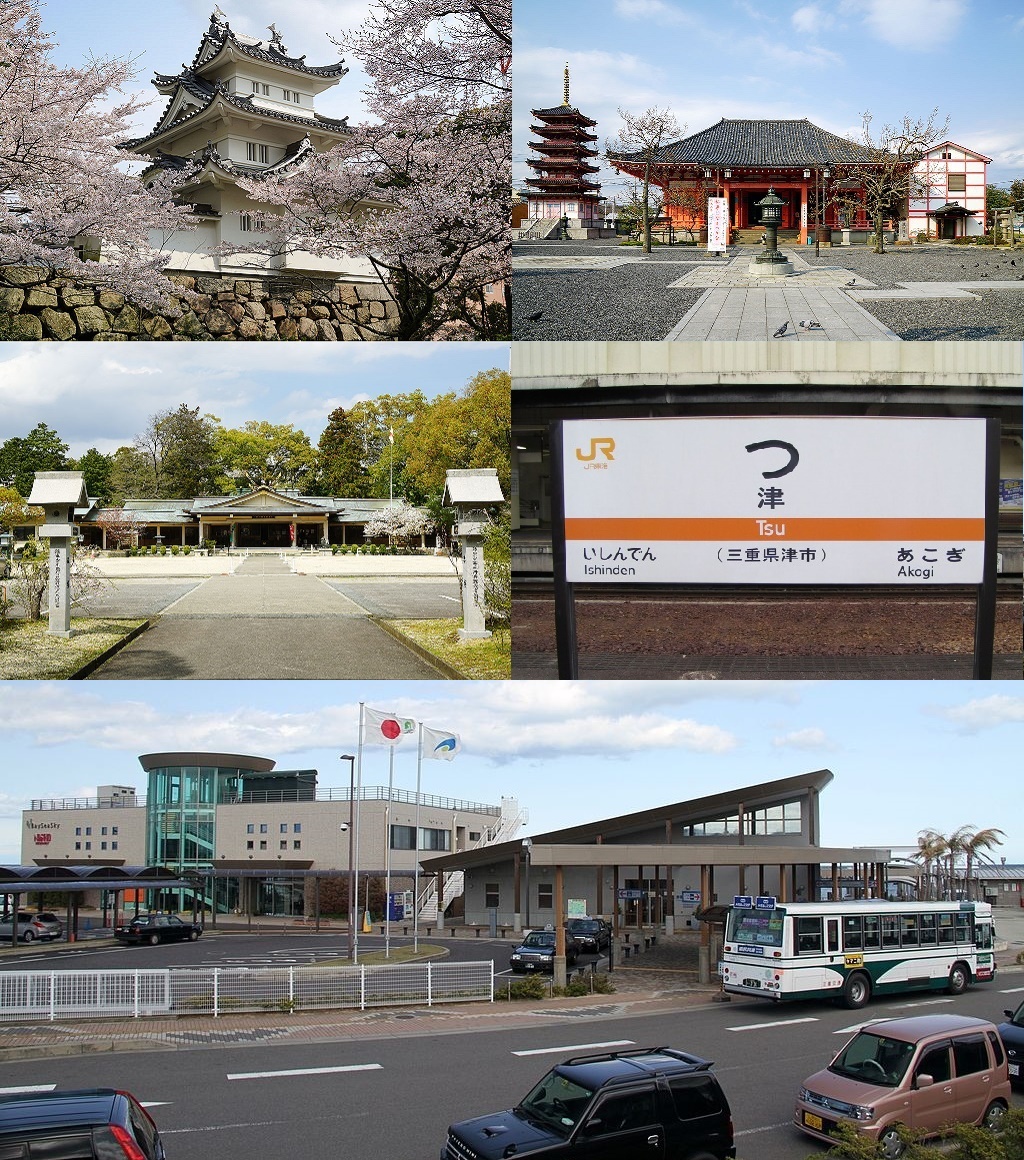
Government jobs dominate the employment landscape here, with Mie Prefecture's administrative offices providing steady work for thousands of civil servants. Mie University anchors the education sector, while regional companies like Imuraya Confectionery and ZTV cable offer private sector opportunities. The job market heavily favors Japanese speakers with government experience or education credentials. Foreign professionals typically find work teaching English or in university research positions, though opportunities remain limited compared to major metropolitan areas.
Expect to pay around $600/month for a one-bedroom apartment in the city center, with cheaper options further out. The rail network connects efficiently to Nagoya and Osaka, but daily transport relies heavily on cars due to the city's sprawling 711 square kilometer area. Healthcare access is solid through Japan's national system, though English-speaking doctors are scarce. Bureaucracy follows standard Japanese complexity—expect multiple office visits for residence registration and banking, with limited English support at government offices.
The humid subtropical climate brings sweltering summers and mild winters, plus serious rainfall from May to September when typhoons regularly disrupt daily life. Food options center on regional specialties and standard Japanese fare, with limited international variety. The expat community is tiny, mostly university researchers and English teachers who gather informally. Weekends often mean trips to nearby Ise Grand Shrine or Nagoya for better dining and entertainment. This suits people who want authentic Japanese living without Tokyo's intensity, but need strong Japanese skills and patience for bureaucracy.
Estimate the cost of moving to Tsu, Japan
Get a free moving cost estimate for moving to Tsu, Japan. Takes 10 seconds.
How much are you shipping?
When are you moving?
Powered by Sirelo. Free quotes from international movers.
🏚️ Cost of Living
💰 Budgets and Costs
$827/mo, one person, rent included
Selected: budget lifestyle
Tsu at the budget tier comes to about $827 a month for one adult, with $285 of that going to rent. Beyond rent the estimate covers $150 on groceries, $25.00 on dining out, $27.00 on entertainment and lifestyle, $213 on utilities and connectivity and $127 on transport.
Rent
$285/mo
1BR outside the centre
Groceries
$150/mo
75% of mid-range grocery spend
Dining out
$25.00/mo
4 inexpensive meals
Entertainment & lifestyle
$27.00/mo
1 cinema trip, 8 cappuccinos
Utilities & connectivity
$213/mo
utilities, mobile, internet
Transport
$127/mo
Monthly pass
Budgets (excl. rent)
Single person$542/mo
Excludes rent. The total above is all-in, rent included.
$983/mo, one person, rent included
Selected: mid-range lifestyle
Tsu at the mid-range tier comes to about $983 a month for one adult, with $285 of that going to rent. Beyond rent the estimate covers $200 on groceries, $63.00 on dining out, $95.00 on entertainment and lifestyle, $213 on utilities and connectivity and $127 on transport.
Rent
$285/mo
1BR outside the centre
Groceries
$200/mo
Staples basket scaled to a full month
Dining out
$63.00/mo
10 inexpensive meals
Entertainment & lifestyle
$95.00/mo
gym, 2 cinema trips, 12 cappuccinos
Utilities & connectivity
$213/mo
utilities, mobile, internet
Transport
$127/mo
Monthly pass
Budgets (excl. rent)
Single person$698/mo
Excludes rent. The total above is all-in, rent included.
$1,284/mo, one person, rent included
Selected: comfortable lifestyle
Tsu at the comfortable tier comes to about $1,284 a month for one adult, with $443 of that going to rent. Beyond rent the estimate covers $280 on groceries, $91.00 on dining out, $130 on entertainment and lifestyle, $213 on utilities and connectivity and $127 on transport.
Rent
$443/mo
1BR in the centre
Groceries
$280/mo
140% of mid-range grocery spend
Dining out
$91.00/mo
6 inexpensive meals + 6 mid-range meals
Entertainment & lifestyle
$130/mo
gym, 4 cinema trips, 20 cappuccinos
Utilities & connectivity
$213/mo
utilities, mobile, internet
Transport
$127/mo
Monthly pass
Budgets (excl. rent)
Single person$841/mo
Excludes rent. The total above is all-in, rent included.
Estimates for one adult, built from this city's average prices and the usage shown for each tier. Your spending will differ with how often you eat out and where you live.
A 1BR in the center runs about $442.86/mo. If your income is in another currency, bank FX fees add up. A multi-currency account can cut that cost.
Tsu is exceptionally safe by any standard, with very low violent crime and petty theft rates typical of Japan's regional cities. The main concerns for expats are minor: occasional bicycle theft, rare package theft, and standard scams targeting foreigners (overly friendly strangers, inflated taxi fares). Avoid isolated areas late at night as a general precaution, though serious crime is extremely rare. For an American accustomed to typical U.S. crime rates, Tsu offers genuine peace of mind—you can walk freely at night and leave belongings unattended with minimal risk. This is a genuinely safe place to live.
Located near Tsu station, Tsukuru Office offers a modern and bright workspace with private booths and meeting rooms. It's a good option for those needing a professional environment with easy access to transportation.
Basis Point is located right in front of Tsu station, making it extremely convenient. They offer a variety of seating options, including private rooms, and have good reviews for their facilities and service.
This coworking space provides a relaxed atmosphere with a mix of open desks and private areas. It is located in the center of Tsu, making it easy to access local amenities and restaurants.
See how Tsu's digital nomad life compares with Himeji
🧳 Expat Life
English Proficiency
Limited
Expat Community
Very Few
Top Neighborhoods
Tsu City Center
Banks Nearby
20
ATMs Nearby
1
Expat Life Notes
A safe and orderly prefectural capital in Mie. Strictly local and family-oriented.
Pros
✓ Clean and safe
✓ Coast access
✓ Low costs
Cons
✗ No foreign infrastructure
✗ Language barrier
✗ Dull social life
🏘️ Neighborhoods in Tsu
Areas of Tsu that expats often consider.
Conditions can change from one block to the next, and these descriptions are general guides, not safety assessments. Before choosing where to stay or live, check current travel advisories, talk to people who live there, and visit in person if you can.
Chuo
Central, convenient, government hub
Chuo is the heart of Tsu, housing the prefectural government and many businesses. It's very convenient for accessing amenities and transportation, but can be less charming than other areas. Expect a mix of modern apartments and older buildings, with good walkability and access to public transit.
Marunouchi
Historic, castle-adjacent, tranquil
Located near Tsu Castle, Marunouchi offers a more traditional atmosphere. It's a quieter residential area with historical significance, appealing to those seeking a peaceful environment. While not specifically geared towards expats, the area is safe and well-maintained, though English may be less prevalent.
Oiwake
Residential, family-friendly, suburban
Oiwake is a more suburban area, popular with families. It offers a relaxed pace of life and is generally more affordable than central areas. While less convenient for accessing the city center without a car or bicycle, it provides a quieter and more spacious living environment.
Hisai Motomachi
Budget-friendly, local, traditional
Hisai Motomachi, a bit further from the city center, offers more affordable housing options. It's a more traditional area with a strong local feel. While less geared towards expats, it provides an authentic Japanese experience and a lower cost of living, but requires more Japanese language skills.
Anotsu
Coastal, scenic, relaxed living
Located near the coast, Anotsu offers a more relaxed lifestyle with scenic views. It's a good option for those who enjoy being near the water. While not a major expat hub, the area is safe and offers a slower pace of life, though transportation to the city center may require a car or bus.
Tsu-eki
Commercial, convenient, train station area
The area around Tsu Station (Tsu-eki) is a bustling commercial district with easy access to transportation. It's a convenient location for those who need to travel frequently. Expect a mix of apartments and businesses, with good access to amenities, but potentially more noise and traffic.
Page 1 of 2
Could living/working in Tsu cut years off your work life?
With a 1-bedroom in the center at $443/mo, your FIRE number here might be much lower than you think.
At the mid-range tier, one adult needs about $983 a month in Tsu, rent included, with $285 of that going to rent. That leaves roughly $698 for everything except housing.
In Tsu, a one-bedroom runs $443 in the center and $285 outside it and three bedrooms come to $696 in the center and $538 outside it, per month.
Average monthly net salary in Tsu is $1,518. That is 154% of the $983 mid-range monthly budget.
Tsu scores 79.41 on the safety index (higher is safer) and a crime index of 20.59 (lower is safer).
Average internet speed in Tsu is 90 Mbps. A home connection costs about $43/mo.
In Tsu, summer averages 31°C, winter averages 6°C and annual rainfall is 1792 mm.
Yes, fluent Japanese is essential for most jobs since the economy centers on government work and local businesses. English teaching positions exist but are limited, and even basic services like banking require Japanese language skills.
Tsu receives 1931mm of annual rainfall with September being the wettest month. Typhoons regularly hit the Kii Peninsula, causing transportation delays and occasional flooding, so residents need to prepare for seasonal weather disruptions.
The expat community is very small, mainly university staff and English teachers. Social options are limited locally, but Nagoya is accessible by train for better international dining, shopping, and larger expat meetups on weekends.
Tsu is relatively affordable. Expect to pay around ¥60,000-¥90,000 per month for a one-bedroom apartment outside the city center. Groceries are reasonably priced, and dining out can range from ¥800 for a quick meal to ¥3,000+ for a nicer restaurant.
While not all doctors speak fluent English, some do, particularly at larger hospitals like Tsu General Hospital. It's advisable to learn some basic Japanese medical phrases or bring a translator. Healthcare quality is generally very high, but costs can add up without Japanese National Health Insurance.
Tsu is a very safe city with low crime rates. Petty theft is rare, and violent crime is almost non-existent. You can generally feel comfortable walking around at night, even in less populated areas.
For long-term stays, Americans typically pursue a work visa (sponsored by a Japanese company), a student visa, or a spouse visa. The Investor/Business Manager visa is another option if you plan to start a business. It's best to consult with an immigration lawyer for the most up-to-date information.
Internet speeds in Tsu are generally excellent, with fiber optic connections widely available. You can expect download speeds of 100 Mbps or more in most areas, making it suitable for video conferencing and other remote work tasks. Mobile data is also reliable.
Opening a bank account can be challenging without a long-term visa and a Japanese address. Some banks, like Japan Post Bank (Yucho), are more foreigner-friendly. Be prepared to provide identification, proof of address, and potentially a Japanese personal seal (hanko).
Tsu has a good public transportation system, including buses and trains. The Kintetsu Line is convenient for reaching other cities in the region. Many people also use bicycles for getting around town. Owning a car is an option, but parking can be expensive.
Tsu has a humid subtropical climate with hot, humid summers and mild winters. Expect significant rainfall during the rainy season (June-July). Typhoons can occur from late summer to early autumn, so it's important to be prepared.
Coworking spaces are not as prevalent in Tsu as in larger cities like Tokyo or Osaka, but some options exist, often combined with cafes or community centers. Check local listings for the most up-to-date information. Many cafes also offer a suitable environment for remote work.
The expat community in Tsu is smaller compared to major metropolitan areas. However, there are still opportunities to connect with other foreigners through language exchange groups, international associations, and online forums. Joining local clubs or activities is a great way to meet people.
Areas slightly outside the city center, like Hisai or Edobashi, tend to offer more affordable housing options. These neighborhoods are still well-connected to the city center by public transportation and offer a quieter, more residential atmosphere.
Retiring comfortably in Tsu on passive income depends on your lifestyle, but ¥200,000-¥300,000 per month should provide a decent standard of living. This allows for rent, utilities, groceries, healthcare, and some leisure activities. Consider currency exchange rates and potential fluctuations.
Services like Wise (formerly TransferWise), Remitly, and Western Union are popular for international money transfers. Fees vary depending on the service and the amount being transferred, so compare options carefully. Check with your bank about international wire transfers, but these often have higher fees.
As a US citizen, you're still required to file US taxes even when living abroad. The Foreign Earned Income Exclusion (FEIE) can help you exclude a certain amount of your foreign-earned income from US taxes. You may also need to file a Report of Foreign Bank and Financial Accounts (FBAR) if your foreign accounts exceed $10,000 in aggregate.
Cost-of-living and visa updates for Tsu and the rest of Japan. Free with RA Postcards.
By submitting your email address, you will receive a free subscription to RA Postcards and special offers from Rewire Abroad and our affiliates. You can unsubscribe at any time, and we encourage you to read more about our Privacy Policy.