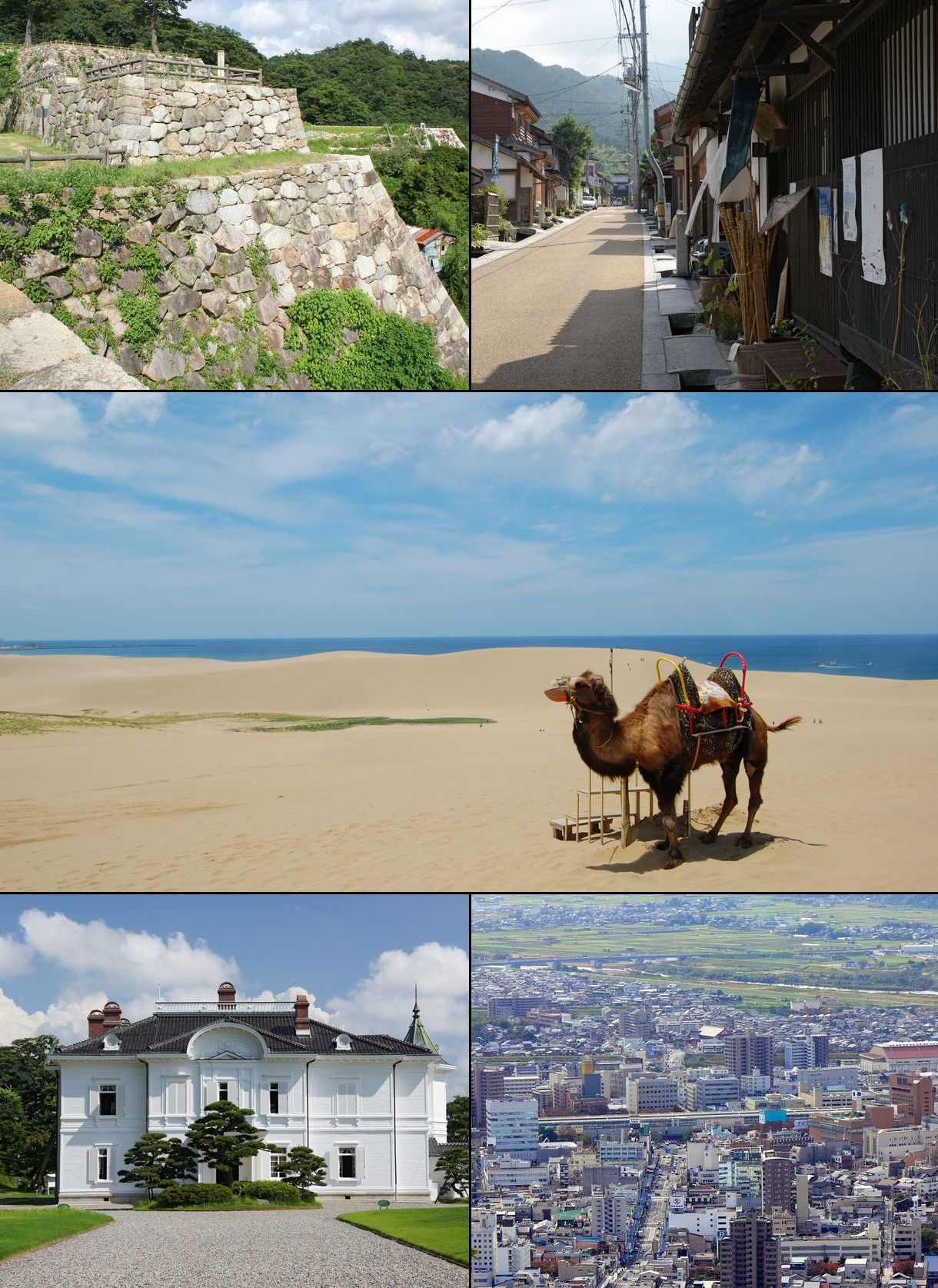
Tottori, Japan
Data updated Sep 3, 2026
📊 Scores
Agriculture, fishing, and tourism carry most of the economic weight here — there's no tech sector, no major manufacturing hub, and no significant foreign employer presence. Sakaiminato's fishing port drives seafood processing jobs, while farms producing pears, watermelons, and rice employ a meaningful share of the rural workforce. The sand dunes and Mount Daisen pull domestic tourists, supporting hospitality and retail, but these are seasonal and low-wage industries. Remote workers and digital nomads are the only realistic path to earning a Western-compatible income in Tottori.
A one-bedroom in the city center runs around $450/month, and you can find rural housing for significantly less — sometimes under $200 through Japan's akiya (vacant home) programs. Public transport is thin: the San'in Main Line runs infrequently, and without a car you'll feel genuinely stranded outside the city core. Healthcare is accessible and affordable by Japanese standards, but specialist care may require a trip to Matsue or Yonago. Japanese language ability isn't optional here — English signage is minimal and locals rarely speak it, making bureaucracy (residency registration, banking, insurance) a real slog without fluency or a patient bilingual helper.
Winters are legitimately harsh — heavy Japan Sea snowfall disrupts transport and daily routines from December through February. The tradeoff is uncrowded nature: the dunes, coastal hiking, and Daisen skiing are genuinely accessible on weekends without the crowds you'd face near any major city. The expat community is tiny, likely numbering in the dozens, so don't expect a ready-made social network. Local food is a genuine highlight — fresh crab, matsuba crab in winter, and local sake are cheap and excellent. This city suits self-sufficient remote workers or early retirees who prioritize quiet, low cost, and deep immersion in rural Japan over convenience or community.
🏚️ Cost of Living
💰 Budgets and Costs
Grocery Basket
Eating Out
Utilities & Lifestyle
Housing
A 1BR in the center runs about $272.97/mo. If your income is in another currency, bank FX fees add up. A multi-currency account can cut that cost.
See low-fee transfersWe may earn a commission at no cost to you.
💰 Real Spend Reports
🛡️ Safety & Crime
(Higher is safer)
(Lower is safer)
Tottori is exceptionally safe by any standard, with very low violent crime and petty theft. The city feels secure for walking at night, and expats report minimal concerns beyond standard urban awareness. Scams targeting foreigners are rare; the main risks are minor bicycle theft and occasional package theft. No neighborhoods warrant avoidance. For Americans accustomed to U.S. crime rates, Tottori will feel remarkably peaceful—this is a genuine strength for remote workers and retirees seeking a low-stress environment.
🏥 Healthcare
🌤️ Climate
Best Months
Climate Notes
Humid subtropical climate with heavy winter snowfall.
💻 Digital Nomad
Community Notes
| Name | Price/mo | Notes |
|---|---|---|
| Tottori City Lifelong Learning Center | $30 | While not a dedicated coworking space, the Lifelong Learning Center offers affordable desk space and Wi-Fi, making it a budget-friendly option for digital nomads. Located centrally in Tottori City, it provides a quiet environment for focused work. |
| Impact Hub Kyoto (Considered a Regional Option) | $200 | While technically in Kyoto, Impact Hub is a well-known coworking brand with a strong community focus, and is accessible from Tottori. It offers a variety of membership options and a collaborative environment, ideal for expats seeking networking opportunities. |
| Basis Point (Shared Office Space) | $250 | Basis Point is a shared office space that provides a professional environment for remote workers. It offers private booths, meeting rooms, and high-speed internet, suitable for those needing a more structured workspace. |
Planning to live in Tottori long-term? Japan Digital Nomad Visa lets remote workers live legally with a minimum income of $6,667/month.
View full requirements →Working remotely from Tottori? Nomad health insurance covers you across borders, month to month.
See nomad insuranceWe may earn a commission at no cost to you.
🧳 Expat Life
Expat Life Notes
Tottori is a remote prefecture known for its sand dunes; the expat community is very small and mostly limited to teaching or research.
Pros
- ✓ Incredible natural scenery
- ✓ Very safe and peaceful
- ✓ Extremely affordable
Cons
- ✗ Language barrier is significant
- ✗ Remote from major cities
- ✗ Limited nightlife and international food
🛂 Visa Options for Japan
Many long-stay visas require proof of health insurance. Compare international health plans before you apply.
Compare health insuranceWe may earn a commission at no cost to you.
Earning over $6,667/mo? You may qualify for a Japan visa.
Answer 10 questions and get a personalized match in under 2 minutes.
Could living/working in Tottori cut years off your work life?
With a 1-bedroom in the center at $273/mo, your FIRE number here might be much lower than you think.
Moving to Tottori? Estimate what an international move would cost and compare mover quotes.
Estimate my move costShare This Guide
Tottori won't stay this cheap forever.
Cost-of-living and visa updates for Tottori and the rest of Japan. Free with RA Postcards.
By submitting your email address, you will receive a free subscription to RA Postcards and special offers from Rewire Abroad and our affiliates. You can unsubscribe at any time, and we encourage you to read more about our Privacy Policy.