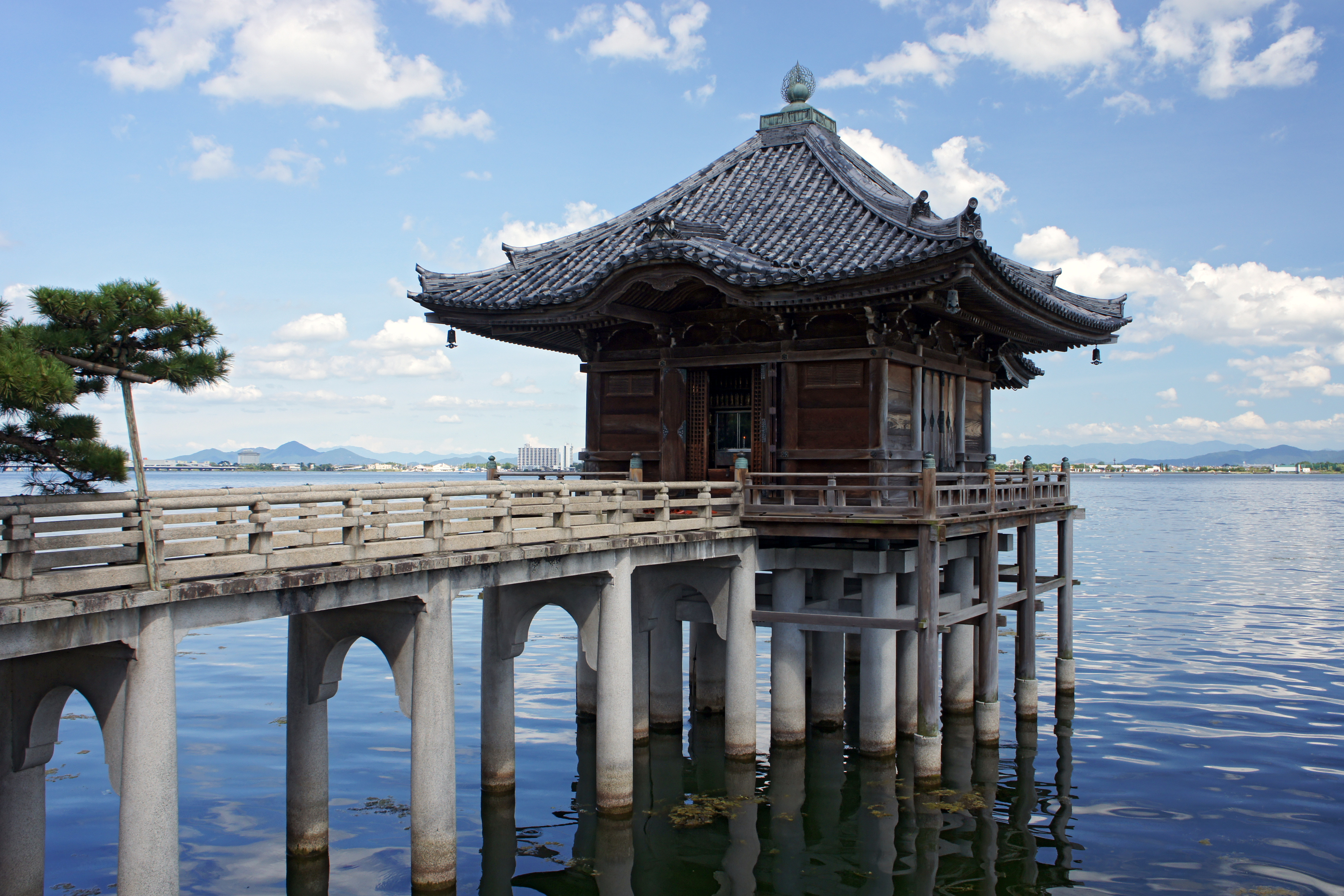
Shiga, Japan
Data updated Sep 3, 2026
📊 Scores
Manufacturing is the backbone here — precision machinery, pharmaceuticals, and textiles employ a significant share of the workforce, with companies like Nippon Electric Glass and Rohto Pharmaceutical operating in the prefecture. Agriculture and freshwater fisheries tied to Lake Biwa add a rural economic layer, while cultural tourism around Hikone Castle and Enryaku-ji drives seasonal hospitality work. Remote workers and digital nomads can access Osaka or Kyoto in 20–40 minutes by rail, which is the real economic play — live cheaper, commute when needed.
A one-bedroom in Ōtsu or Nagahama runs around $480/month, noticeably cheaper than Kyoto's $700+ market. The Biwako Line makes Osaka commutable in under an hour. Public healthcare is accessible once you're enrolled in the national insurance system, but enrollment itself requires navigating Japanese-only municipal paperwork — budget time and possibly a bilingual helper. English is limited outside tourist sites; daily life in supermarkets, city offices, and clinics will require at minimum basic Japanese or a translation app you're comfortable relying on heavily.
Summers are hot and humid, winters are cold and occasionally snowy in the north — not brutal, but not mild either. The food scene leans local: funazushi (fermented carp) is an acquired taste, but regional produce and lake fish are genuinely good. The expat community is small and scattered, nothing like Osaka or Kyoto's established networks, so social life requires effort and Japanese language investment. Weekends mean hiking, cycling the lake perimeter, or day-tripping to Kyoto in 20 minutes. This city suits remote workers or early retirees who want Kansai access without Kansai prices and are serious about integrating rather than floating in an expat bubble.
🏚️ Cost of Living
💰 Budgets and Costs
Grocery Basket
Eating Out
Utilities & Lifestyle
Housing
A 1BR in the center runs about $480/mo. If your income is in another currency, bank FX fees add up. A multi-currency account can cut that cost.
See low-fee transfersWe may earn a commission at no cost to you.
💰 Real Spend Reports
🛡️ Safety & Crime
(Higher is safer)
(Lower is safer)
Shiga is exceptionally safe for expats, with violent crime virtually non-existent and petty theft rare. The main concerns are minor: bicycle theft in urban areas, occasional package theft, and standard scams targeting foreigners (overly friendly strangers, inflated taxi fares). Avoid isolated areas late at night as a general precaution, though incidents are uncommon. For an American relocating here, safety is genuinely not a concern—focus instead on language barriers and cultural adjustment.
🏥 Healthcare
🌤️ Climate
Best Months
Climate Notes
Humid subtropical climate with heavy snow in some areas near the mountains.
💻 Digital Nomad
Community Notes
| Name | Price/mo | Notes |
|---|---|---|
| 滋賀大学彦根地区 ラーニング・コモンズ | $30 | Located in Hikone, this learning commons at Shiga University offers a quiet and studious environment. While primarily for students, it can be a budget-friendly option for digital nomads seeking a focused workspace with basic amenities. |
| BIZcomfort Kyoto Omiya | $150 | While technically in Kyoto, BIZcomfort Kyoto Omiya is easily accessible from Shiga and offers a modern coworking environment. It features private booths, meeting rooms, and a cafe space, making it suitable for remote workers needing a professional setting. |
| OSAKA STATION TSUTAYA BOOKSTORE | $200 | While not strictly a coworking space, the Umeda Tsutaya Bookstore in Osaka (easily accessible from Shiga) offers a unique work environment. It provides comfortable seating, power outlets, and a bookstore atmosphere, ideal for those who enjoy working in a vibrant, public space. |
Planning to live in Shiga long-term? Japan Digital Nomad Visa lets remote workers live legally with a minimum income of $6,667/month.
View full requirements →Working remotely from Shiga? Nomad health insurance covers you across borders, month to month.
See nomad insuranceWe may earn a commission at no cost to you.
🧳 Expat Life
Expat Life Notes
Shiga offers a lakeside lifestyle near Kyoto; it attracts expats looking for more space and nature while remaining commutable to urban hubs.
Pros
- ✓ Beautiful Lake Biwa access
- ✓ Lower housing costs than Kyoto
- ✓ High quality of life
Cons
- ✗ English not widely spoken
- ✗ Car-dependent in many areas
- ✗ Quiet social scene
🛂 Visa Options for Japan
Many long-stay visas require proof of health insurance. Compare international health plans before you apply.
Compare health insuranceWe may earn a commission at no cost to you.
Earning over $6,667/mo? You may qualify for a Japan visa.
Answer 10 questions and get a personalized match in under 2 minutes.
Could living/working in Shiga cut years off your work life?
With a 1-bedroom in the center at $480/mo, your FIRE number here might be much lower than you think.
Moving to Shiga? Estimate what an international move would cost and compare mover quotes.
Estimate my move costShare This Guide
Shiga won't stay this cheap forever.
Cost-of-living and visa updates for Shiga and the rest of Japan. Free with RA Postcards.
By submitting your email address, you will receive a free subscription to RA Postcards and special offers from Rewire Abroad and our affiliates. You can unsubscribe at any time, and we encourage you to read more about our Privacy Policy.