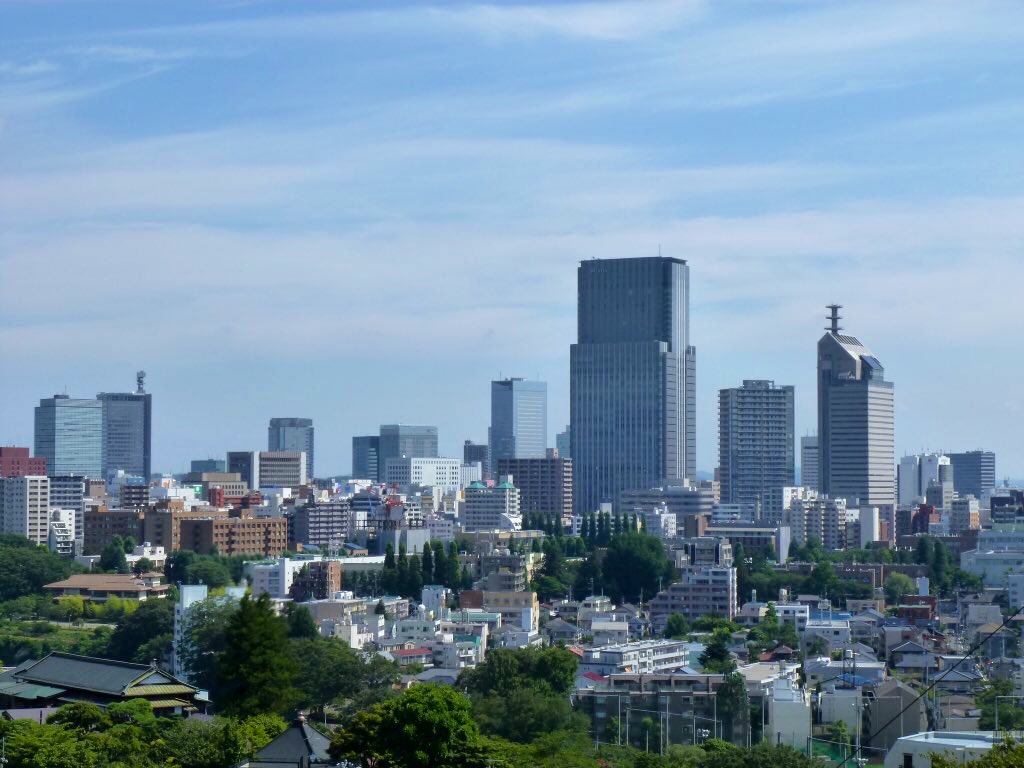
Sendai sits on the island of Honshu, roughly 100 meters above sea level in a subtropical climate zone. The city of 1 million people offers expat-friendly neighborhoods such as Aoba-ku and Izumi-ku, where the expat community remains small but welcoming. English proficiency is limited, so learning basic Japanese goes a long way in daily life.
Living costs in Sendai are modest compared to major global cities. A one-bedroom apartment in the city center rents for $569/mo, while outside the center it drops to $332/mo. A three-bedroom in the center costs $696/mo, and outside the center it is $728/mo. A single adult can live on a budget of $1,700/mo including rent, or comfortably on $4,200/mo. Monthly expenses excluding rent run about $1,000 for a single person and $3,300 for a family of four. Utilities are $138/mo, internet is $35/mo, and a mobile phone plan is $30/mo. A monthly public transport pass costs $38/mo, and a gym membership is $46/mo. Eating out is affordable: an inexpensive restaurant meal is $6 per person, a mid-range three-course meal for two is $35, and a cappuccino is $4. The average monthly net salary is $989/mo, and the cost of living index is 68/100 (New York City = 100).
Safety is a standout feature, with a safety index of 80/100 and a crime index of 20/100 (lower is safer). Healthcare quality is rated as excellent, and the air quality index is 38 (lower is better). These factors make Sendai a secure and healthy place to live.
For remote workers, Japan offers the Japan Digital Nomad Visa, which requires a minimum monthly income of $6,667/mo. The nearest airport is SDJ, just 6 km from the city. Sendai suits budget-conscious expats, retirees (retiree score: 70/100), and those pursuing financial independence (FIRE score: 75/100). The overall expat score is 75/100, and the digital nomad score is 69/100, reflecting a solid quality of life at a reasonable cost.
Estimate the cost of moving to Sendai, Japan
Get a free moving cost estimate for moving to Sendai, Japan. Takes 10 seconds.
How much are you shipping?
When are you moving?
Powered by Sirelo. Free quotes from international movers.
🏚️ Cost of Living
💰 Budgets and Costs
$815/mo, one person, rent included
Selected: budget lifestyle
Sendai at the budget tier comes to about $815 a month for one adult, with $332 of that going to rent. Beyond rent the estimate covers $176 on groceries, $25.00 on dining out, $40.00 on entertainment and lifestyle, $204 on utilities and connectivity and $38.00 on transport.
Rent
$332/mo
1BR outside the centre
Groceries
$176/mo
75% of mid-range grocery spend
Dining out
$25.00/mo
4 inexpensive meals
Entertainment & lifestyle
$40.00/mo
1 cinema trip, 8 cappuccinos
Utilities & connectivity
$204/mo
utilities, mobile, internet
Transport
$38.00/mo
Monthly pass
Budgets (excl. rent)
Single person$483/mo
Excludes rent. The total above is all-in, rent included.
$981/mo, one person, rent included
Selected: mid-range lifestyle
Sendai at the mid-range tier comes to about $981 a month for one adult, with $332 of that going to rent. Beyond rent the estimate covers $234 on groceries, $63.00 on dining out, $110 on entertainment and lifestyle, $204 on utilities and connectivity and $38.00 on transport.
Rent
$332/mo
1BR outside the centre
Groceries
$234/mo
Staples basket scaled to a full month
Dining out
$63.00/mo
10 inexpensive meals
Entertainment & lifestyle
$110/mo
gym, 2 cinema trips, 12 cappuccinos
Utilities & connectivity
$204/mo
utilities, mobile, internet
Transport
$38.00/mo
Monthly pass
Budgets (excl. rent)
Single person$649/mo
Excludes rent. The total above is all-in, rent included.
$1,441/mo, one person, rent included
Selected: comfortable lifestyle
Sendai at the comfortable tier comes to about $1,441 a month for one adult, with $569 of that going to rent. Beyond rent the estimate covers $328 on groceries, $142 on dining out, $160 on entertainment and lifestyle, $204 on utilities and connectivity and $38.00 on transport.
Rent
$569/mo
1BR in the centre
Groceries
$328/mo
140% of mid-range grocery spend
Dining out
$142/mo
6 inexpensive meals + 6 mid-range meals
Entertainment & lifestyle
$160/mo
gym, 4 cinema trips, 20 cappuccinos
Utilities & connectivity
$204/mo
utilities, mobile, internet
Transport
$38.00/mo
Monthly pass
Budgets (excl. rent)
Single person$872/mo
Excludes rent. The total above is all-in, rent included.
Estimates for one adult, built from this city's average prices and the usage shown for each tier. Your spending will differ with how often you eat out and where you live.
A 1BR in the center runs about $569.39/mo. If your income is in another currency, bank FX fees add up. A multi-currency account can cut that cost.
Sendai is exceptionally safe by global standards, with low violent crime, petty theft, and organized crime. The city benefits from Japan's strong policing, social cohesion, and cultural emphasis on order. Expats report feeling secure walking at night in most neighborhoods. Primary concerns are minor: occasional package theft, bicycle theft, and the need to follow local traffic rules strictly. Scams targeting foreigners are rare. The main risk is natural disasters—Sendai's coastal location means earthquake and tsunami preparedness is essential. For Americans seeking a genuinely safe, stable environment with minimal crime, Sendai is an excellent choice.
See how Sendai's digital nomad life compares with Tokyo
🧳 Expat Life
English Proficiency
Limited
Expat Community
Small
Top Neighborhoods
Aoba-ku, Izumi-ku
Banks Nearby
163
ATMs Nearby
269
Expat Life Notes
Sendai offers a high quality of life with a balance of urban convenience and natural beauty, though the expat scene is modest.
Pros
✓ High safety
✓ Beautiful nature and parks
✓ Lower cost than Tokyo
Cons
✗ Language barrier in daily life
✗ Fewer international job opportunities
✗ Cooler winters
🏘️ Neighborhoods in Sendai
Notable areas of Sendai, with descriptions adapted from public reference sources. Rent figures are Numbeo's city-wide averages, not prices for a specific area.
Conditions can change from one block to the next, and these descriptions are general guides, not safety assessments. Before choosing where to stay or live, check current travel advisories, talk to people who live there, and visit in person if you can.
Wakabayashi-ku
Wakabayashi-ku is the eastern ward situated in the city of Sendai, Miyagi Prefecture, Japan. The ward covers an area of 50.86 square kilometers. As of June 1, 2019, the population of Wakabayashi-ku was 138,102.
Numbeo city average, center: $569 (updated Nov 13, 2026)
Taihaku-ku is the southernmost ward of Sendai, in Miyagi Prefecture, Japan. Its western portion is the former town of Akiu, Miyagi. The ward covers 228.39 square kilometers and is the second-largest ward in Sendai, behind Aoba-ku.
Numbeo city average, outside-center: $332 (updated Nov 13, 2026)
Miyagino-ku is the northeastern ward of Sendai, a city in Miyagi Prefecture, Japan. The ward covers 58.19 square kilometers and had a population of 196,086 as of 1 July 2017, with a density of 3370 persons per square kilometer across 91322 households.
Numbeo city average, center: $569 (updated Nov 13, 2026)
Izumi-ku is the northernmost ward of Sendai, in Miyagi Prefecture, Japan. It was formerly the independent city of Izumi, which Sendai annexed in 1988. The area's population grew extremely rapidly from the mid-1970s onward as a bedroom community for central Sendai.
Numbeo city average, outside-center: $332 (updated Nov 13, 2026)
Sendai has a population of approximately 1,045,986 people.
A single person can expect to spend around $1,423 per month in Sendai, including rent. A 1-bedroom apartment in the city center costs approximately $569/month.
The nearest airport to Sendai is SDJ, approximately 5.8km away.
Sendai is considered relatively safe, with a safety index of 90.0. As with any city abroad, expats should research specific neighborhoods before committing to a location.
Sendai has an average internet speed of 125 Mbps. It is considered a well-established digital nomad destination.
It's manageable but genuinely difficult. Daily life — groceries, transport, restaurants — can be navigated with apps and patience, but bureaucratic tasks like opening a bank account, signing a lease, or dealing with city hall assume Japanese literacy. English signage exists near the university and major stations, but Sendai is not set up for English-only living the way Tokyo partially is. Learning at least basic Japanese before arriving will save you significant frustration.
Sendai scores an 80 on the safety index, which is high — street crime is rare and the city feels secure day and night. The 2011 disaster caused catastrophic damage, particularly to coastal areas like Arahama, but the city center and most residential neighborhoods have been rebuilt. Coastal zones have permanent seawalls and evacuation infrastructure now. Earthquake preparedness is part of daily life in Japan, and Sendai takes it seriously — which is reassuring rather than alarming once you understand the systems.
English teaching (ALT programs and private eikaiwa schools) is the most accessible route for foreigners without Japanese. Tohoku University creates demand for researchers, lab staff, and international coordinators, and some positions are advertised in English. Remote work is increasingly viable given the city's infrastructure and lower cost versus Tokyo. Corporate job opportunities in Japanese companies are limited without business-level Japanese. The city is not a startup hub — if you need a dynamic international job market, you'll likely need to look elsewhere or work remotely.
Expect to spend around $1,500-$2,500 USD per month, depending on your lifestyle. Rent for a one-bedroom apartment in a central area like Aoba-ku can range from $600-$1000, while groceries and dining out are comparable to mid-sized US cities. Public transport is efficient and affordable, helping to keep costs down.
Japan doesn't have a specific retirement visa. However, you could explore options like the long-term visitor visa (requiring proof of sufficient funds) or consider investing in a business to qualify for a business visa. Consulting with an immigration lawyer specializing in Japanese visas is highly recommended.
Sendai has a high-quality healthcare system. While not all doctors speak fluent English, larger hospitals like Tohoku University Hospital often have English-speaking staff or translation services available. Private clinics may also cater to expats and offer English support.
Aoba-ku is popular for its central location and amenities, but it's also pricier. Izumi-ku offers a more suburban feel with larger apartments and green spaces, while Wakabayashi-ku is known for its affordability and proximity to the coast. Consider your budget and lifestyle when choosing a neighborhood.
Sendai experiences four distinct seasons. Summers are hot and humid, winters are cold with occasional snowfall, and spring and autumn offer pleasant temperatures and beautiful foliage. Be prepared for typhoons during the late summer and early autumn months.
Sendai boasts excellent internet infrastructure. You can expect fast and reliable connections throughout the city, making it ideal for remote work. Many cafes and coworking spaces also offer high-speed Wi-Fi.
Yes, Sendai has a growing number of coworking spaces catering to freelancers and remote workers. Spaces like WeWork and local options provide a professional environment with amenities like high-speed internet, meeting rooms, and networking opportunities.
Opening a bank account can be challenging without a long-term visa and residence card. You'll typically need these documents, along with your passport and proof of address. Some banks may require a Japanese speaker to assist with the application process.
As a US citizen, you're still required to file US taxes even when living abroad. You may be able to take advantage of the Foreign Earned Income Exclusion (FEIE) or Foreign Tax Credit to reduce your tax burden. Consult with a tax professional specializing in expat taxes.
While not as large as Tokyo or Osaka, Sendai has a growing expat community, primarily consisting of teachers, researchers, and international students. Online forums and social media groups can help you connect with other expats in the city.
Sendai has an excellent public transportation system, including subways, buses, and trains. The subway is efficient for getting around the city center, while buses connect to more suburban areas. Consider purchasing a rechargeable travel card for convenience.
With $2,000-$3,000 USD per month in passive income, you can live comfortably in Sendai, covering rent, utilities, groceries, and some entertainment. This allows for a modest but enjoyable lifestyle, especially if you embrace local culture and avoid excessive spending.
The central areas of Sendai, like Aoba-ku, are very walkable and pedestrian-friendly. However, distances between neighborhoods can be significant, so public transport or cycling is often necessary for longer commutes.
Sendai is known for its delicious cuisine, particularly gyutan (grilled beef tongue) and zunda mochi (sweet edamame paste). You'll find a wide variety of restaurants offering both traditional Japanese dishes and international cuisine. Dining out can be relatively affordable, especially if you explore local eateries.
Cost-of-living and visa updates for Sendai and the rest of Japan. Free with RA Postcards.
By submitting your email address, you will receive a free subscription to RA Postcards and special offers from Rewire Abroad and our affiliates. You can unsubscribe at any time, and we encourage you to read more about our Privacy Policy.