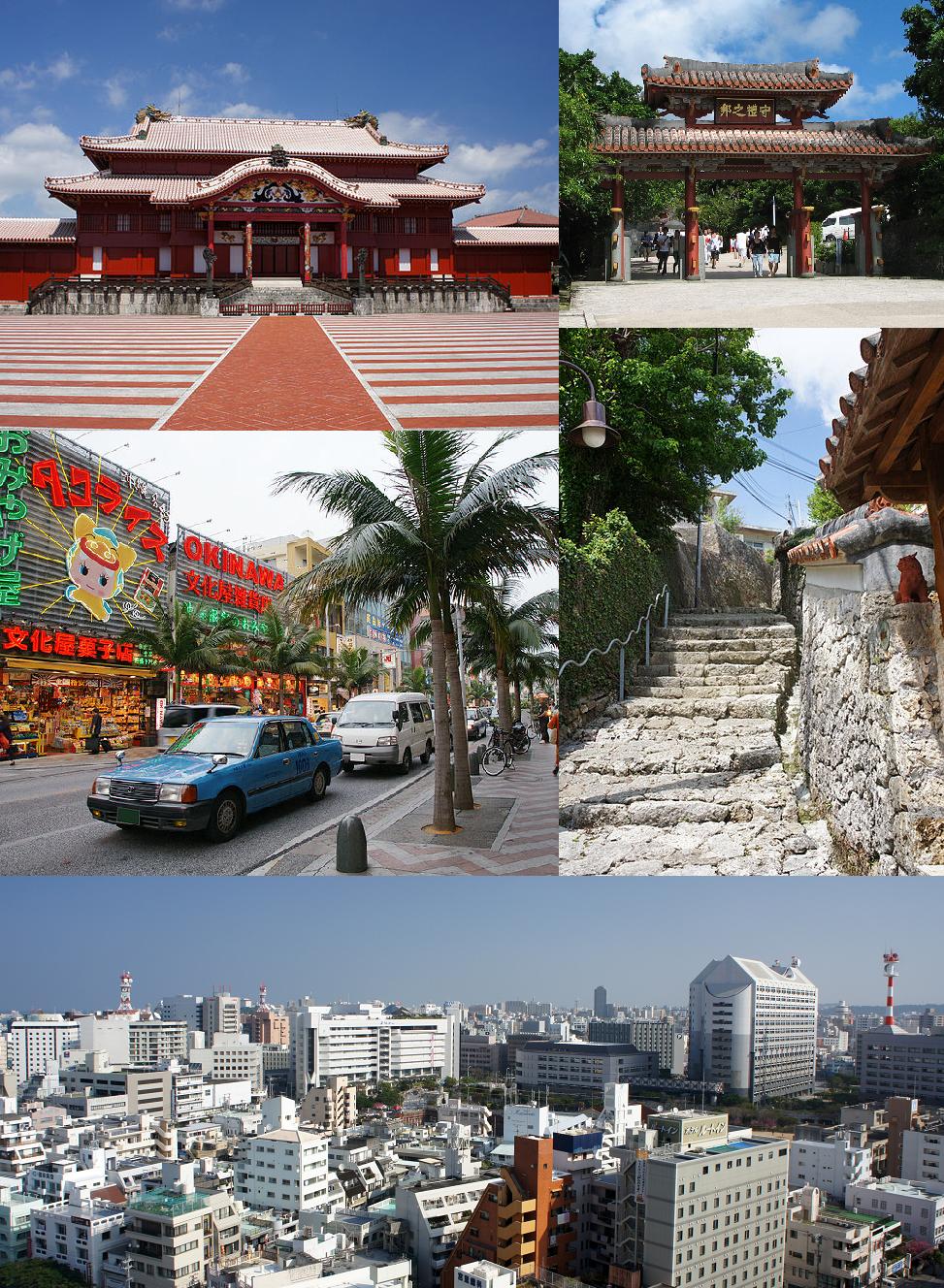
Naha, Japan
Data updated Sep 3, 2026
📊 Scores
Tourism and service industries dominate the local economy, with most jobs concentrated in hotels, restaurants, retail, and government administration. Kokusai Street's shops and entertainment venues employ thousands, while Naha Airport and port logistics provide steady work. English teaching positions exist but competition is fierce, and most professional jobs require fluent Japanese. The public sector offers stability, but private sector wages lag behind mainland Japan while imported goods cost 20-30% more due to shipping.
Expect to pay around $650/month for a one-bedroom in the city center, with utilities adding another $80-100. The monorail system works well for getting around the city ($1.50 per ride), but you'll need a car for exploring the island. Healthcare is excellent through Japan's national system, though finding English-speaking doctors requires research. Bureaucracy follows standard Japanese procedures—meticulous but predictable. The language barrier is real; basic Japanese is essential for anything beyond tourist areas.
Year-round warmth means beach weekends and outdoor activities, but summer humidity is oppressive and typhoons disrupt life June through October. The food scene mixes Okinawan specialties like goya champuru with standard Japanese fare, though dining out costs add up quickly. The expat community is small but tight-knit, mostly military families and English teachers. Weekend options include beaches, historical sites, and island-hopping, but nightlife is limited compared to mainland cities. This works best for people who prioritize warm weather and a slower pace over career advancement and urban amenities.
🏚️ Cost of Living
💰 Budgets and Costs
Grocery Basket
Eating Out
Utilities & Lifestyle
Housing
A 1BR in the center runs about $717.52/mo. If your income is in another currency, bank FX fees add up. A multi-currency account can cut that cost.
See low-fee transfersWe may earn a commission at no cost to you.
💰 Real Spend Reports
🛡️ Safety & Crime
(Higher is safer)
(Lower is safer)
Naha is exceptionally safe by global standards, with violent crime extremely rare and petty theft minimal. The city benefits from Japan's strong law enforcement, social cohesion, and low crime culture. Main concerns for expats are minor: occasional package theft, bicycle theft in residential areas, and standard travel scams (overpriced taxis, tourist traps). Avoid excessive displays of wealth and use common sense in nightlife districts late at night. For an American considering relocation, Naha presents virtually no safety barriers—crime is genuinely not a practical concern here.
🏥 Healthcare
🌤️ Climate
Best Months
Climate Notes
Naha has a subtropical climate with hot, humid summers (May-September with typhoon season) and mild winters, making it Japan's warmest city year-round.
💻 Digital Nomad
Community Notes
Planning to live in Naha long-term? Japan Digital Nomad Visa lets remote workers live legally with a minimum income of $6,667/month.
View full requirements →Working remotely from Naha? Nomad health insurance covers you across borders, month to month.
See nomad insuranceWe may earn a commission at no cost to you.
🧳 Expat Life
Expat Life Notes
The capital of Okinawa offers a subtropical life. The expat community is mostly military or educators.
Pros
- ✓ Unique culture
- ✓ Tropical climate
- ✓ High safety
Cons
- ✗ Isolated from main islands
- ✗ Typhoon risk
- ✗ High humidity
🛂 Visa Options for Japan
Many long-stay visas require proof of health insurance. Compare international health plans before you apply.
Compare health insuranceWe may earn a commission at no cost to you.
Earning over $6,667/mo? You may qualify for a Japan visa.
Answer 10 questions and get a personalized match in under 2 minutes.
Could living/working in Naha cut years off your work life?
With a 1-bedroom in the center at $574/mo, your FIRE number here might be much lower than you think.
Moving to Naha? Estimate what an international move would cost and compare mover quotes.
Estimate my move costShare This Guide
Naha won't stay this cheap forever.
Cost-of-living and visa updates for Naha and the rest of Japan. Free with RA Postcards.
By submitting your email address, you will receive a free subscription to RA Postcards and special offers from Rewire Abroad and our affiliates. You can unsubscribe at any time, and we encourage you to read more about our Privacy Policy.