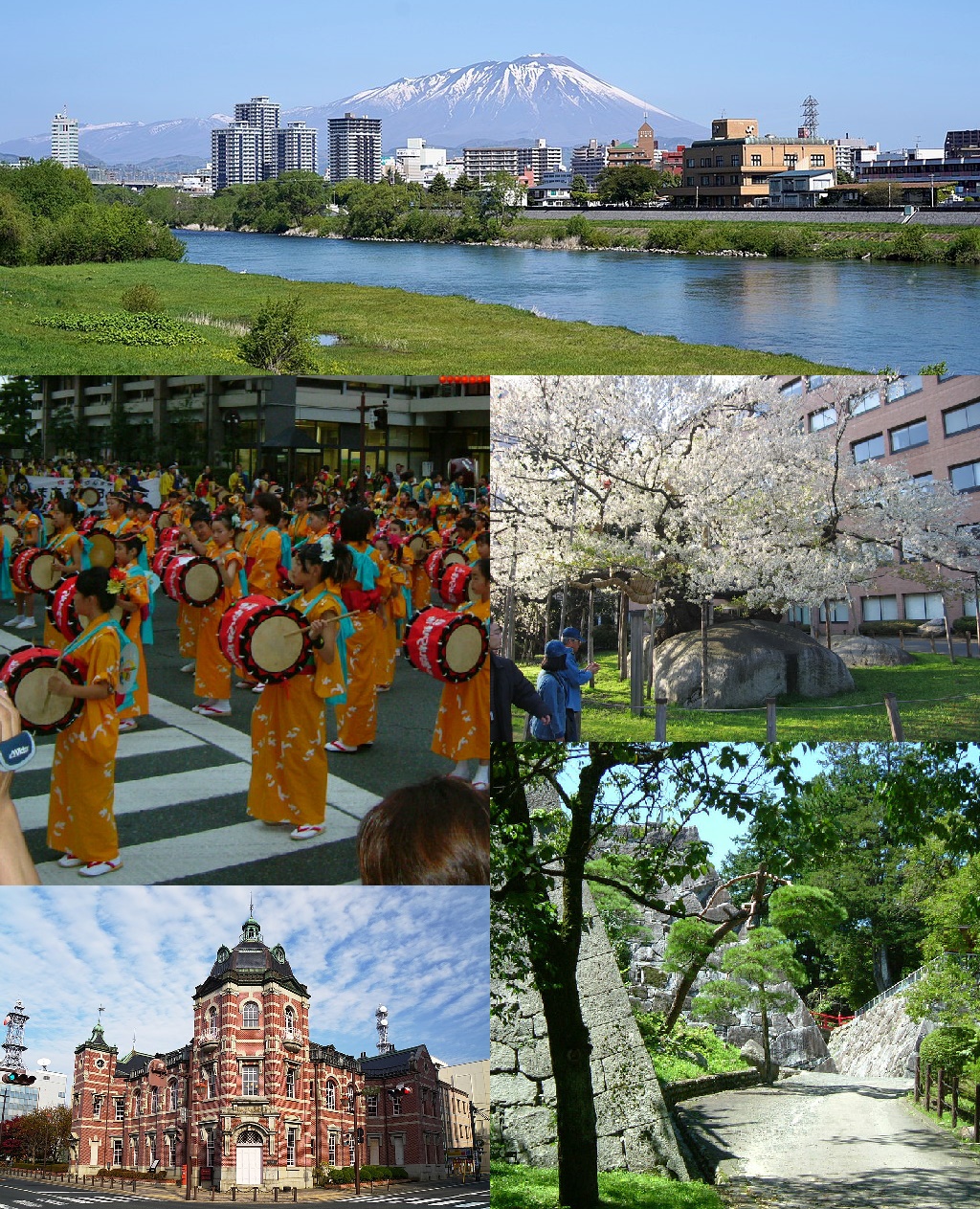
Morioka, Japan
Data updated Sep 3, 2026
📊 Scores
Regional government jobs dominate the employment landscape as the prefectural capital, alongside food processing plants and light manufacturing that serve the broader Tōhoku region. Agriculture and forestry remain significant, with many residents working in supply chains for these traditional industries. The job market is stable but limited for foreigners — English teaching positions exist, but most other work requires fluent Japanese and connections within established companies. Economic growth has stagnated since 2000, reflecting Japan's broader demographic challenges.
Rent averages $650 monthly for a city center one-bedroom, dropping to $400-500 in outer areas. The Shinkansen connects you to Tokyo in 2.5 hours for ¥10,000+ each way, while local transport relies on buses and limited rail lines. Healthcare follows Japan's national system with excellent quality but requires navigating paperwork in Japanese. City hall bureaucracy moves slowly, and most services assume zero English ability — bring a translator for anything beyond basic transactions.
Winters dump heavy snow from December through March with temperatures regularly below freezing, while summers stay pleasantly mild. The food scene centers on exceptional soba noodles and local beef, though international options are scarce. Weekend activities involve hiking nearby mountains, visiting traditional craft workshops, or day trips via Shinkansen. The expat community is tiny — maybe a few dozen Westerners total. This works for people who want authentic rural Japan with decent city amenities and don't mind linguistic isolation.
🏚️ Cost of Living
💰 Budgets and Costs
Grocery Basket
Eating Out
Utilities & Lifestyle
Housing
A 1BR in the center runs about $650/mo. If your income is in another currency, bank FX fees add up. A multi-currency account can cut that cost.
See low-fee transfersWe may earn a commission at no cost to you.
💰 Real Spend Reports
🛡️ Safety & Crime
(Higher is safer)
(Lower is safer)
Morioka is exceptionally safe for expats, with very low violent crime and petty theft rates typical of Japan's regional cities. The main concerns are minor: occasional bicycle theft, rare package theft, and standard scams targeting foreigners unfamiliar with Japanese banking. Avoid no particular neighborhoods—crime is distributed evenly and minimal. Expats report feeling comfortable walking alone at night. The city's compact size, strong community policing, and cultural emphasis on order make it an ideal choice for remote workers or retirees seeking a secure, quiet environment with authentic Japanese life.
🏥 Healthcare
🌤️ Climate
Best Months
Climate Notes
Morioka has a humid continental climate with cold, snowy winters (December–February) and mild summers, offering distinct seasons ideal for those seeking traditional Japanese seasonal changes.
💻 Digital Nomad
Community Notes
| Name | Price/mo | Notes |
|---|---|---|
| fabbit Morioka | $150 | Located near Morioka Station, fabbit offers a modern, professional environment with private offices and coworking spaces. It's a good option for those needing a reliable and well-equipped workspace with easy access to transportation. |
| ATOMica Morioka | $120 | ATOMica is known for its community-focused atmosphere and collaborative events. Located centrally, it's a good choice for digital nomads looking to connect with local entrepreneurs and other remote workers. |
| MOSS building | $100 | MOSS building offers a shared office space with a focus on supporting local businesses and entrepreneurs. It provides a more casual and community-oriented environment, suitable for those seeking a less corporate atmosphere. |
Planning to live in Morioka long-term? Japan Digital Nomad Visa lets remote workers live legally with a minimum income of $6,667/month.
View full requirements →Working remotely from Morioka? Nomad health insurance covers you across borders, month to month.
See nomad insuranceWe may earn a commission at no cost to you.
🧳 Expat Life
Expat Life Notes
Morioka offers a safe, traditional Japanese life with beautiful mountain views, but very little foreign support.
Pros
- ✓ Safe and clean
- ✓ Rich artisanal history
- ✓ Gateway to Tohoku nature
Cons
- ✗ Limited English prevalence
- ✗ Quiet social scene
- ✗ Limited international career paths
🛂 Visa Options for Japan
Many long-stay visas require proof of health insurance. Compare international health plans before you apply.
Compare health insuranceWe may earn a commission at no cost to you.
Earning over $6,667/mo? You may qualify for a Japan visa.
Answer 10 questions and get a personalized match in under 2 minutes.
Could living/working in Morioka cut years off your work life?
With a 1-bedroom in the center at $520/mo, your FIRE number here might be much lower than you think.
Moving to Morioka? Estimate what an international move would cost and compare mover quotes.
Estimate my move costShare This Guide
Morioka won't stay this cheap forever.
Cost-of-living and visa updates for Morioka and the rest of Japan. Free with RA Postcards.
By submitting your email address, you will receive a free subscription to RA Postcards and special offers from Rewire Abroad and our affiliates. You can unsubscribe at any time, and we encourage you to read more about our Privacy Policy.