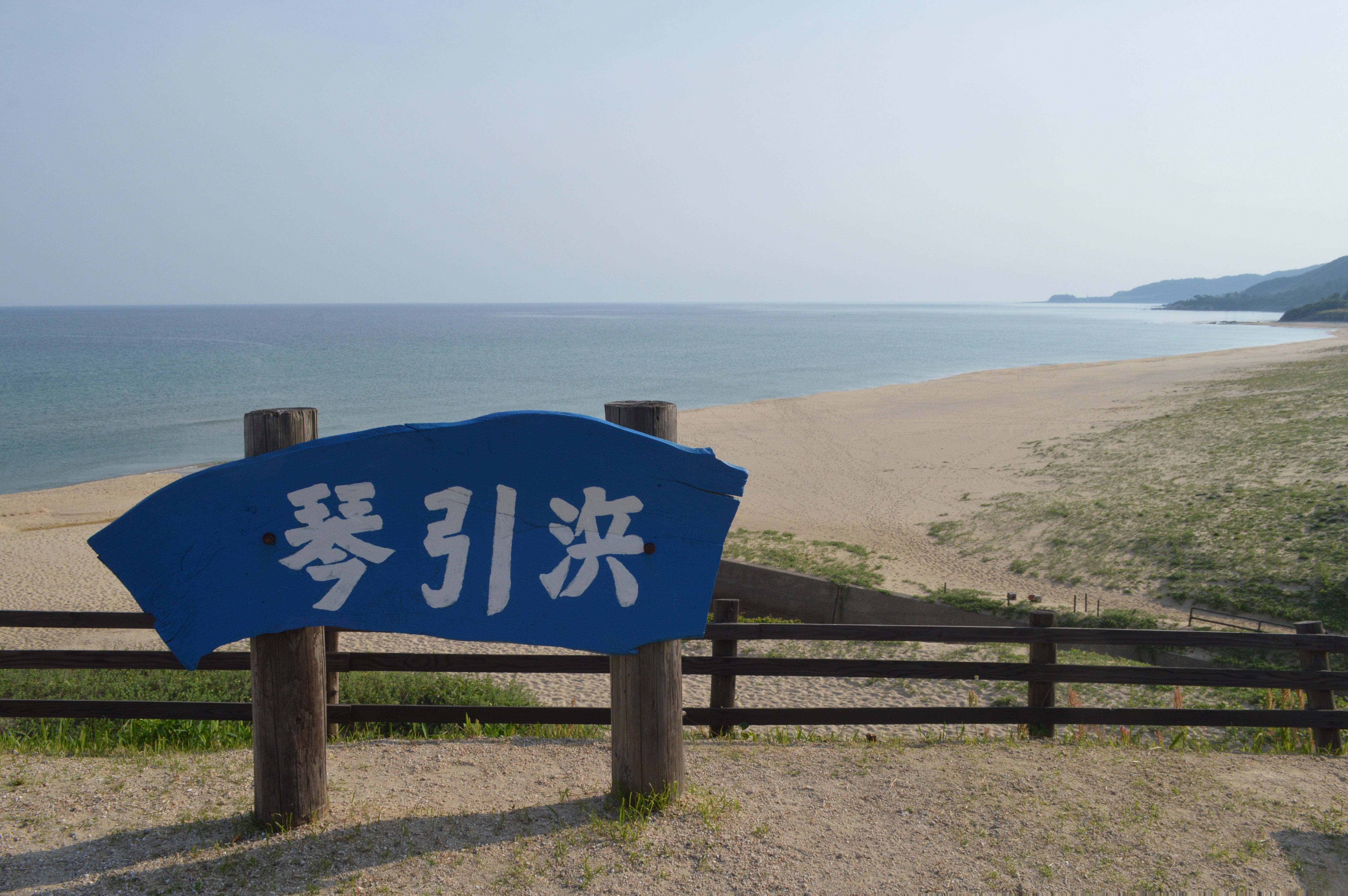
Kyotango, Japan
Data updated Sep 3, 2026
📊 Scores
Agriculture, fishing, and textile mills anchor Kyotango's economy—this is not a place where remote workers cluster. The Tango Chirimen fabric industry still operates here, though scaled down from its postwar peak. Tourism from hot springs visitors provides seasonal income, and the Japan Air Self-Defense Force base adds defense-sector employment. Most locals work in agriculture, hospitality, or small manufacturing. If you need a job market, look elsewhere; if you're self-funded, the low cost of living is real.
Rent runs $700/month for a one-bedroom in the city center—genuinely cheap by Japan standards. Winter is brutal: heavy snow, temperatures near freezing, and roads can close. Healthcare is accessible but English-speaking doctors are rare; expect to navigate Japanese bureaucracy and possibly hire a translator for medical visits. Public transport exists but is sparse; a car is nearly mandatory. The language barrier is significant—English proficiency among locals is low, and signage outside tourist areas is Japanese-only.
Winters are long and dark; summers are warm and humid. Food is fresh and local—seafood, mountain vegetables, rice—but dining out is limited and repetitive. The onsen culture is genuine; soaking in hot springs is a weekend ritual. The expat community is tiny, maybe a few dozen long-term residents. Weekends mean hiking the Geopark trails, visiting nearby Kinosaki Onsen, or driving to Kyoto (90 minutes). Kyotango suits retirees seeking solitude, Japanese language learners, and people who genuinely want rural Japan—not digital nomads seeking community or nightlife.
🏚️ Cost of Living
💰 Budgets and Costs
Grocery Basket
Eating Out
Utilities & Lifestyle
Housing
A 1BR in the center runs about $368.8/mo. If your income is in another currency, bank FX fees add up. A multi-currency account can cut that cost.
See low-fee transfersWe may earn a commission at no cost to you.
💰 Real Spend Reports
🛡️ Safety & Crime
(Higher is safer)
(Lower is safer)
Kyotango is exceptionally safe for expats, with a Safety Index of 85 reflecting Japan's low violent crime rates and strong community policing. Petty theft and scams are minimal concerns; the main risks are typical of rural Japan—occasional bicycle theft and minor property crime. There are no neighborhoods to avoid. The primary adjustment for Americans is understanding Japan's strict drug laws and traffic safety (drive defensively). Geopolitically, North Korea's proximity warrants basic awareness, though it poses negligible daily risk. Overall, this is an ideal choice for expats seeking a secure, peaceful environment.
🏥 Healthcare
🌤️ Climate
Best Months
Climate Notes
Kyotango has a humid subtropical climate with warm, wet summers (June-September) and cold, snowy winters (December-February), requiring adaptation to seasonal extremes and high precipitation year-round.
💻 Digital Nomad
Community Notes
| Name | Price/mo | Notes |
|---|---|---|
| 丹後王国「食のみやこ」 | $25 | While not a dedicated coworking space, Tango Kingdom offers free Wi-Fi, ample outdoor seating, and indoor restaurant space suitable for remote work. Located in Tango-cho, it's a good option for those who enjoy working in a relaxed, park-like environment. |
| 道の駅 てんきてんき丹後 | $20 | Similar to Tango Kingdom, Tenki Tenki Tango Roadside Station provides free Wi-Fi and seating areas, making it a budget-friendly option for digital nomads. Located in Tango-cho, it offers a chance to experience local culture while working. |
Planning to live in Kyotango long-term? Japan Digital Nomad Visa lets remote workers live legally with a minimum income of $6,667/month.
View full requirements →Working remotely from Kyotango? Nomad health insurance covers you across borders, month to month.
See nomad insuranceWe may earn a commission at no cost to you.
🧳 Expat Life
Expat Life Notes
A rural coastal city in Kyoto Prefecture known for weaving and hot springs.
Pros
- ✓ High safety
- ✓ Beautiful coastlines
- ✓ Traditional life
Cons
- ✗ Requires Japanese for life
- ✗ Limited nightlife
- ✗ Geographically isolated from major hubs
🛂 Visa Options for Japan
Many long-stay visas require proof of health insurance. Compare international health plans before you apply.
Compare health insuranceWe may earn a commission at no cost to you.
Earning over $6,667/mo? You may qualify for a Japan visa.
Answer 10 questions and get a personalized match in under 2 minutes.
Could living/working in Kyotango cut years off your work life?
With a 1-bedroom in the center at $221/mo, your FIRE number here might be much lower than you think.
Moving to Kyotango? Estimate what an international move would cost and compare mover quotes.
Estimate my move costShare This Guide
Kyotango won't stay this cheap forever.
Cost-of-living and visa updates for Kyotango and the rest of Japan. Free with RA Postcards.
By submitting your email address, you will receive a free subscription to RA Postcards and special offers from Rewire Abroad and our affiliates. You can unsubscribe at any time, and we encourage you to read more about our Privacy Policy.