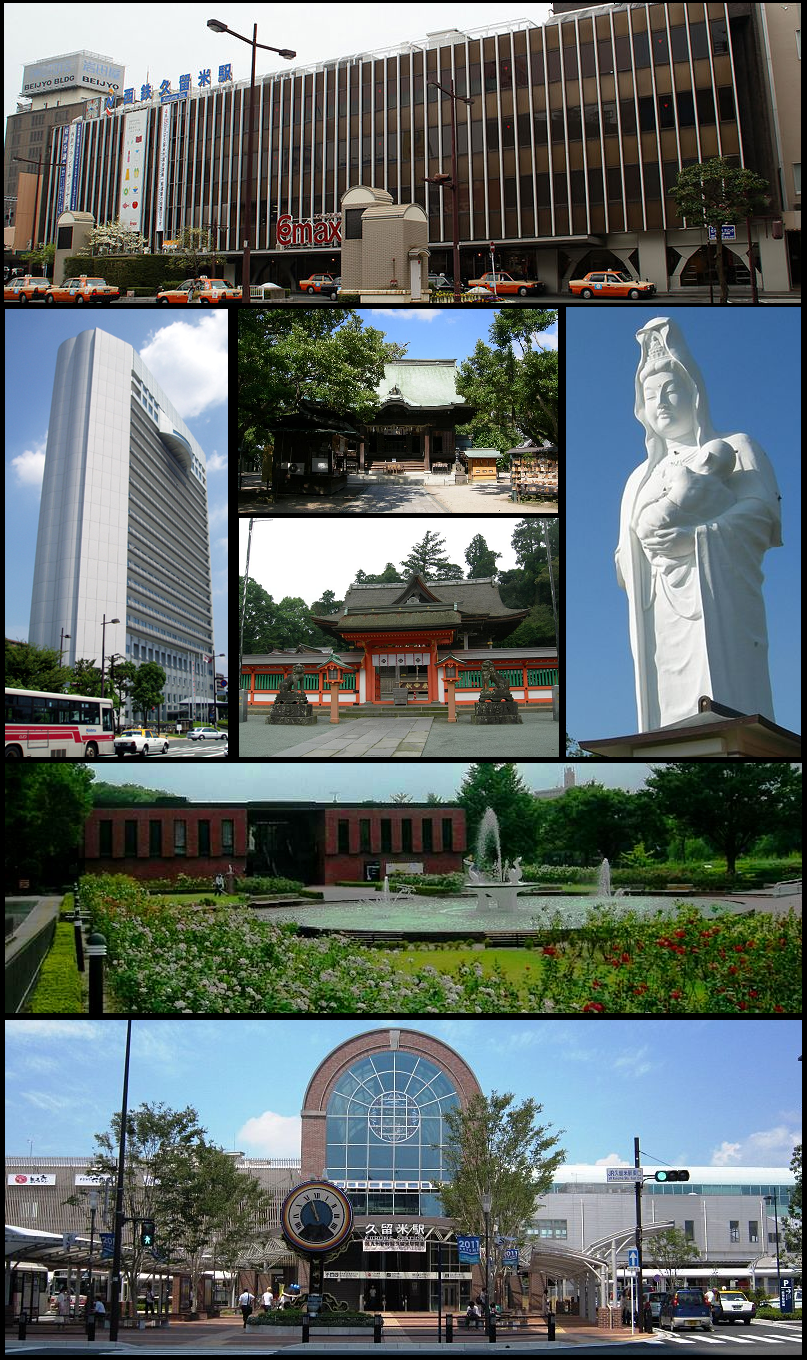
Kurume, Japan
Data updated Sep 3, 2026
📊 Scores
Manufacturing drives this mid-sized industrial city, with chemical plants and rubber production anchoring the local economy since Bridgestone's founding here in the 1930s. The tire giant's legacy created a cluster of automotive suppliers and chemical companies that still employ thousands of locals. English-teaching positions exist but competition is fierce with limited ALT spots across the merged municipalities. Most expat work requires Japanese fluency and manufacturing experience, making this a tough landing spot for fresh arrivals without specialized skills.
Rent averages $550 monthly for a decent 1BR in the center, significantly cheaper than nearby Fukuoka City 40km north. The JR Kagoshima line connects you to Fukuoka in 30-45 minutes for ¥400, making commuting feasible if you land work in the prefectural capital. Healthcare runs through Japan's national system with several hospitals, though English support is minimal outside emergency situations. City hall bureaucracy moves at typical Japanese pace—expect multiple visits for residence registration, but staff try to help despite language barriers.
Summers hit 28°C with oppressive humidity and nearly 2,000mm annual rainfall that makes umbrellas essential gear. The food scene centers on Kurume ramen (tonkotsu style) and yakitori, with decent izakaya scattered around the station area. Weekend options include river walks along the Chikugo or day trips to Fukuoka for actual nightlife and international dining. The expat community numbers maybe 200-300 people, mostly English teachers and a handful of factory engineers. This city works for people who want affordable Japan living with big-city access, not those seeking vibrant international scenes.
🏚️ Cost of Living
💰 Budgets and Costs
Grocery Basket
Eating Out
Utilities & Lifestyle
Housing
A 1BR in the center runs about $187.18/mo. If your income is in another currency, bank FX fees add up. A multi-currency account can cut that cost.
See low-fee transfersWe may earn a commission at no cost to you.
💰 Real Spend Reports
🛡️ Safety & Crime
(Higher is safer)
(Lower is safer)
Kurume is exceptionally safe for expats, with very low violent crime and petty theft rates typical of mid-sized Japanese cities. The main concerns are minor: occasional bicycle theft, scams targeting elderly residents (less relevant to expats), and the need to follow local traffic rules carefully. Police presence is visible and responsive. No neighborhoods are genuinely dangerous; standard urban awareness suffices. For Americans accustomed to U.S. crime rates, Kurume will feel remarkably secure—you can walk alone at night without concern and leave doors unlocked without significant risk.
🏥 Healthcare
🌤️ Climate
Best Months
Climate Notes
Kurume has a humid subtropical climate with hot, wet summers (June-September) and mild, dry winters, typical of Kyushu's northern region.
💻 Digital Nomad
Community Notes
| Name | Price/mo | Notes |
|---|---|---|
| Basis Point | $150 | A modern coworking space located near Kurume Station, offering a professional environment with meeting rooms and event space. Caters to startups and freelancers, providing a collaborative atmosphere. |
| WeWork Fukuoka Daimyo | $350 | While technically in Fukuoka, it's a viable option for those willing to commute (approx. 30-45 min by train). Offers a reliable, international-standard coworking experience with all amenities, community events, and English-speaking staff. |
| The Company Hakata | $280 | Another option in nearby Fukuoka (Hakata), The Company provides a stylish and flexible workspace with a focus on community and networking. Offers various membership options and is well-suited for digital nomads seeking a vibrant environment. |
Planning to live in Kurume long-term? Japan Digital Nomad Visa lets remote workers live legally with a minimum income of $6,667/month.
View full requirements →Working remotely from Kurume? Nomad health insurance covers you across borders, month to month.
See nomad insuranceWe may earn a commission at no cost to you.
🧳 Expat Life
Expat Life Notes
An industrial and medical hub in Fukuoka Prefecture. Quiet, safe, and local.
Pros
- ✓ Strong healthcare facilities
- ✓ Safe and family-friendly
- ✓ Direct train to Fukuoka
Cons
- ✗ Minimal English spoken
- ✗ No expat social circle
- ✗ Bedroom-town feel
🛂 Visa Options for Japan
Many long-stay visas require proof of health insurance. Compare international health plans before you apply.
Compare health insuranceWe may earn a commission at no cost to you.
Earning over $6,667/mo? You may qualify for a Japan visa.
Answer 10 questions and get a personalized match in under 2 minutes.
Could living/working in Kurume cut years off your work life?
With a 1-bedroom in the center at $150/mo, your FIRE number here might be much lower than you think.
Moving to Kurume? Estimate what an international move would cost and compare mover quotes.
Estimate my move costShare This Guide
Kurume won't stay this cheap forever.
Cost-of-living and visa updates for Kurume and the rest of Japan. Free with RA Postcards.
By submitting your email address, you will receive a free subscription to RA Postcards and special offers from Rewire Abroad and our affiliates. You can unsubscribe at any time, and we encourage you to read more about our Privacy Policy.