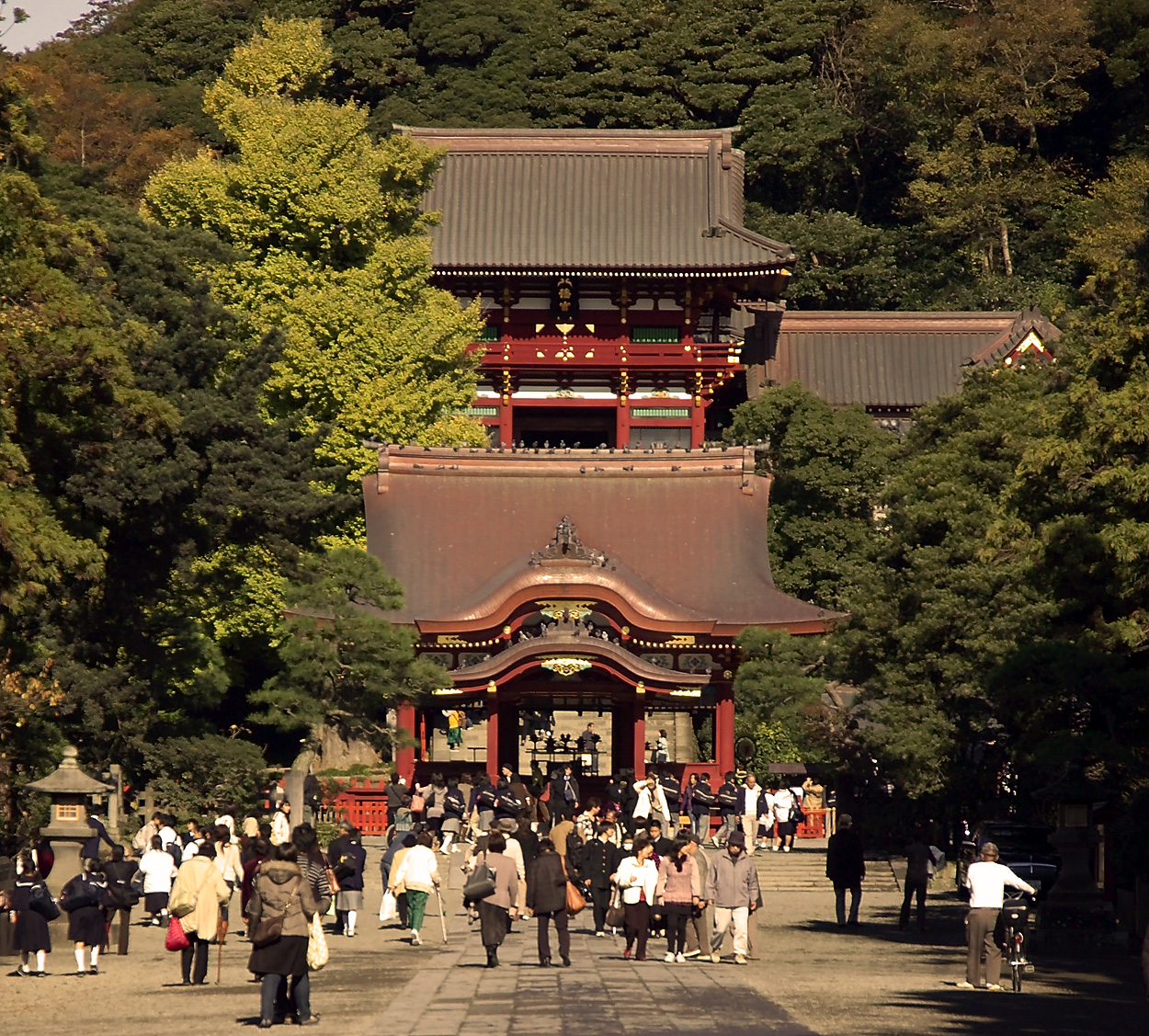
Kamakura, Japan
Data updated Sep 3, 2026
📊 Scores
Tourism drives everything here, with most locals working in hospitality, temple maintenance, cultural preservation, or commuting to Tokyo for corporate jobs. The Great Buddha and dozens of temples create steady visitor flow, supporting restaurants, souvenir shops, and guesthouses. Real career opportunities are limited unless you're in tourism management or can land remote work. Many residents treat Kamakura as an expensive bedroom community, taking the 45-minute train ride to Tokyo's job market daily.
Expect $1,100+ monthly for a decent one-bedroom in the center, with cheaper options further from stations but still pricey by Japanese standards. The JR Tokaido line connects you to Tokyo in under an hour, though rush hour trains pack like sardines. Healthcare follows Japan's excellent national system, but navigating it requires functional Japanese — English-speaking doctors are rare. City hall bureaucracy moves at typical Japanese pace: thorough, polite, and glacially slow without language skills.
Humid summers and mild winters make year-round temple visits pleasant, though typhoon season brings real flooding risks. The food scene leans heavily toward tourist-friendly traditional fare and overpriced temple vegetarian meals, with limited international options. Expat community is tiny — mostly long-term English teachers and retirees who've mastered Japanese. Weekends mean dodging tour groups at temples or escaping to nearby hiking trails. This works for people seeking traditional Japanese atmosphere who don't mind paying Tokyo-adjacent prices for small-town limitations.
🏚️ Cost of Living
💰 Budgets and Costs
Grocery Basket
Eating Out
Utilities & Lifestyle
Housing
A 1BR in the center runs about $1100/mo. If your income is in another currency, bank FX fees add up. A multi-currency account can cut that cost.
See low-fee transfersWe may earn a commission at no cost to you.
💰 Real Spend Reports
🛡️ Safety & Crime
(Higher is safer)
(Lower is safer)
Kamakura is exceptionally safe by global standards, with very low violent crime and petty theft. The main concerns for expats are minor: occasional bicycle theft, rare package theft, and standard scams targeting foreigners (overly friendly strangers, inflated tourist prices). Avoid isolated areas late at night, though this is more precaution than necessity. The city's compact, walkable layout and strong community policing make it ideal for remote workers and retirees seeking a secure, peaceful environment with authentic Japanese culture.
🏥 Healthcare
🌤️ Climate
Best Months
Climate Notes
Kamakura has a humid subtropical climate with warm, wet summers (June-September) and mild, dry winters, making spring (March-May) and autumn (September-November) the most pleasant seasons for expats.
💻 Digital Nomad
Community Notes
| Name | Price/mo | Notes |
|---|---|---|
| Basis Point Kamakura | $250 | Located a short walk from Kamakura Station, Basis Point offers a modern and stylish workspace with a focus on community. It's a good option for those seeking a professional environment with networking opportunities in a central location. |
| Garage Kamakura | $200 | Garage Kamakura provides a more relaxed and creative atmosphere, ideal for freelancers and entrepreneurs. Situated near Yuigahama Beach, it offers a unique blend of work and leisure, perfect for digital nomads seeking a laid-back vibe. |
| ATOMica Kamakura | $180 | ATOMica Kamakura is a community-focused coworking space that aims to foster collaboration and innovation. It's located a bit further from the main station, offering a quieter environment with a strong emphasis on local connections and events. |
Planning to live in Kamakura long-term? Japan Digital Nomad Visa lets remote workers live legally with a minimum income of $6,667/month.
View full requirements →Working remotely from Kamakura? Nomad health insurance covers you across borders, month to month.
See nomad insuranceWe may earn a commission at no cost to you.
🧳 Expat Life
Expat Life Notes
A historic coastal town near Tokyo favored by creative expats and retirees for its traditional beauty.
Pros
- ✓ Stunning history and beaches
- ✓ Safe and safe
- ✓ Proximity to Tokyo
Cons
- ✗ Very high land prices
- ✗ Tourist crowds on weekends
- ✗ Quiet sociali scene
🛂 Visa Options for Japan
Many long-stay visas require proof of health insurance. Compare international health plans before you apply.
Compare health insuranceWe may earn a commission at no cost to you.
Earning over $6,667/mo? You may qualify for a Japan visa.
Answer 10 questions and get a personalized match in under 2 minutes.
Could living/working in Kamakura cut years off your work life?
With a 1-bedroom in the center at $880/mo, your FIRE number here might be much lower than you think.
Moving to Kamakura? Estimate what an international move would cost and compare mover quotes.
Estimate my move costShare This Guide
Kamakura won't stay this cheap forever.
Cost-of-living and visa updates for Kamakura and the rest of Japan. Free with RA Postcards.
By submitting your email address, you will receive a free subscription to RA Postcards and special offers from Rewire Abroad and our affiliates. You can unsubscribe at any time, and we encourage you to read more about our Privacy Policy.