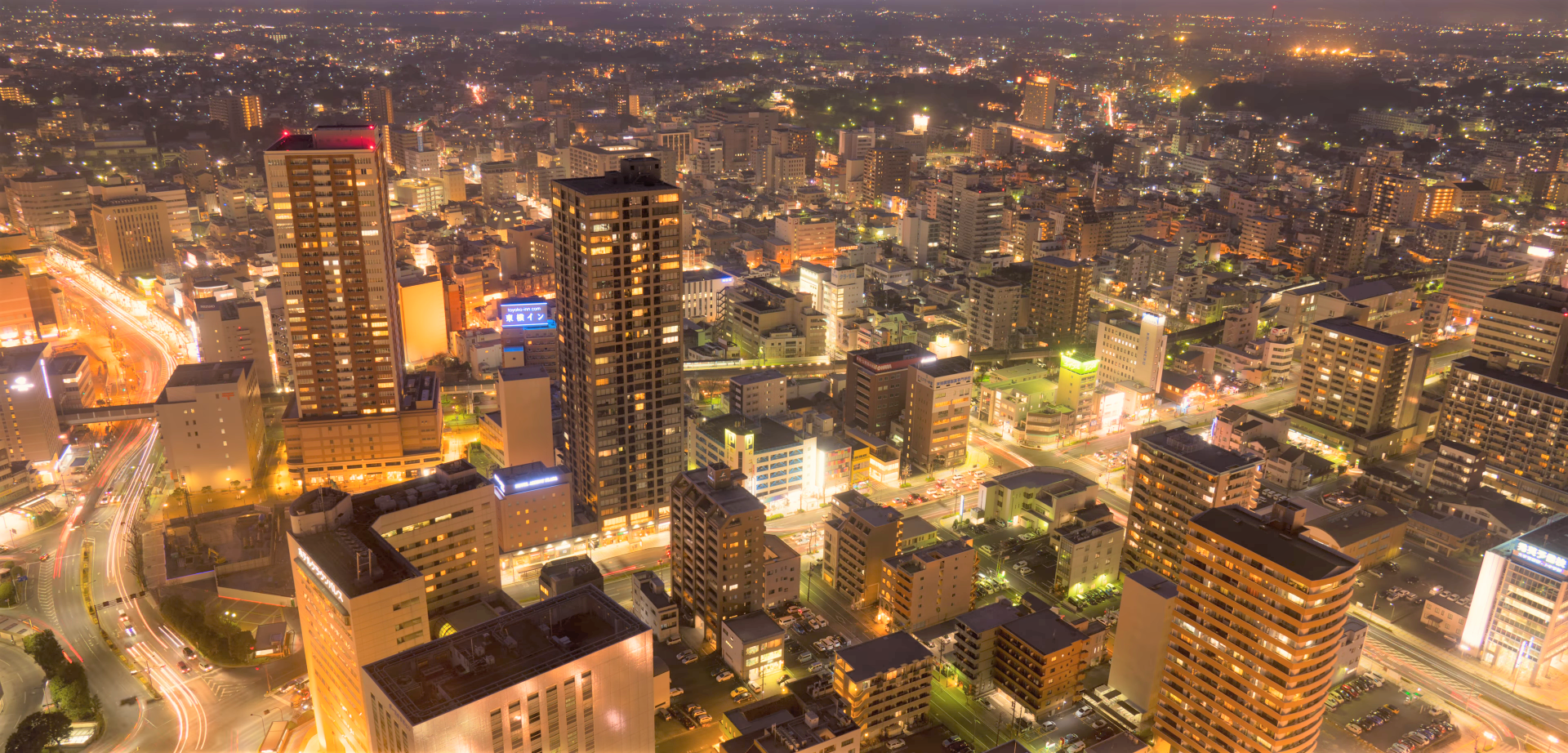
Hamamatsu, Japan
Data updated Sep 3, 2026
📊 Scores
If you don't work in manufacturing or teach English, your job prospects here evaporate fast. Yamaha, Kawai, and Honda anchor an industrial economy that runs on engineers, technicians, and production managers. Remote workers exist, but they're a thin sliver of the expat population; this is a factory city first. A one-bedroom in the center runs $750 a month, and your total monthly nut excluding rent will hover around $1,000. That's reasonable for Japan, but don't move here expecting Chiang Mai prices and a laptop-in-a-cafe lifestyle.
Daily survival demands decent Japanese or a friend who speaks it. City hall paperwork, bank contracts, and appliance manuals are Japanese-only. You'll buy a used kei car within months because the bus network thins fast outside the center. Summers are sticky and relentless, rainy season from June through July; winters are mild and mostly sunny. Healthcare is excellent and affordable though the national insurance system without a translator tests your patience, and the one wildcard is a large Brazilian-Japanese population that puts Portuguese on some streets.
Move here if you're an engineer in manufacturing, an English teacher who wants a stable post, or a FIRE-minded retiree chasing a safe, livable city without Tokyo rents. This place rewards practicality. The safety index sits at 78 with a crime index of 22, meaning you'll forget what street harassment feels like. Weekends mean Lake Hamana, cycling paths, or a 90-minute Shinkansen to Tokyo. If you're a digital nomad hunting a built-in community of remote workers, you'll feel isolated. There's no co-working scene to speak of, and the city's social life orbits factory shifts and family routines.
🏚️ Cost of Living
💰 Budgets and Costs
Grocery Basket
Eating Out
Utilities & Lifestyle
Housing
A 1BR in the center runs about $249.57/mo. If your income is in another currency, bank FX fees add up. A multi-currency account can cut that cost.
See low-fee transfersWe may earn a commission at no cost to you.
💰 Real Spend Reports
🛡️ Safety & Crime
(Higher is safer)
(Lower is safer)
Hamamatsu is genuinely safe for expats, with low violent crime and petty theft rates typical of mid-sized Japanese cities. The main concerns are minor: bicycle theft, occasional package theft, and the standard scams targeting foreigners (overly friendly strangers, inflated bar tabs). Avoid isolated areas late at night, though serious crime is rare. As an American, you'll find the police responsive and neighborhoods well-lit. The city's industrial character means fewer tourist traps than Tokyo or Kyoto. Overall, this is a secure choice for remote workers or retirees seeking a quieter Japanese lifestyle.
🏥 Healthcare
🌤️ Climate
Best Months
Climate Notes
Humid subtropical climate; warm and humid with high summer rainfall.
💻 Digital Nomad
Community Notes
| Name | Price/mo | Notes |
|---|---|---|
| Garage Sumida | $150 | Located in Higashi Ward, Garage Sumida offers a relaxed and community-focused environment. It's a good option for those seeking a more local and less corporate coworking experience with opportunities to connect with Japanese entrepreneurs and creatives. |
| JustCo Shizuoka | $300 | While technically in Shizuoka, it's a viable option given the proximity and train connections. JustCo offers a modern, professional environment with various amenities and networking opportunities, appealing to expats seeking a familiar coworking experience. |
| Basis | $180 | Located near Hamamatsu Station, Basis provides a convenient and accessible workspace. It's a good choice for digital nomads who value location and ease of access to transportation and city amenities. |
Planning to live in Hamamatsu long-term? Japan Digital Nomad Visa lets remote workers live legally with a minimum income of $6,667/month.
View full requirements →Working remotely from Hamamatsu? Nomad health insurance covers you across borders, month to month.
See nomad insuranceWe may earn a commission at no cost to you.
🧳 Expat Life
Expat Life Notes
Hamamatsu has a unique expat scene due to its high population of Brazilian and Southeast Asian industrial workers.
Pros
- ✓ Industrial jobs
- ✓ Diverse food scene
- ✓ Low cost of living
Cons
- ✗ Low English proficiency
- ✗ Lacks traditional expat amenities
- ✗ Humid climate
🛂 Visa Options for Japan
Many long-stay visas require proof of health insurance. Compare international health plans before you apply.
Compare health insuranceWe may earn a commission at no cost to you.
Earning over $6,667/mo? You may qualify for a Japan visa.
Answer 10 questions and get a personalized match in under 2 minutes.
Could living/working in Hamamatsu cut years off your work life?
With a 1-bedroom in the center at $250/mo, your FIRE number here might be much lower than you think.
Moving to Hamamatsu? Estimate what an international move would cost and compare mover quotes.
Estimate my move costShare This Guide
Hamamatsu won't stay this cheap forever.
Cost-of-living and visa updates for Hamamatsu and the rest of Japan. Free with RA Postcards.
By submitting your email address, you will receive a free subscription to RA Postcards and special offers from Rewire Abroad and our affiliates. You can unsubscribe at any time, and we encourage you to read more about our Privacy Policy.