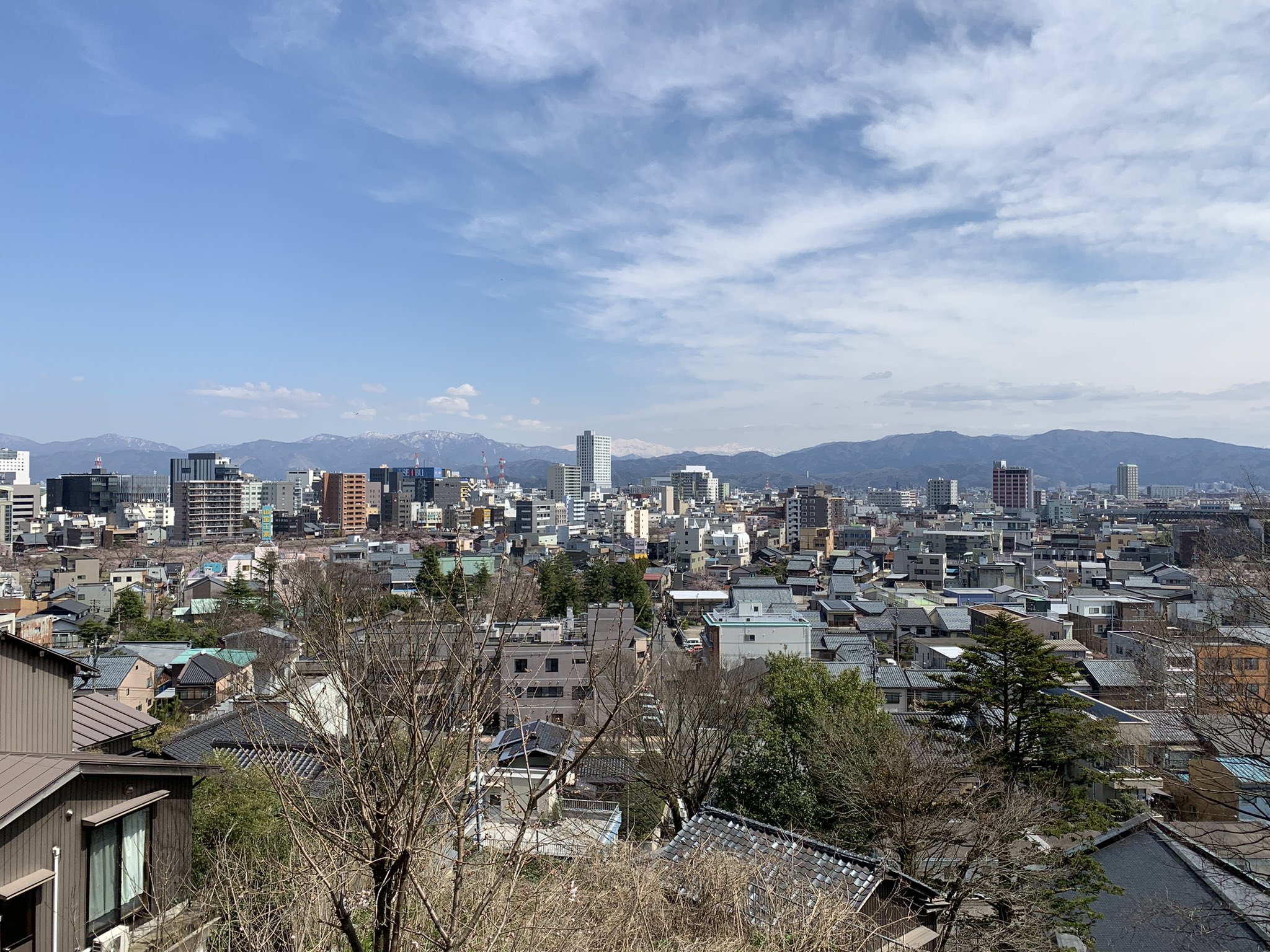
Fukui, Japan
Data updated Sep 29, 2026
📊 Scores
Best fit: FIRE / Geoarbitrage (score: 70)
Manufacturing is the backbone here — textiles, precision machinery, optical equipment, and aircraft components have kept Fukui economically stable for decades. Major employers are industrial firms rather than tech startups or multinationals, which means white-collar expat job opportunities are limited almost entirely to English teaching (ALT positions through JET or dispatch companies) or remote work you bring with you. The local economy is steady and recession-resistant by Japanese standards, but don't arrive expecting a dynamic job market. This is a factory city that works, quietly and efficiently.
A one-bedroom in the city center runs around $650/month — reasonable by Japanese standards, though rural areas are cheaper. Public transport exists but is genuinely limited; Fukui is a car-dependent city by Japanese norms, and owning a vehicle makes daily life significantly easier. Healthcare is high quality and accessible, with national health insurance covering 70% of costs once you're enrolled — enrollment itself involves navigating city hall paperwork almost entirely in Japanese. English proficiency among locals is low even by regional Japanese standards, and bureaucracy is conducted in Japanese with minimal translation support.
Summers are hot and humid, winters bring heavy snowfall — December and January can dump serious accumulation, which surprises expats expecting mild Japan. The food scene leans on exceptional local seafood, particularly crab from the Sea of Japan, and regional soba. Weekends mean hiking in the Echizen mountains, day trips to Eiheiji temple, or the coast. The expat community is small enough that you'll likely know every foreign resident within months. This city suits remote workers or retirees who want authentic, unhurried Japanese provincial life without tourist crowds — and can handle genuine isolation.
🏚️ Cost of Living
💰 Budgets and Costs
Grocery Basket
Eating Out
Utilities & Lifestyle
Housing
A 1BR in the center runs about $249.57/mo. If your income is in another currency, bank FX fees add up. A multi-currency account can cut that cost.
See low-fee transfersWe may earn a commission at no cost to you.
💰 Real Spend Reports
🛡️ Safety & Crime
(Higher is safer)
(Lower is safer)
Fukui is exceptionally safe by global standards, with very low violent crime and petty theft. The city maintains strong community policing and social cohesion typical of regional Japan. Main concerns for expats are minor: occasional bicycle theft, scams targeting elderly residents (less relevant to your demographic), and the need to understand earthquake preparedness given Japan's seismic activity. No neighborhoods warrant avoidance. This is an excellent choice for remote workers or retirees prioritizing personal security and a peaceful environment.
🏥 Healthcare
🌤️ Climate
Best Months
Climate Notes
Humid subtropical climate with heavy winter snowfall due to sea effects.
💻 Digital Nomad
Community Notes
| Name | Price/mo | Notes |
|---|---|---|
| Fukui City Terrace | $100 | Located in the central area of Fukui City, Fukui City Terrace offers a modern and bright coworking space. It's a good option for those seeking a central location with easy access to amenities and transportation. |
| Coworking Space i-BA | $80 | Coworking Space i-BA provides a relaxed and collaborative environment. It's located near Fukui Station, making it convenient for travelers and those who prefer to be close to transportation hubs. |
| Regus Fukui | $250 | Regus offers a professional and well-equipped coworking space in Fukui. It's ideal for those who need a reliable and established brand with various business services. |
Planning to live in Fukui long-term? Japan Digital Nomad Visa lets remote workers live legally with a minimum income of $6,667/month.
View full requirements →Working remotely from Fukui? Nomad health insurance covers you across borders, month to month.
See nomad insuranceWe may earn a commission at no cost to you.
🧳 Expat Life
Expat Life Notes
Fukui is off the beaten path for most expats, offering a very authentic Japanese lifestyle near the coast.
Pros
- ✓ Quiet and safe
- ✓ Close to nature and sea
- ✓ Low rent
Cons
- ✗ Isolated
- ✗ Very limited English
- ✗ Small social circle for foreigners
🛂 Visa Options for Japan
Many long-stay visas require proof of health insurance. Compare international health plans before you apply.
Compare health insuranceWe may earn a commission at no cost to you.
Earning over $6,667/mo? You may qualify for a Japan visa.
Answer 10 questions and get a personalized match in under 2 minutes.
Could living/working in Fukui cut years off your work life?
With a 1-bedroom in the center at $250/mo, your FIRE number here might be much lower than you think.
Moving to Fukui? Estimate what an international move would cost and compare mover quotes.
Estimate my move costShare This Guide
Fukui won't stay this cheap forever.
Cost-of-living and visa updates for Fukui and the rest of Japan. Free with RA Postcards.
By submitting your email address, you will receive a free subscription to RA Postcards and special offers from Rewire Abroad and our affiliates. You can unsubscribe at any time, and we encourage you to read more about our Privacy Policy.