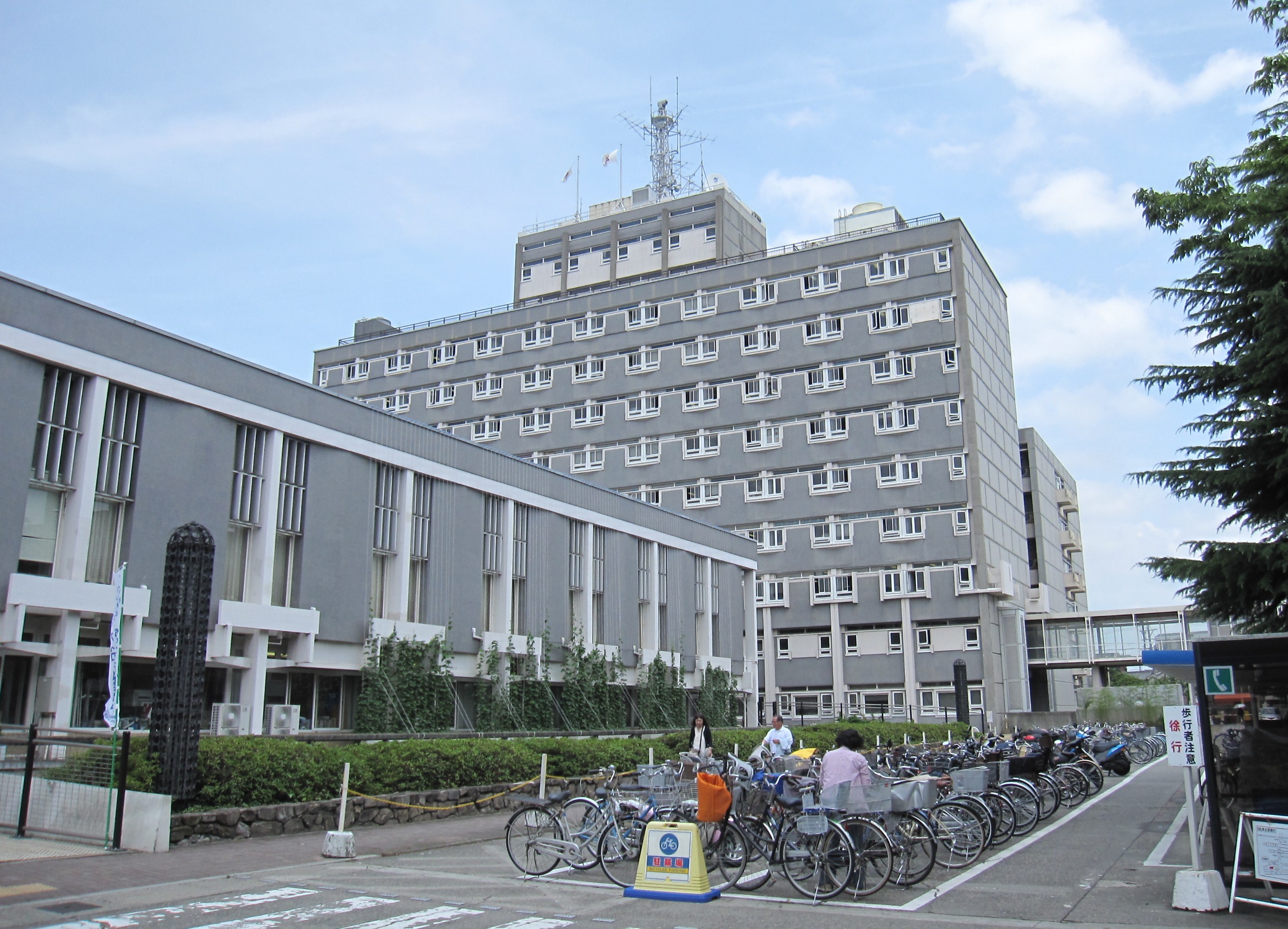
Heavy industry dominates this densely packed manufacturing powerhouse, with companies like Osaka Titanium Technologies anchoring an economy that shipped 1,288 billion yen worth of manufactured goods in 2004. The Hanshin Industrial Region provides steady blue-collar employment, though white-collar opportunities remain limited compared to nearby Osaka. Factory work, logistics, and industrial services employ most residents, while the declining population since the 1970s reflects Japan's broader industrial city struggles. Salaries trend lower than Tokyo or Osaka, but so do living costs.
One-bedroom apartments in the city center run around $650 monthly, reasonable for the Kansai region but tight given the 9,000 people per square kilometer density. JR West and Hanshin lines connect you to Osaka in 20-30 minutes for ¥300-400, making commuting viable. Healthcare follows Japan's excellent national system, though English-speaking doctors are scarce. Bureaucracy moves at typical Japanese pace—thorough but slow. The bigger headache is chronic flooding risk from storm surges, as one-third of the city sits at sea level due to industrial ground subsidence.
Summers hit 26.9°C with heavy September rains (1,475mm annually), while winters drop to 3.7°C—standard humid subtropical fare. Food leans heavily toward working-class Japanese staples rather than international variety, though Osaka's dining scene sits 30 minutes away. The expat community is minimal; you'll be practicing Japanese daily. Weekends mean trips to Osaka or Kyoto for culture and nightlife, as local entertainment skews toward pachinko parlors and neighborhood izakaya. This city suits cost-conscious expats who prioritize savings over social scenes and don't mind industrial grit.
Estimate the cost of moving to Amagasaki, Japan
Get a free moving cost estimate for moving to Amagasaki, Japan. Takes 10 seconds.
How much are you shipping?
When are you moving?
Powered by Sirelo. Free quotes from international movers.
🏚️ Cost of Living
💰 Budgets and Costs
A category breakdown is not available for Amagasaki yet. We publish a breakdown only when every category can be priced from local data, rather than showing figures we cannot stand behind.
Amagasaki is genuinely safe for expats, with low violent crime and petty theft rates typical of Japanese industrial cities. The main concerns are minor: occasional package theft, bicycle theft, and the standard scams found throughout Japan (overly friendly strangers, inflated bar tabs). Avoid isolated areas late at night, though this is more precaution than necessity. For an American accustomed to U.S. crime rates, this city offers exceptional safety—you can walk alone at night without concern. The industrial character means fewer tourist-oriented scams than Osaka nearby, making it straightforward for remote workers or retirees.
Located near Amagasaki Station, BIZcomfort offers a range of coworking options, from open desks to private booths. It's a convenient and affordable option with 24/7 access, making it suitable for various work schedules.
While technically in Osaka, it's easily accessible from Amagasaki and offers a vibrant community and resources for startups and entrepreneurs. It's a good option for those seeking networking opportunities and a more dynamic work environment.
While located in nearby Osaka (Umeda), Regus offers a reliable and professional coworking environment with various amenities and services. It's a good option for those who prefer a more established and corporate setting.
See how Amagasaki's digital nomad life compares with Kofu
🧳 Expat Life
English Proficiency
Limited
Expat Community
Very Few
Top Neighborhoods
Mukonoso, Tsukaguchi
Banks Nearby
394
ATMs Nearby
199
Expat Life Notes
Amagasaki is a gritty, industrial neighbor of Osaka; it is convenient for travel but lacks an expat-oriented environment.
Pros
✓ Central to Osaka and Kobe
✓ Lower rent
✓ Vibrant local food scene
Cons
✗ Industrial pollution
✗ Limited English
✗ No expat infrastructure
🏘️ Neighborhoods in Amagasaki
Areas of Amagasaki that expats often consider.
Conditions can change from one block to the next, and these descriptions are general guides, not safety assessments. Before choosing where to stay or live, check current travel advisories, talk to people who live there, and visit in person if you can.
Tachibana-dori
Lively shopping street, convenient living
Tachibana-dori is a bustling shopping street with a mix of local shops, restaurants, and supermarkets. It's a very convenient area for daily living, with easy access to amenities and public transportation. While not heavily expat-focused, the convenience and affordability make it a practical choice.
Amagasaki Center Pool-mae
Budget-friendly, local, slightly gritty
This area near the Amagasaki Center Pool is known for its more affordable housing options. It's a very local area with fewer English speakers and a more traditional Japanese atmosphere. While budget-friendly, it may require more Japanese language skills to navigate comfortably.
JR Amagasaki Station Area
Transportation hub, convenient, modern
Living near JR Amagasaki Station offers excellent transportation links to Osaka and Kobe. The area has modern apartments, shopping malls, and restaurants. It's a convenient location for those who need to commute or travel frequently, and some English support may be available due to the station's importance.
Mukogawa
Residential, riverside, family-friendly
Mukogawa, located along the Muko River, is a quieter residential area popular with families. It offers a more relaxed atmosphere with parks and green spaces. While not specifically geared towards expats, it provides a peaceful living environment and is well-connected by public transport.
Kanzaki
Industrial, affordable, up-and-coming
Kanzaki has a more industrial feel but offers relatively affordable housing. It's undergoing some redevelopment and may appeal to those seeking a less polished, more authentic Japanese experience. Expect limited English support and a need to adapt to a local environment.
Daimotsu
Historic, traditional, local charm
Daimotsu is known for its historical sites and traditional atmosphere. It offers a glimpse into old Japan with temples and local festivals. While charming, it's not particularly expat-friendly and requires a willingness to immerse oneself in Japanese culture.
Page 1 of 2
Could living/working in Amagasaki cut years off your work life?
With a 1-bedroom in the center at $650/mo, your FIRE number here might be much lower than you think.
Amagasaki has a population of approximately 455,555 people.
A single person can expect to spend around $1,625 per month in Amagasaki, including rent. A 1-bedroom apartment in the city center costs approximately $650/month.
The nearest airport to Amagasaki is UKB, approximately 13.9km away.
Amagasaki is considered relatively safe, with a safety index of 82.0. As with any city abroad, expats should research specific neighborhoods before committing to a location.
Amagasaki has an average internet speed of 90 Mbps. It is considered a well-established digital nomad destination.
One-third of the city sits at sea level due to industrial ground subsidence from groundwater pumping, creating chronic storm surge flooding risks. The city has drainage infrastructure, but typhoon season brings real concerns, especially in low-lying areas.
English services are extremely limited compared to Tokyo or Osaka. Most daily interactions require Japanese, from city hall to healthcare. Banking and major services may have some English support, but expect to rely heavily on translation apps.
At $650/month for city center apartments and 30-minute train rides to Osaka, the math works if you prioritize savings over lifestyle. However, factor in limited local amenities, industrial environment, and flooding risks before committing to the commute.
Expect to pay around ¥60,000-¥90,000 per month for a decent 1-2 bedroom apartment in areas like Wakazono or Tsukaguchi. Prices are lower than Osaka, but newer buildings or those closer to the train station command higher rents. Factor in key money and deposit, which can add several months' rent upfront.
Amagasaki is generally considered safe, with low rates of violent crime. Petty theft, like bicycle theft, can occur, so take precautions. Some areas, particularly those near older industrial zones, might feel a bit rougher around the edges, but overall, it's a safe place to live.
Japan doesn't have a specific retirement visa. Most retirees use a long-term tourist visa, exiting and re-entering every 90 days, which isn't ideal long-term. Exploring options like the Spouse Visa (if married to a Japanese citizen) or investing in a business visa are more sustainable solutions.
Internet speeds in Amagasaki are excellent, with fiber optic readily available. You can expect speeds of 100-300 Mbps, more than sufficient for video conferencing and other remote work tasks. Many cafes also offer free Wi-Fi, though the speed can vary.
While Amagasaki doesn't have a huge number of dedicated coworking spaces, you can find some smaller shared office spaces and business centers. Many digital nomads opt to commute to Osaka, which has a wider selection of coworking options.
Amagasaki has excellent public transport, with JR and Hanshin lines providing easy access to Osaka, Kobe, and other parts of the Kansai region. Buses are also available, though less frequently used by tourists. Consider purchasing a rechargeable IC card like ICOCA or Suica for convenient travel.
Amagasaki has a humid subtropical climate, with hot, humid summers and mild winters. Expect typhoons in late summer and early autumn. Spring and autumn are the most pleasant times to visit, with comfortable temperatures and beautiful foliage.
English proficiency is relatively low in Amagasaki outside of tourist-oriented businesses. Learning basic Japanese is highly recommended for daily life. While you can find some English speakers, especially younger people, relying solely on English will be challenging.
As a US citizen, you're still required to file US taxes even when living abroad. You may be able to exclude a certain amount of foreign earned income (FEIE) and claim foreign tax credits. Consult with a tax professional specializing in expat taxes to ensure compliance and optimize your tax situation.
Groceries can be slightly cheaper than in the US, especially if you shop at local supermarkets and buy seasonal produce. Dining out can range from very affordable (ramen, okonomiyaki) to expensive (high-end sushi). Overall, you can eat well for less than in many major US cities.
Yes, you can use services like Wise (formerly TransferWise) or Remitly to transfer money to and from your US bank account. Major banks like MUFG and SMBC also offer international transfer services, but their fees may be higher. Check ATM fees for international withdrawals as well.
Amagasaki doesn't have a large, visible expat community compared to Osaka or Kobe. However, you can connect with other expats through online forums and social media groups focused on the Kansai region. Joining local language exchange events is also a good way to meet people.
Retiring on $2,500 USD per month is possible in Amagasaki, but requires careful budgeting. Rent will likely be your biggest expense, followed by healthcare and food. It's doable if you embrace a simpler lifestyle and don't require a lot of luxury or frequent travel.
Healthcare in Amagasaki is generally high quality and affordable with Japanese National Health Insurance. Finding English-speaking doctors can be a challenge, but some larger hospitals and clinics in nearby Osaka have English-speaking staff. It's wise to have a Japanese-speaking friend or translator assist with appointments.
For geoarbitrage, consider areas like Tsukaguchi or Mukonoso. These neighborhoods offer a good balance of affordability, convenience, and access to amenities. They're also well-connected to Osaka, allowing you to take advantage of job opportunities or entertainment options there.
Cost-of-living and visa updates for Amagasaki and the rest of Japan. Free with RA Postcards.
By submitting your email address, you will receive a free subscription to RA Postcards and special offers from Rewire Abroad and our affiliates. You can unsubscribe at any time, and we encourage you to read more about our Privacy Policy.