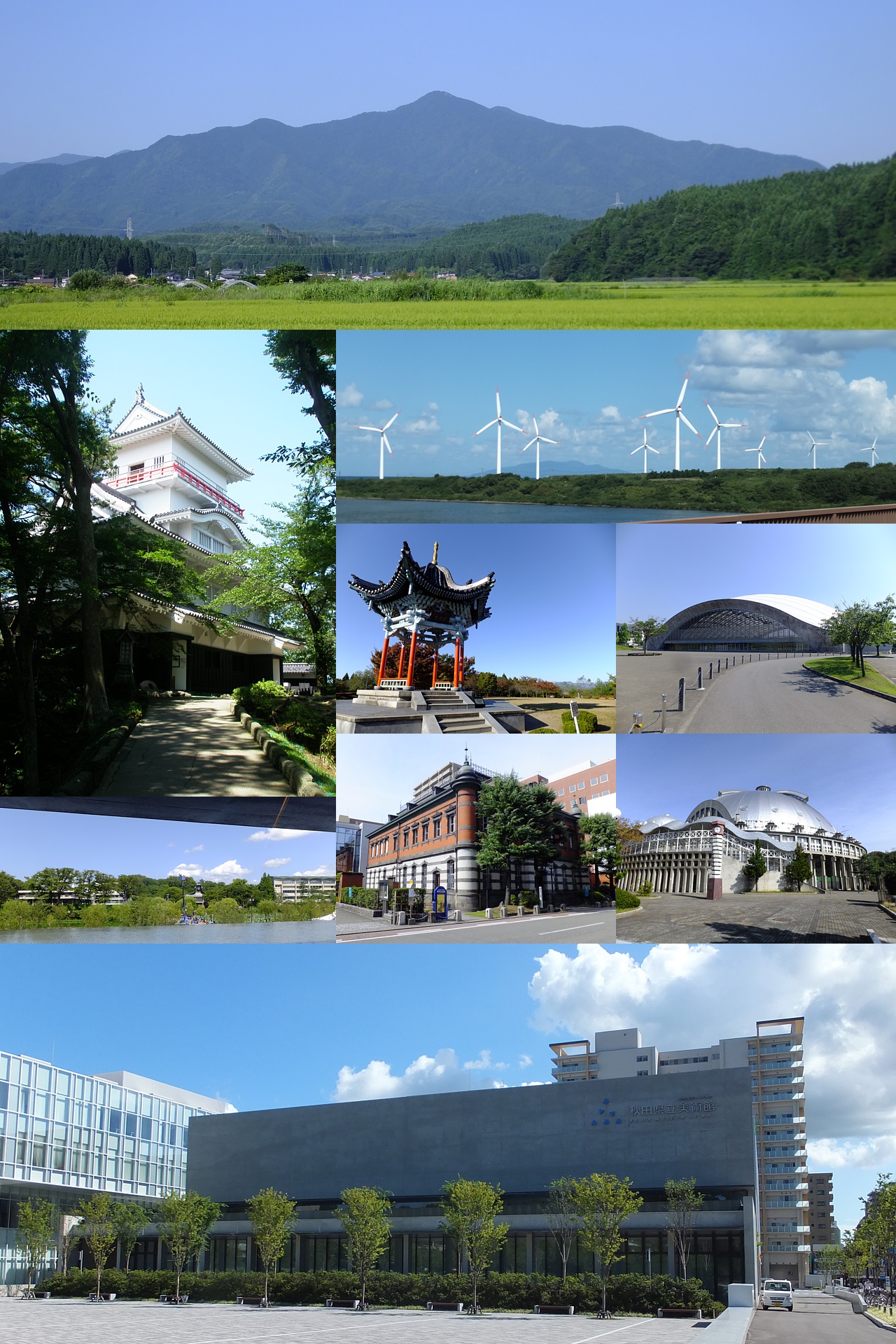
Traditional industries dominate here — agriculture, forestry, fishing, and some mining operations that haven't modernized much since the 1980s. Major employers include local government, agricultural cooperatives, and small manufacturing plants, but job opportunities for foreigners are extremely limited unless you're teaching English or have specialized skills in declining sectors. The economy reflects Japan's rural reality: steady population decline means fewer businesses, less investment, and wages significantly below Tokyo standards.
Rent averages $500 monthly for a city center one-bedroom, about half of what you'd pay in major Japanese cities, though heating costs spike during brutal winters with 3+ meters of snow. The Akita Shinkansen connects to Tokyo in 3.5 hours for ¥17,000, but local transport relies on infrequent buses. Healthcare is solid through Japan's national system, but expect longer waits for specialists. Japanese fluency is essential — English speakers are rare outside tourist areas.
Winters are genuinely harsh with months of heavy snow and temperatures dropping to -10°C, while summers offer hiking in Towada-Hachimantai National Park and soaking in numerous onsen. The expat community is tiny, maybe a few dozen English teachers and researchers scattered across the prefecture. Weekends mean outdoor activities, local festivals like the famous Kanto matsuri, or day trips to Lake Tazawa. This suits outdoorsy types who want authentic rural Japan and don't mind isolation.
Estimate the cost of moving to Akita, Japan
Get a free moving cost estimate for moving to Akita, Japan. Takes 10 seconds.
How much are you shipping?
When are you moving?
Powered by Sirelo. Free quotes from international movers.
🏚️ Cost of Living
💰 Budgets and Costs
A category breakdown is not available for Akita yet. We publish a breakdown only when every category can be priced from local data, rather than showing figures we cannot stand behind.
Akita is exceptionally safe by any standard, with virtually no violent crime affecting expats or residents. Petty theft is rare, and scams are uncommon. The city's aging, tight-knit community and strong police presence create a secure environment. Main considerations: Japan's earthquake risk applies here, and winter weather can be severe. Language barriers may complicate emergency situations, though locals are generally helpful. For an American seeking a genuinely safe, peaceful retirement or remote work base with minimal crime concerns, Akita is an excellent choice—just prepare for isolation and harsh winters.
Akita has a humid continental climate with cold, snowy winters (December–February) and mild summers, requiring adaptation to heavy seasonal snowfall and high humidity year-round.
Commute & Property
Commute Time Index
65
Indices last read Nov 13, 2026.
💻 Digital Nomad
Avg Internet Speed
100 Mbps
Internet (monthly)
$51/mo
Coworking Availability
Moderate
Coworking Spaces Nearby
2
Digital Nomad Score
65/100
Community Notes
Akita combines excellent healthcare and safety with cultural immersion.
While primarily a research center, they offer co-working space and resources for entrepreneurs and remote workers. Located in Araya, it provides a quiet, professional environment with access to technical expertise, making it suitable for focused work.
BIZDOME Akita is a business support center that offers coworking spaces, meeting rooms, and event spaces. Located centrally in Akita City, it's a good option for those looking to network with local entrepreneurs and access business resources.
ALVE is a multi-purpose facility that includes some shared workspace options. It's conveniently located near Akita Station, making it easily accessible. It's a good choice for those who value convenience and a central location.
See how Akita's digital nomad life compares with Mito
🧳 Expat Life
English Proficiency
Limited
Expat Community
Very Few
Top Neighborhoods
Akita City Center
Banks Nearby
89
ATMs Nearby
56
Expat Life Notes
A remote, scenic prefecture in northern Japan. The foreign community is mostly teachers and long-term residents.
Pros
✓ Stunning nature and hot springs
✓ Safe and clean
✓ Very low cost
Cons
✗ Isolated
✗ Severe winters
✗ Almost no English infrastructure
🏘️ Neighborhoods in Akita
Areas of Akita that expats often consider.
Conditions can change from one block to the next, and these descriptions are general guides, not safety assessments. Before choosing where to stay or live, check current travel advisories, talk to people who live there, and visit in person if you can.
Omachi
Historic district, traditional charm
Omachi is Akita's historic merchant district, known for its well-preserved buildings and traditional atmosphere. It's a quieter area, appealing to those seeking an authentic Japanese experience. While not particularly expat-heavy, it offers a glimpse into Akita's past and is relatively walkable, though Japanese language skills are beneficial.
Akita Station Area
Convenient, bustling transportation hub
Centered around Akita Station, this area offers excellent transport links and a wide range of amenities. You'll find shopping malls, restaurants, and hotels catering to both locals and tourists. It's a good option for those who value convenience and accessibility, though it can be noisier than other parts of the city. English signage is more common here.
Kawashiri
Quiet residential, family-friendly
Kawashiri is a more suburban residential area, offering a quieter lifestyle away from the city center. It's popular with families and those seeking a more relaxed pace. While less convenient for public transport, it provides a more authentic Japanese living experience. Expect limited English spoken.
Yabase
Coastal, scenic, relaxed living
Located along the coast, Yabase offers scenic views and a more relaxed atmosphere. It's a good option for those who enjoy outdoor activities and don't mind being a bit further from the city center. Public transport is less frequent, and car ownership is recommended. English is rarely spoken.
Araya
Budget-friendly, local, unassuming
Araya is a more affordable residential area, offering a glimpse into everyday life in Akita. It's less polished than other neighborhoods, but provides a more authentic experience. Public transport is available, but less frequent. Japanese language skills are essential for navigating daily life here.
Tegata Gakuen-machi
University area, youthful, lively
Home to Akita University, Tegata Gakuen-machi has a youthful and lively atmosphere. There are more affordable dining options and a slightly higher chance of encountering English speakers due to the student population. It's a good option for those seeking a more vibrant environment, though it can be noisier during the school year.
Page 1 of 2
Could living/working in Akita cut years off your work life?
With a 1-bedroom in the center at $569/mo, your FIRE number here might be much lower than you think.
In Akita, a one-bedroom runs $569 in the center and $443 outside it and three bedrooms come to $1,139 in the center and $443 outside it, per month.
Average monthly net salary in Akita is $973.
Akita scores 96.18 on the safety index (higher is safer) and a crime index of 3.82 (lower is safer).
Average internet speed in Akita is 100 Mbps. A home connection costs about $51/mo.
In Akita, summer averages 24°C, winter averages 2°C and annual rainfall is 2353 mm.
Very difficult unless you're teaching English or have specialized skills in agriculture/forestry. Most jobs require native-level Japanese and pay significantly less than Tokyo. The declining population means fewer opportunities overall.
Genuinely brutal with 3+ meters of snow, temperatures to -10°C, and heating bills that can double your monthly expenses. Snow removal is constant from December through March, and some rural areas become nearly inaccessible.
Extremely small — maybe 50-100 foreigners across the entire prefecture, mostly English teachers and university researchers. Don't expect regular meetups or international social scenes like in major Japanese cities.
Expect to pay around ¥50,000-¥80,000 per month for a decent one-bedroom apartment in areas like Akita Station or closer to the city center. You can find cheaper options further out, but factor in transportation costs.
Akita is generally very safe, with low crime rates. Petty theft is rare, and violent crime is even rarer. You can feel comfortable walking around most areas at night.
While not widespread, some doctors in larger hospitals like Akita University Hospital have some English proficiency. It's advisable to have a Japanese-speaking friend or translator assist you during appointments.
Japan doesn't have a specific retirement visa. Americans typically explore options like the Tourist Visa (allowing stays up to 90 days), the Spouse Visa (if married to a Japanese citizen), or the Business Manager Visa (if starting a business).
Akita has reliable and fast internet, especially in urban areas. You can expect speeds suitable for video conferencing and other remote work tasks. Mobile data is also readily available.
Coworking spaces are limited in Akita compared to larger cities. However, some business centers and shared office spaces offer similar services. Check online resources for the most up-to-date listings.
Eating out in Akita is relatively affordable. A casual meal at a local restaurant can cost around ¥800-¥1500, while a more upscale dining experience might be ¥3000 or more.
Akita has a good public transportation system, including buses and trains. The Akita Shinkansen (bullet train) provides easy access to other parts of Japan. Owning a car can be useful for exploring the surrounding countryside.
You can use international money transfer services like Wise (formerly TransferWise) or Remitly for transferring funds. ATMs are widely available, but check for international transaction fees.
Be sure to try *kiritanpo nabe* (mashed rice hot pot), *hatahata* (sailfin sandfish), and *inaniwa udon* (thin udon noodles). Akita is also known for its delicious sake.
English proficiency is not very high in Akita, especially outside of tourist areas. Learning some basic Japanese phrases will greatly enhance your daily life and interactions.
As a US citizen, you're still required to file US taxes even when living abroad. You may be able to exclude a portion of your foreign earned income using the Foreign Earned Income Exclusion (FEIE) or claim the Foreign Tax Credit. Consult a tax professional specializing in expat taxes.
Yes, $2,500 USD (approximately ¥375,000) per month can provide a comfortable lifestyle in Akita, especially if you're mindful of your spending. This budget should cover rent, utilities, groceries, transportation, and some leisure activities.
Cost-of-living and visa updates for Akita and the rest of Japan. Free with RA Postcards.
By submitting your email address, you will receive a free subscription to RA Postcards and special offers from Rewire Abroad and our affiliates. You can unsubscribe at any time, and we encourage you to read more about our Privacy Policy.